
Last updated November 15, 2026
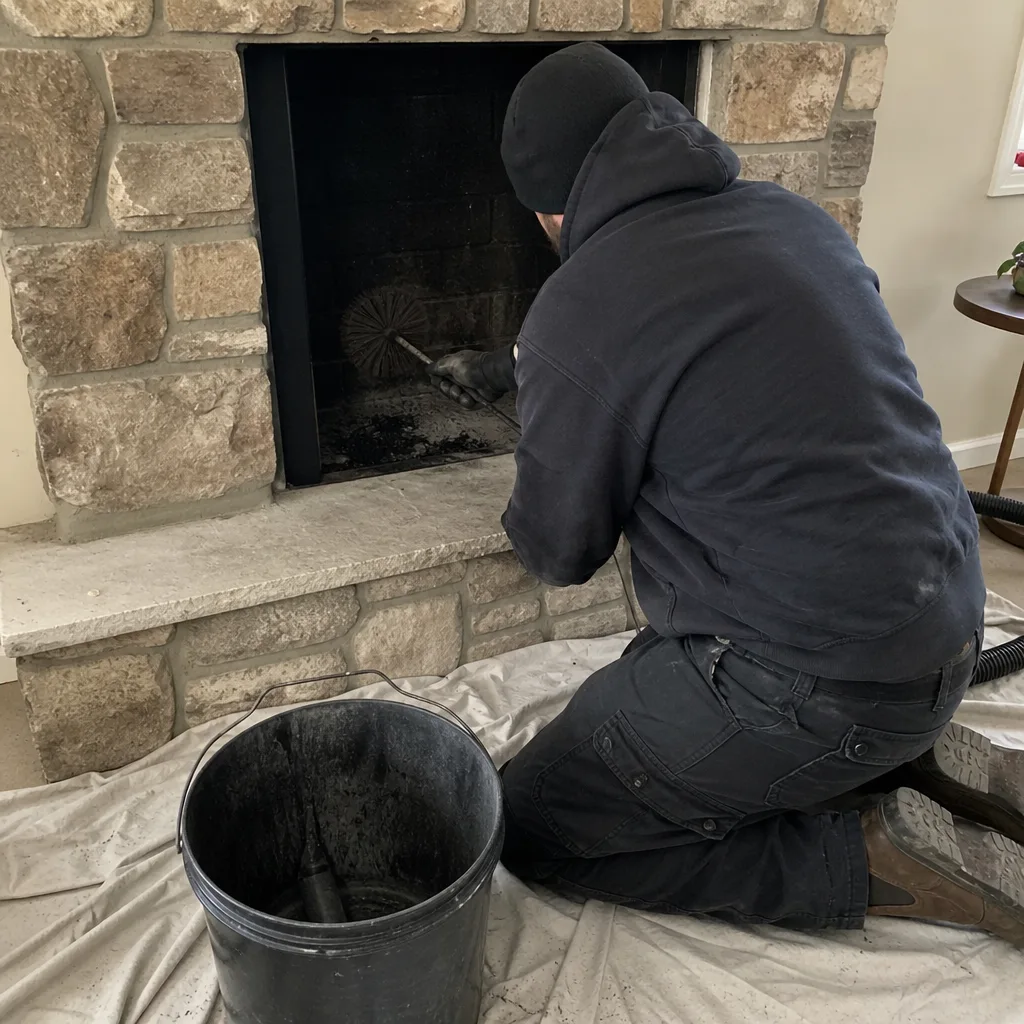
 Sweep & inspection
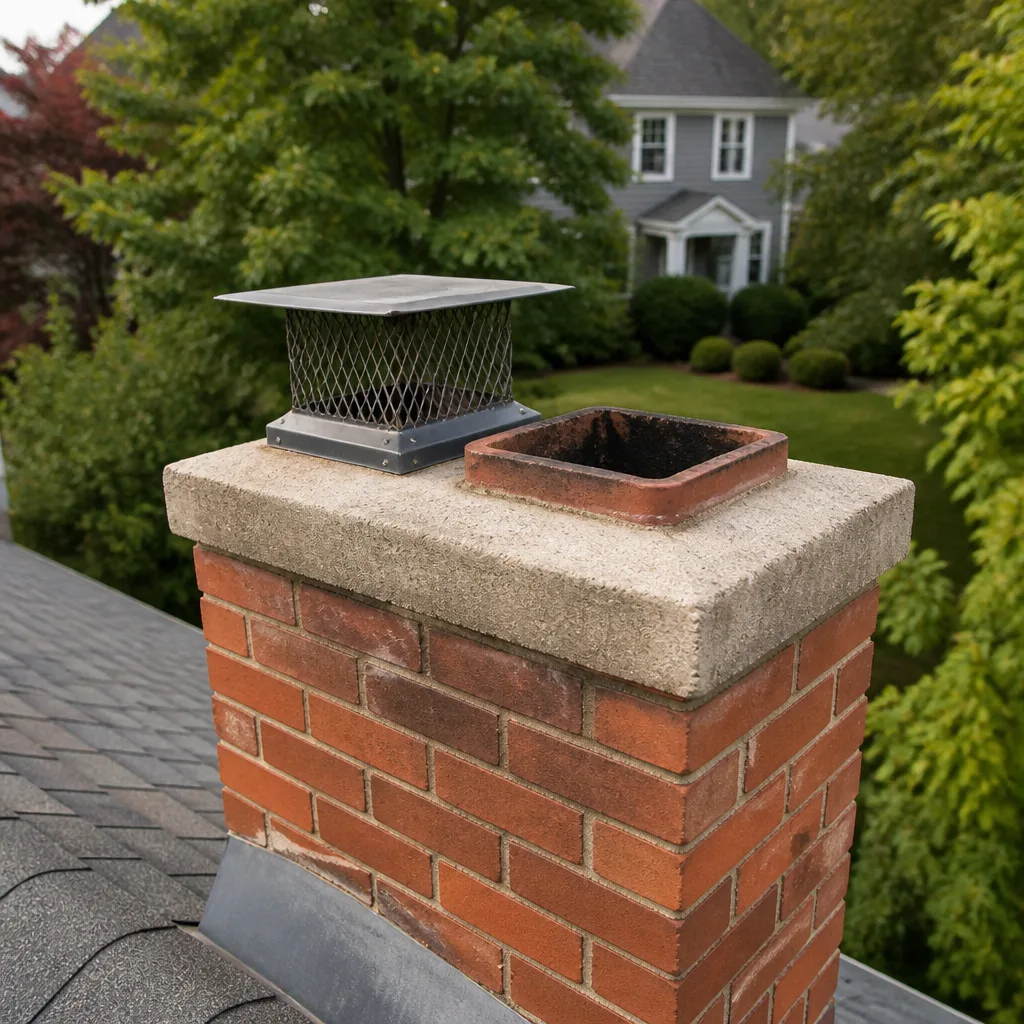
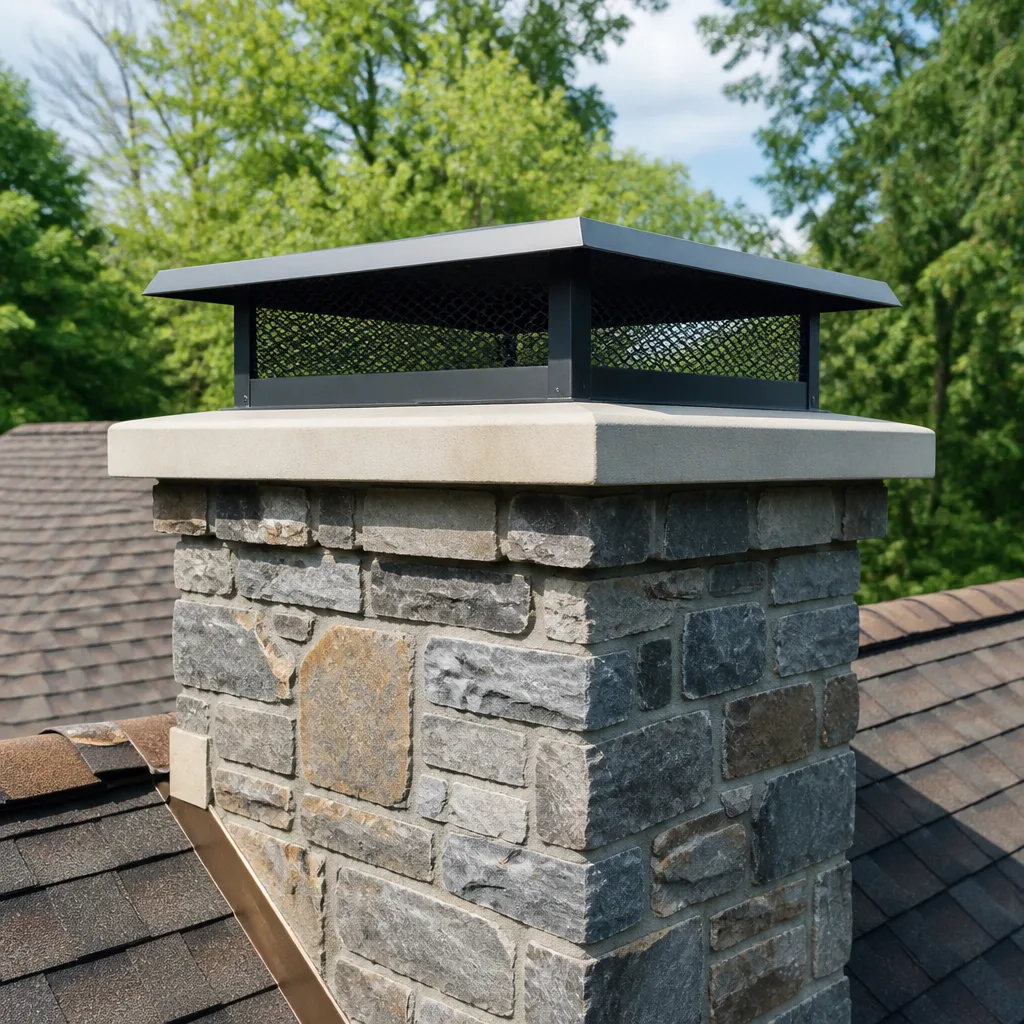 Caps & crowns
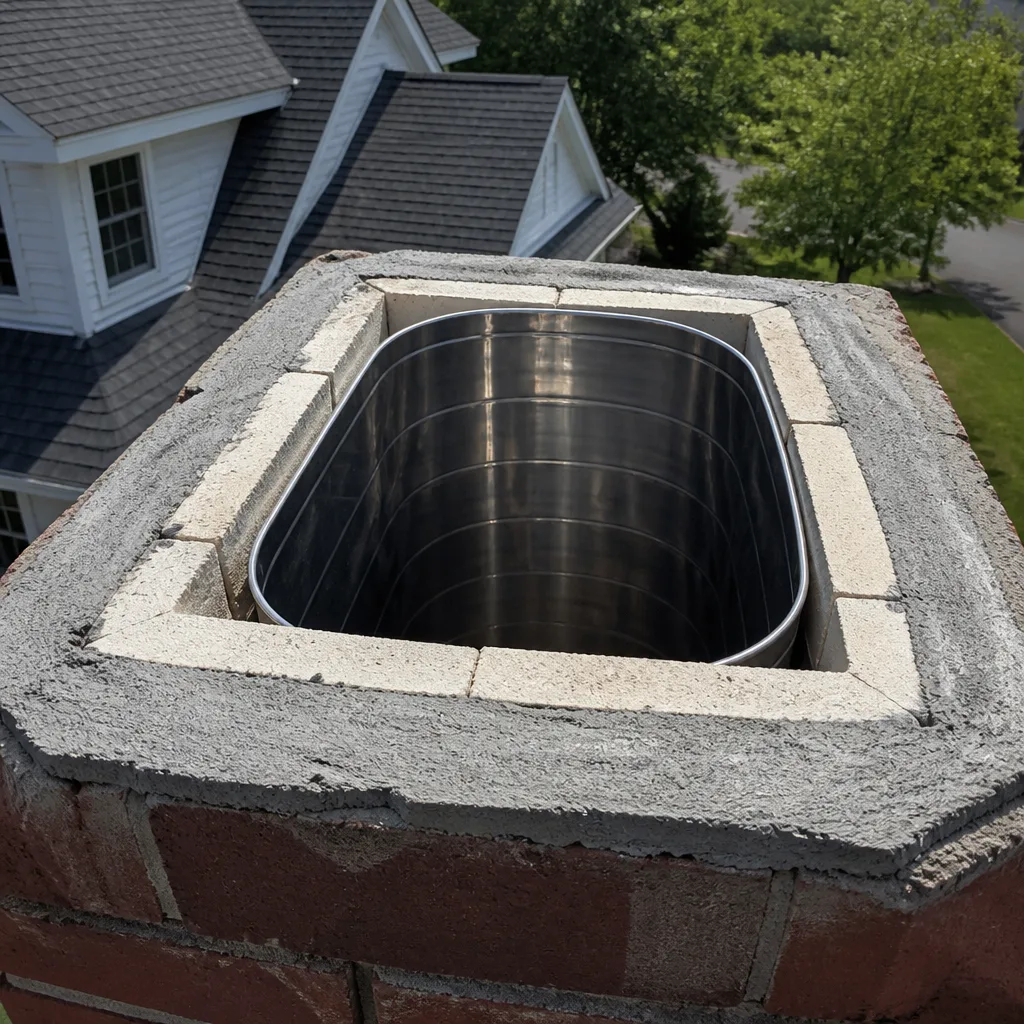 Flue relining
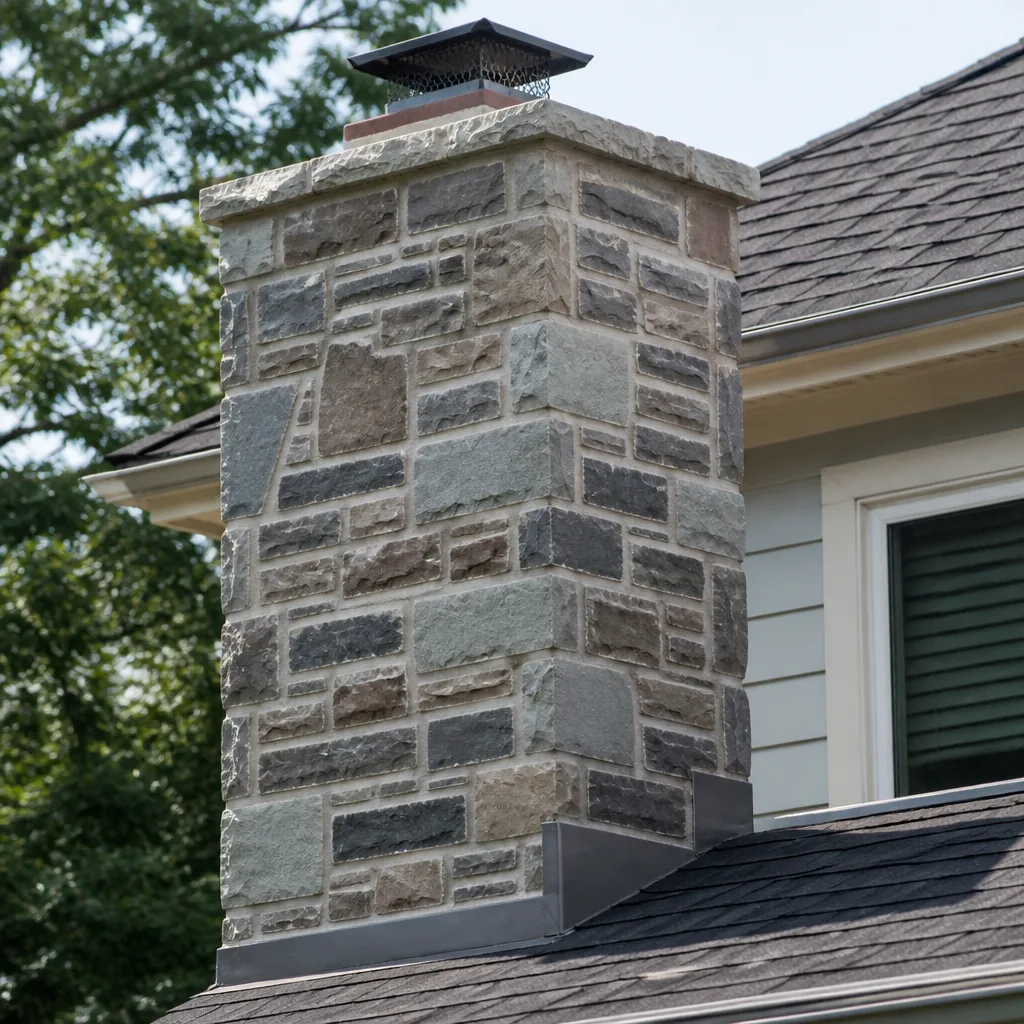 Masonry repair
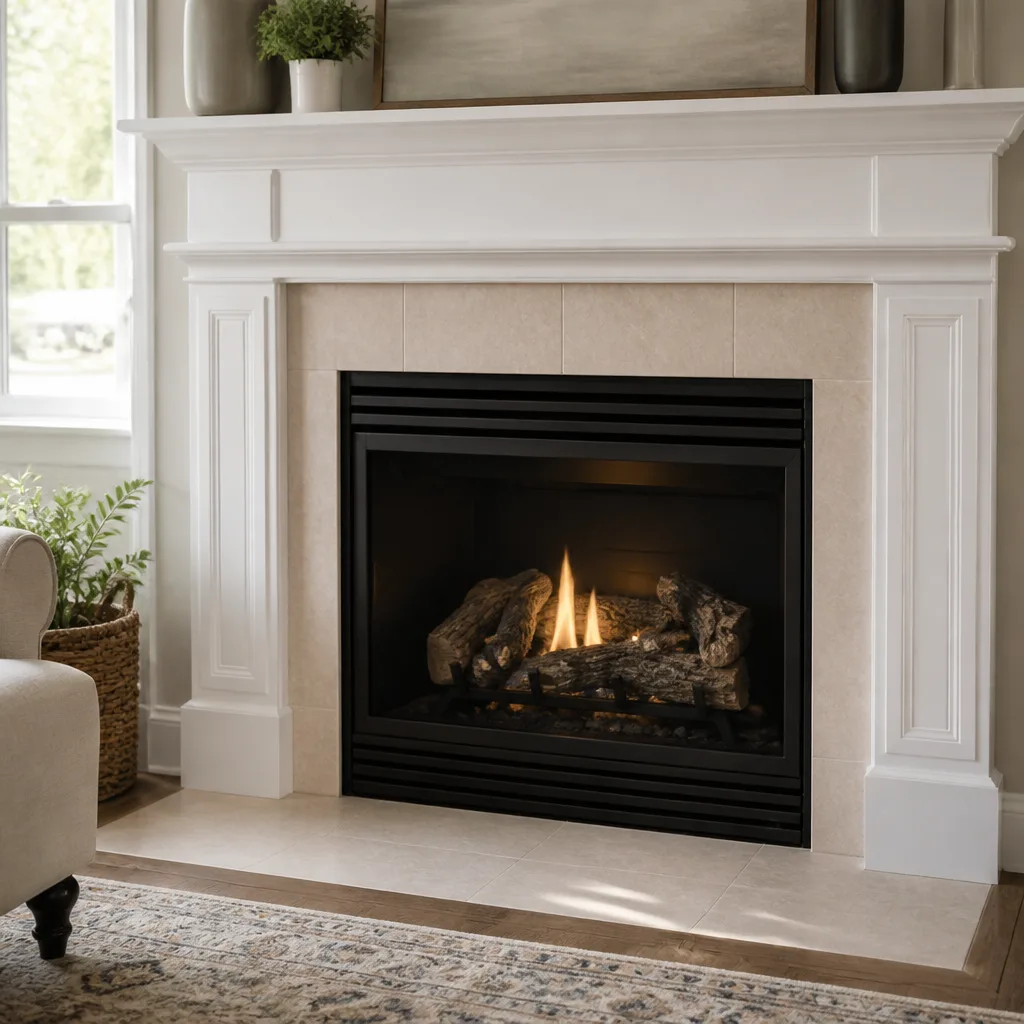 Gas fireplace service
Level 1 sweep and inspection to the NFPA 211 annual standard - flue, crown, cap, and flashing checked and photographed
Chimney sweep logs do not sweep chimneys. They loosen some creosote - which then falls where a brush and vacuum still have to collect it.
DIY vs Professional Chimney Cleaning: The Louisville Homeowner’s Decision Guide
You can buy a Rutland chimney brush kit for about $45 and physically knock loose creosote off the inside of your flue. That part is real, and we won’t pretend otherwise. But here’s the part most guides skip: the brushing was never the hard part, and it was never the reason the appointment exists. What you’re paying a professional for is the trained eye that looks at your chimney system afterward and tells you what it means – the difference between stage-one soot that brushes away and stage-three glazed creosote that has bonded to the liner, between a hairline crack and a liner that’s ready to fail, between a chimney that’s safe to burn in this winter and one that isn’t. In Louisville, with its older housing stock and masonry that’s aged alongside decades of fireplace use, that distinction is the whole ballgame. This guide walks through what DIY cleaning can honestly accomplish, where it stops cold, and how to think about the decision.
We’ll cover the equipment gap between a consumer brush set and a professional rotary system, the insurance implications of self-performed work, and the one narrow scenario where a between-appointment DIY cleaning actually makes sense. No scare tactics. Just a realistic look at what you’re buying and what you’re not.
Styles & brands we work with
- Sweep & inspection
- Caps & crowns
- Flue relining
- Masonry repair
- Gas fireplace service
Quick Answer
DIY chimney cleaning can remove light stage-one creosote from the accessible flue and clear debris from the firebox, but it cannot identify glazed creosote, assess liner integrity, or produce the documented inspection report your insurer or home inspector expects. For most Louisville homeowners, the professional appointment is worth scheduling because the inspection – not the brushing – is the real service. DIY between annual professional cleanings is fine only for a homeowner who has had a professional inspection within the last 12 months, burns seasoned hardwood exclusively, and is not using DIY to skip the pros.
Table of Contents
- What DIY Chimney Cleaning Can Legitimately Accomplish
- What DIY Chimney Cleaning Cannot Accomplish
- The Equipment Gap: Consumer Brush vs. Professional Rotary System
- The Three Stages of Creosote and Why They Matter
- Inspection Levels Explained
- Kentucky Insurance Implications of DIY Chimney Work
- The One Scenario Where DIY Cleaning Is Reasonable
- Common Mistakes to Avoid
- When to Call a Professional
- Frequently Asked Questions
- The Bottom Line
What DIY Chimney Cleaning Can Legitimately Accomplish
A homeowner with the right brush, the right rod extensions, and a healthy respect for the roof can accomplish three things without professional help. First, they can remove stage-one creosote – the light, flaky, soot-like deposit that builds up on accessible flue walls after normal burning. Second, from the roofline, they can visually inspect the chimney cap for obvious damage: a missing spark screen, a rusted top, a bird’s nest packed into the flue opening. Third, they can reach into the firebox and clear lightweight debris – ash piles, fallen mortar chunks, bits of screen – from the smoke shelf and damper area.
That’s the honest list. Notice what’s not on it: a clean inspection report, a liner evaluation, a creosote-stage assessment, or really any view of the upper flue once you’re standing at the bottom of it with a flashlight.
If you’re burning seasoned hardwood and keeping on top of the firebox, a DIY cleaning between annual appointments will keep the surface manageable. It’s the equivalent of wiping down a kitchen counter – a small, useful habit that doesn’t replace a real cleaning. What it doesn’t do is remove the deeper deposits, and crucially, it doesn’t tell you whether those deposits are the harmless kind or the dangerous kind. For Louisville homeowners burning through winter in historic buildings with original masonry, that distinction is the difference between burning safely and burning blind.
What DIY Chimney Cleaning Cannot Accomplish
This is where the DIY debate usually goes wrong. Most guides frame it as a cleaning question, but the real gap is in diagnosis. Here are the things a homeowner with a brush cannot reliably do:
- Identify stage-two or stage-three creosote. Glazed creosote has a different texture, a different appearance, and a different removal method than stage-one. A homeowner without training often reads glazed creosote as “shiny soot” and brushes it – and the brush does nothing because glazed creosote requires a chemical removal process or a rotary system with the right head.
- Assess liner integrity without a camera. A visual look down the flue sees the top few feet. A camera inspection sees the whole run, matches cracks to their location, identifies separation at joints, and photographs the flue so you can see what the technician sees. You cannot do this from the bottom with a flashlight.
- Produce a documented inspection report. A Level 1 or Level 2 inspection (the industry-standard levels chimney professionals work from) is a written document. It includes findings, photographs, and recommended action. For an insurance claim, a real estate transaction, or a home inspector calling out a deficiency, that document is the deliverable – not the clean chimney.
- Diagnose the crown, cap, and flashing as a system. A chimney cap isn’t just a hat; a failed crown and bad flashing can let water into the masonry and deteriorate the flue from the inside. Only a trained eye reads those together.
- Identify problems that require repair. Seeing a crack is not the same as knowing whether the liner needs resurfacing with a product like HeatShield, full relining with a DuraFlex stainless system, or simply monitoring it and rechecking at the next appointment.
We’ve seen plenty of DIY-cleaned Louisville chimneys arrive at a professional appointment having been brushed thoroughly – but the technician still found a cracked liner or a blocked cap the homeowner was never going to catch. That’s the shape of it. The brushing happens either way. The finding is what changes the outcome.
The Equipment Gap: Consumer Brush vs. Professional Rotary System
The consumer chimney brush most homeowners can buy is a wire or poly brush on a set of extendable fiberglass rods. It’s a decent tool. It removes stage-one creosote well and does a reasonable job on the softer stage-two deposits when worked thoroughly.
What it doesn’t do is the harder work. A professional rotary system – the kind of setup built around Gardus SootEater components and similar professional-grade heads – applies the cleaning action through a spinning head on a flexible rod, driven by a drill. That changes three things:
- Coverage on irregular flue surfaces. A spinning head conforms to slight deviations and mortar joints in a way a straight brush doesn’t. Older Louisville masonry chimneys are often irregular and benefit from the rotary approach.
- Removal of harder deposits. A rotary head reaches stage-two creosote that a hand-worked brush will skip. Stage-three glazed creosote still needs chemical treatment or a specialized head, but the rotary system is the correct starting point where the consumer brush is not.
- Cleanliness of the surrounding space. Professional rotary cleaning is paired with a HEPA vacuum at the firebox and a drop cloth setup that contains the dust. A homeowner brushing a flue fills the room with soot – which is why so many DIY attempts end with a call to a professional after the fact.
The gaps don’t stop at the brush. The professional toolkit includes a camera system for flue inspection, moisture meters for masonry, chemical removal products for glazed creosote, and access to liner and cap materials from professional brands – DuraFlex for relining, HeatShield for resurfacing, Gelco and Olympia Chimney for hardware. That’s a different category of tool than what’s on a hardware store shelf, and it’s what makes a full-scope visit different from a brush-and-go.
The Three Stages of Creosote and Why They Matter
Creosote forms in three distinct stages, and the stage determines what removal method will actually work. This is one of the clearest arguments for professional assessment, because the three stages can look similar to an untrained eye from a distance but behave very differently.
- Stage one: A flaky, soot-like deposit. Brushes away easily. The brush a homeowner owns is designed for this stage and does the job.
- Stage two: A harder, crustier deposit that has started to bond. A hand-powered brush can remove some of it, but the surface is uneven, and a rotary system does a cleaner job. Partial removal leaves the top layer of stage-two creosote behind, which then cures toward stage three.
- Stage three: Glazed creosote. Hard, shiny, and bonded to the liner surface. Brushing alone does not remove it. This stage requires chemical treatment followed by mechanical removal, and if the liner can’t be cleared, it may need to be relined.
Stage three is the reason chimney fires happen. It’s fuel sitting on the inside of the flue, and a hot ember near it can ignite it. A homeowner who brushes their flue and sees “shiny black stuff” that doesn’t come off is looking at stage three – and without the training to recognize it as such, the usual reaction is to brush harder, which does nothing, and to go back to burning, which is where the risk compounds.
For Louisville homeowners in older homes – and there are many – stage-three creosote is the single most common finding we expect on a neglected flue. When a technician finds it, the conversation shifts from a sweep to a resurfacing job, often with HeatShield, because cleaning alone won’t restore the flue to a safe surface. Doing a DIY clean on a stage-three chimney doesn’t just miss the repair; it gives the homeowner a false sense of security that the safety problem has been addressed.
Inspection Levels Explained
Professional chimney work is organized around three inspection levels. Understanding them is the second half of the DIY conversation, because the DIY answer to “Can I do this myself?” is really “You can do the brushing, but you cannot do the inspection that follows it.”
- Level 1 inspection: A visual check of the readily accessible portions of the chimney – firebox, damper, smoke chamber, and the visible flue. Performed as part of an annual cleaning. Sufficient when conditions haven’t changed and no problems are suspected. This is the level most annual appointments resolve to.
- Level 2 inspection: Required whenever conditions change – purchasing a home, changing fuel type, an event like a chimney fire, or a home inspector flagging a deficiency. Includes access to the attic, crawlspace, and other accessible points, and typically uses a camera to view the full flue. Produces the documented report insurers and inspectors expect.
- Level 3 inspection: Reserved for when a serious hazard is suspected and portions of the chimney or building construction need to be accessed. Rare, and usually preceded by a Level 2 finding.
The gap between what a homeowner can do with a brush and what a Level 1 or Level 2 inspection produces is not closeable with consumer equipment. The inspection is what tells you whether the chimney system is safe – flue, liner, crown, cap, firebox as a whole. It’s also the document that ends up in your file when you sell a Louisville home, when a home inspector flags the chimney, or when you’re filing a claim. No brush kit does that.
Kentucky Insurance Implications of DIY Chimney Work
Here’s the part most DIY guides skip entirely. Insurance carriers treat maintenance and repair differently, and they treat them differently again when the maintenance is performed by the homeowner. A homeowner brushing their own flue between professional inspections is doing routine maintenance. A homeowner installing a liner, patching a crown, or repairing the firebox themselves is doing repair work – and if that work contributes to a fire loss, the carrier has questions.
The distinction is important when a claim is filed after a chimney fire. Insurers look for evidence of regular maintenance and professional inspection. A documented record of annual cleanings and inspection reports supports the claim. A record of unpermitted, unverified repair work does the opposite. In Kentucky, most chimney repairs – relining, crown repair, masonry work – are the kind of work that requires a permit or at minimum documented professional execution. We’re not going to quote code sections we can’t verify, but the pattern is consistent: ask your city’s building department whether a permit is required before assuming it isn’t.
The practical takeaway is this. DIY cleaning doesn’t hurt your insurance standing. DIY repair might. And a professional cleaning-and-inspection visit produces a documented record that closes the loop. For Louisville homeowners whose carrier or inspector has already flagged something, the documented professional report isn’t optional – it’s what the file is built around.
The One Scenario Where DIY Cleaning Is Reasonable
There is a legitimate DIY scenario, and it’s narrower than most people expect. Here it is in full:
- You had a chimney sweep and inspection by a professional within the last 12 months.
- The inspector found no liner issues, no glazed creosote, and no repair needs at that appointment.
- You burn seasoned hardwood exclusively – not green wood, not construction scraps, not trash.
- You’re cleaning in between annual professional appointments, not replacing one.
If all four are true, a lightweight between-appointment brush-down is a reasonable habit. It keeps the firebox tidy and prevents a heavy buildup from forming between cleanings. It doesn’t replace the annual appointment, and it doesn’t produce documentation – but it also doesn’t create a false sense of safety, because you already have a fresh professional assessment in hand.
If any of those four is not true, the DIY cleaning is doing less than you think. The most common failure case is the homeowner whose last inspection was years ago, who bought a brush to address a problem they should have had someone look at. If that’s your situation, the brush is not the answer. The visit is.
Common Mistakes to Avoid
- Brushing over glazed creosote instead of removing it. Glazed creosote doesn’t come off with a brush. Brushing it and calling it handled leaves the highest-risk deposit on the liner and the risk unchanged.
- Skipping the roof-level visual. Many homeowners clean from the firebox only, never going up top. The cap, crown, and flashing are the water-management layer of the chimney, and water is the slowest, most damaging problem a Louisville masonry chimney faces. If you can’t see them, you can’t report on them.
- Using a brush that’s too small or too large for the flue. A brush should fit snugly; an undersized brush skips the walls, an oversized one can damage the liner. Measure before buying.
- Cleaning in the house without containment. A homeowner brushing a flue pushes soot into the living space. A professional setup contains it with a vacuum at the firebox and drop cloths. The soot is the least of the reasons to call, but it’s the reason most DIY attempts end early.
- Burning unseasoned wood in between cleanings. Seasoned hardwood burns cleaner. Green or unseasoned wood deposits faster and pushes you toward stage-two and stage-three creosote sooner. If you’re going to rely on DIY between professional visits, this is the piece you have to control.
- Skipping the dryer vent because you handled the chimney. A chimney brush does nothing for the dryer vent cleaning problem, and dryer vent lint is one of the leading household fire causes. The two systems are separate.
- Treating a home inspector’s finding as a DIY project. When a home inspector flags the chimney, the deliverable the buyer, seller, or carrier wants is a professional report – not a homeowner’s note that the flue looked fine.
When to Call a Professional
Call a professional if any of these are true for your Louisville home: you’ve never had the chimney inspected, your last inspection was more than a year ago, you smell a strong smoky odor in warm weather, your fire doesn’t draw well, you see shiny black deposits inside the flue, your cap is damaged or missing, you’ve had a chimney fire (even a small one you put out yourself), a home inspector or insurance carrier has flagged the chimney, or you’re buying a home and need the Level 2 inspection most transactions call for. Add to that list a dryer vent that hasn’t been cleaned in more than a year, and you’ve got the shape of the case for a professional visit.
Louisville Chimney Cleaning offers free estimates in Louisville – call (844) 560-6386. We answer 24/7. Fast dispatch from 7am to 7pm, Sunday through Friday. Our technicians have up to 13 years of experience, and because we handle sweep, repair, and dryer vent work in a single visit, a finding doesn’t turn into a second appointment with a second contractor.
Frequently Asked Questions
You can remove light stage-one creosote and clear debris from the firebox with a consumer brush kit, but you cannot perform the inspection that goes with it. For a Louisville homeowner with a fresh professional inspection within the last 12 months and a seasoned-wood-only burning habit, a between-appointment brush-down is reasonable. For anyone else, the brush misses the part of the visit that matters. Call (844) 560-6386 for a free estimate – we’ll tell you what a professional visit would actually cover.
Once a year for most households with an active fireplace or wood stove, and more often if you burn frequently or burn unseasoned wood. The annual appointment matters because it produces both a cleaning and a documented inspection. That combination is what Louisville insurance carriers and home inspectors look for. Call (844) 560-6386 to schedule the annual visit – estimates are free.
Creosote builds up on the flue lining, and over time it moves from stage one toward stage two and eventually stage three – glazed creosote that is fuel sitting on the liner. A stray ember near stage-three creosote can ignite a chimney fire. We can’t tell you how much buildup your chimney has without seeing it. Call (844) 560-6386 for a free estimate – a camera inspection with photo documentation is part of the visit.
In most cases, yes. A documented inspection report is what a carrier will ask for when a chimney issue is involved in a claim. DIY brushing doesn’t produce that document. If your insurer has flagged the chimney, the professional report is the deliverable they’re looking for. Call (844) 560-6386 to schedule the inspection – we’ll walk you through what a Level 1 and Level 2 report include.
A Level 1 inspection is a visual check of the readily accessible portions of the chimney and is typically done as part of an annual cleaning. A Level 2 inspection is called for when conditions change – buying or selling a home, changing fuel type, a chimney fire, or a home inspector flagging an issue – and it includes a camera view of the full flue and a written report. Most Louisville home sales call for a Level 2. Call (844) 560-6386 for a free estimate on either.
The brushing itself is manageable for many homeowners, but the safety question really turns on whether the flue behind the brushing is safe to burn in. A homeowner who brushes a stage-three flue and thinks the job is done has the most dangerous possible arrangement: a hazard on the liner and confidence that it’s been handled. The safe path is a professional inspection that closes that loop. Call (844) 560-6386 for a free estimate on a professional visit.
The Bottom Line
The DIY chimney cleaning debate is mostly an argument about the wrong thing. The brushing is the least important part of the appointment; the inspection is the reason the appointment exists. A homeowner with a consumer brush can keep stage-one creosote manageable between visits, but a brush cannot read glazed creosote, cannot see the full flue, and cannot produce the documented report that Kentucky insurers and home inspectors want. For Louisville homeowners, the sensible arrangement is a professional annual visit with a documented inspection, DIY brushing between appointments only if the last visit was recent and seasoned hardwood is the only fuel in the house. Everything else is a technician’s job, and in our experience, that’s how the safer outcomes actually get built.
If you’re due for a sweep or inspection, or a home inspector has flagged the chimney system, our team handles the sweep, the inspection, and any repair the findings call for in one appointment. We work with professional-grade materials from DuraFlex for relining, HeatShield for resurfacing, and Gelco and Olympia Chimney for caps and hardware – so a cleaning that turns up a problem doesn’t become a handoff to a second company. Call (844) 560-6386 for a free estimate. We answer 24/7. Fast dispatch from 7am to 7pm, Sunday through Friday. If your chimney is due, get the Louisville chimney cleaning on the calendar and let the inspection do its work.
Written by the team at Louisville Chimney Cleaning.
See the difference
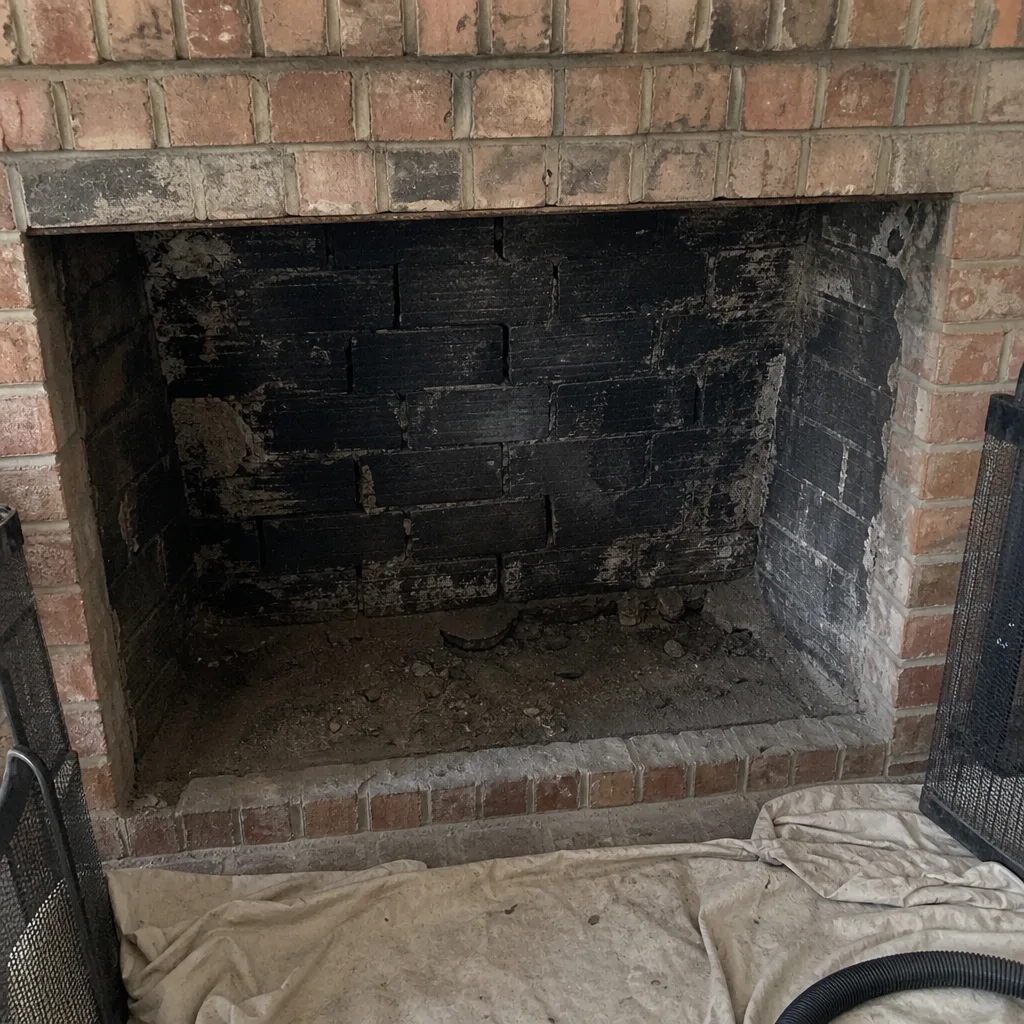 Before
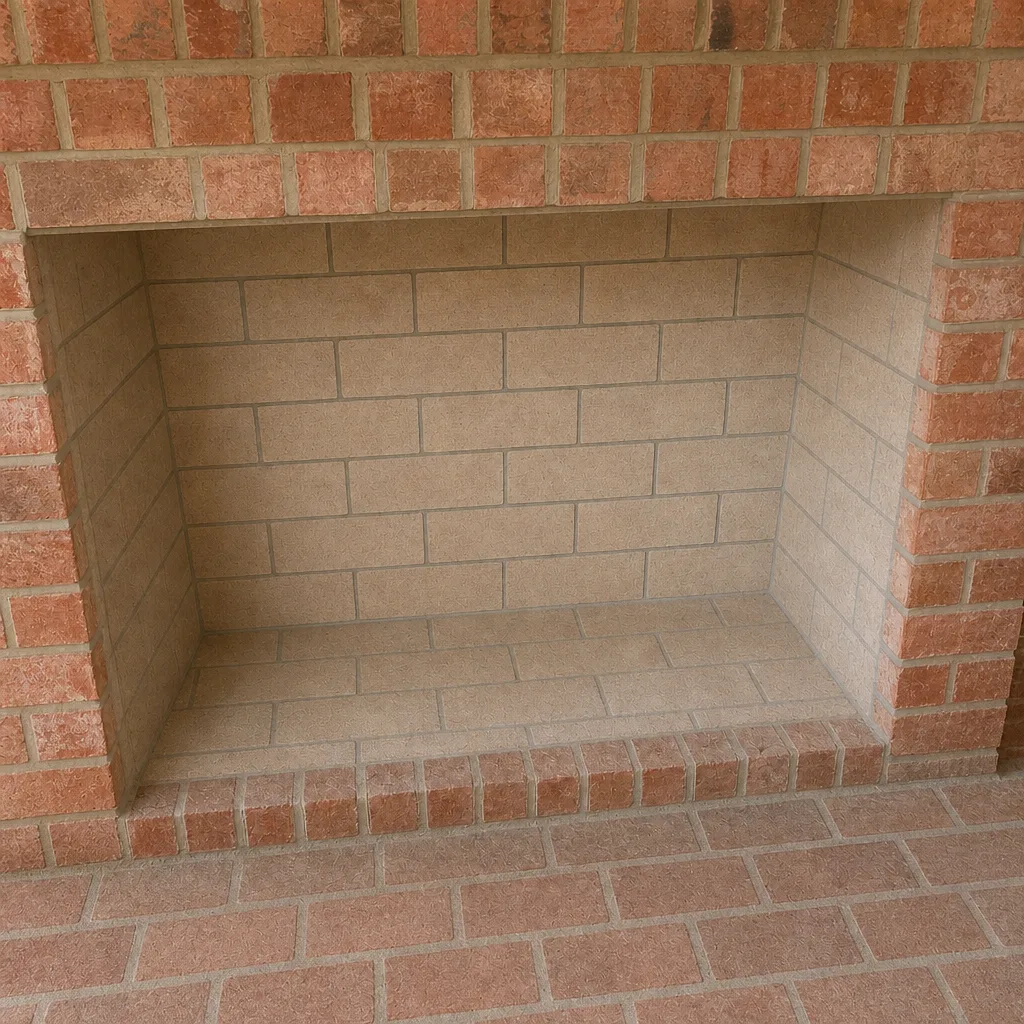 After
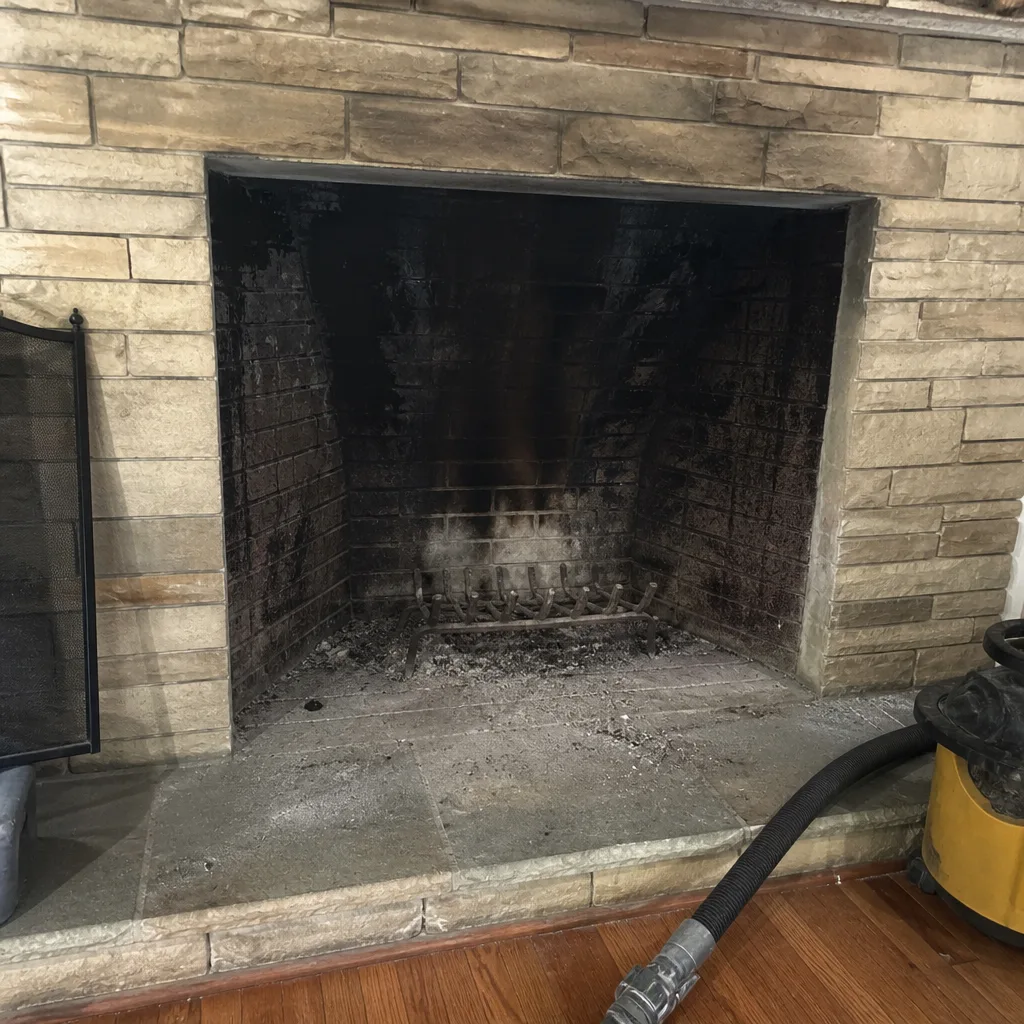 Before
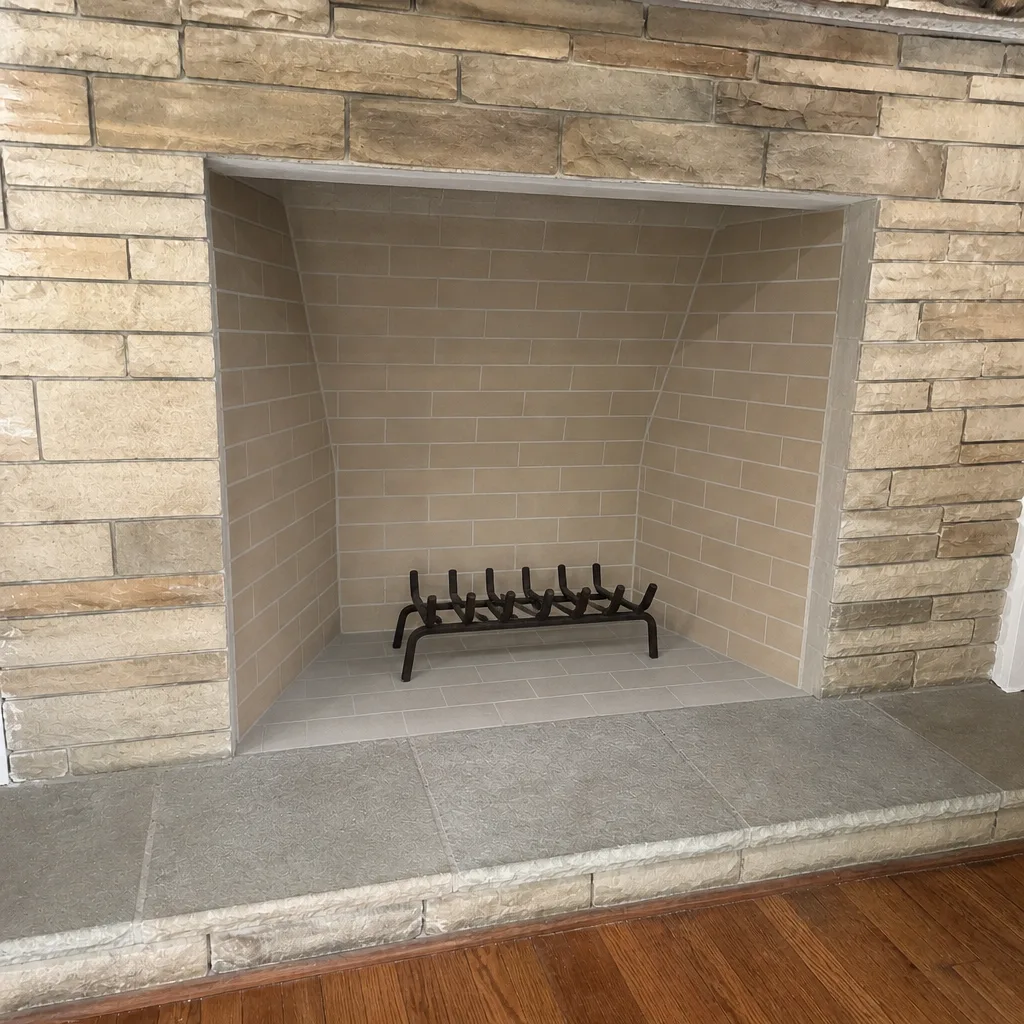 After
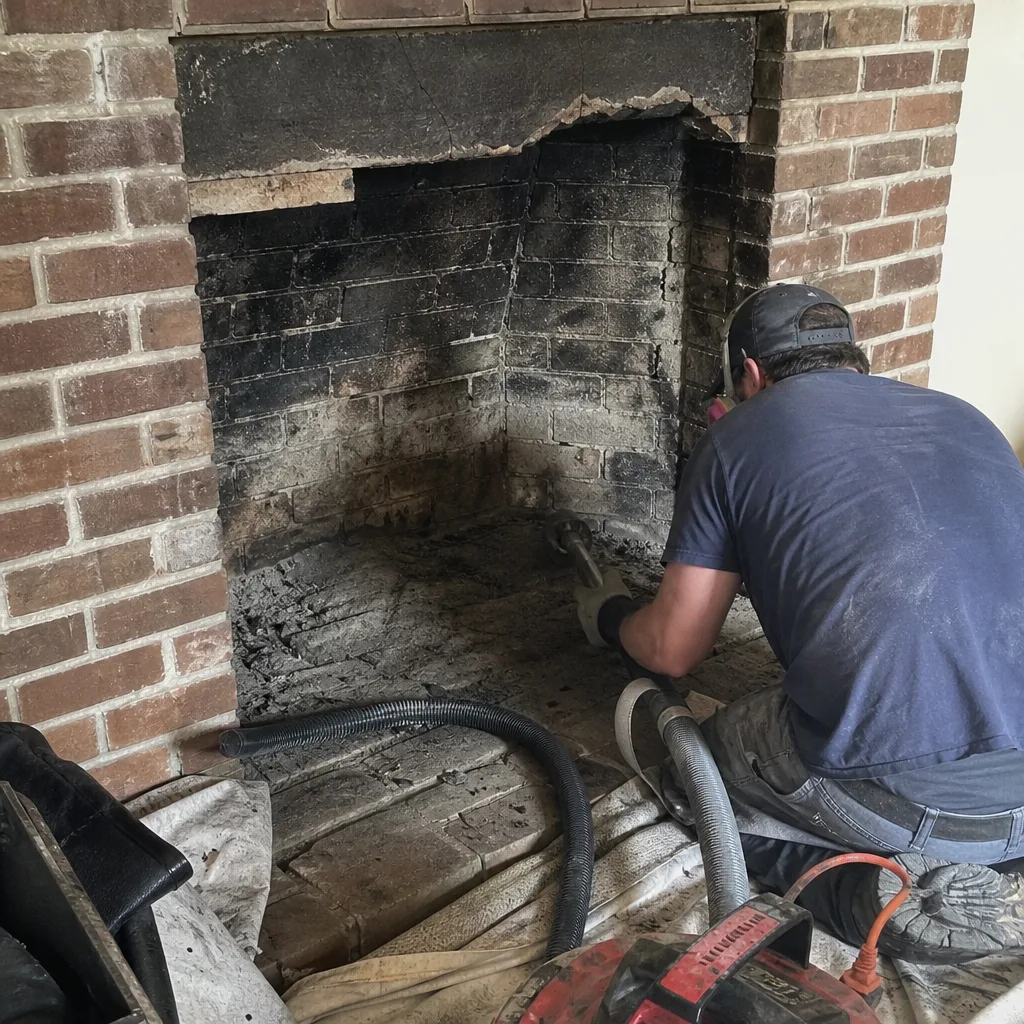 Before
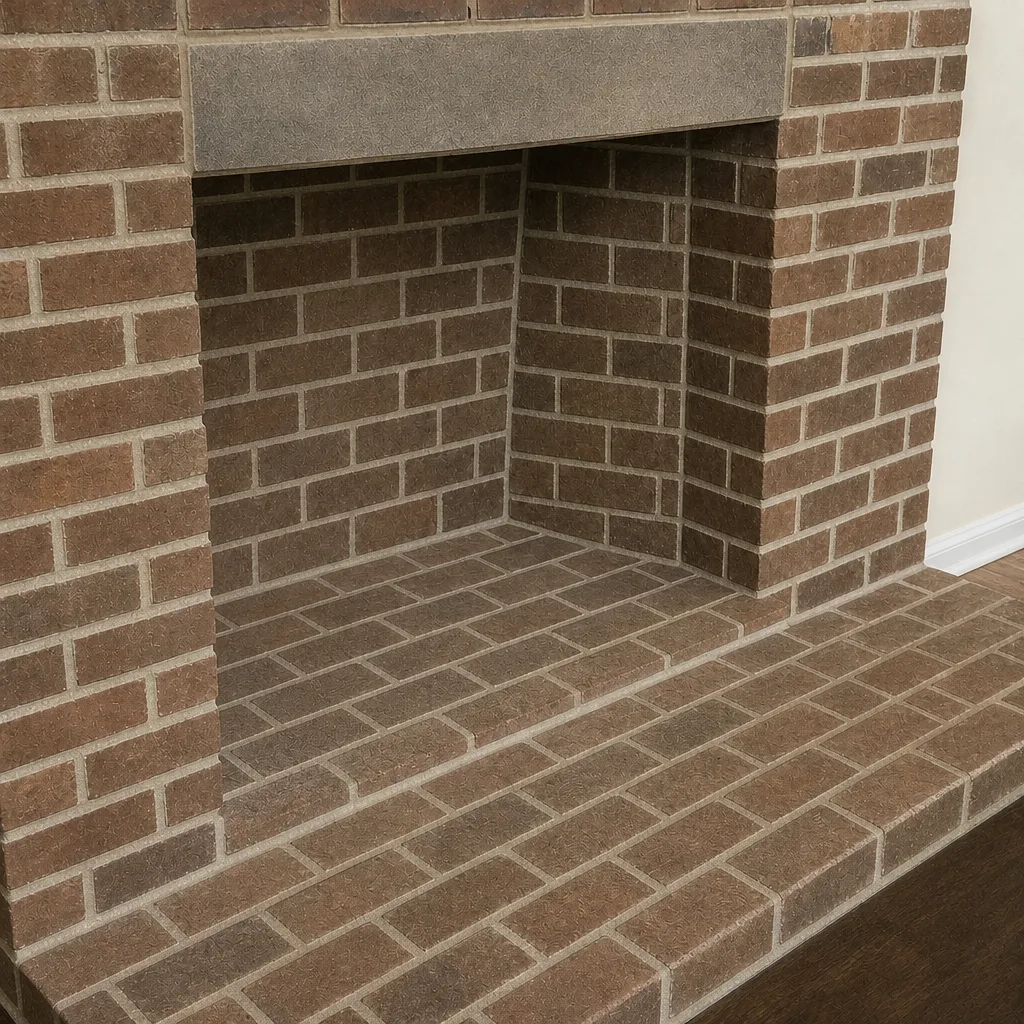 After