
Last updated November 15, 2026
 Sweep & inspection
 Caps & crowns
 Flue relining
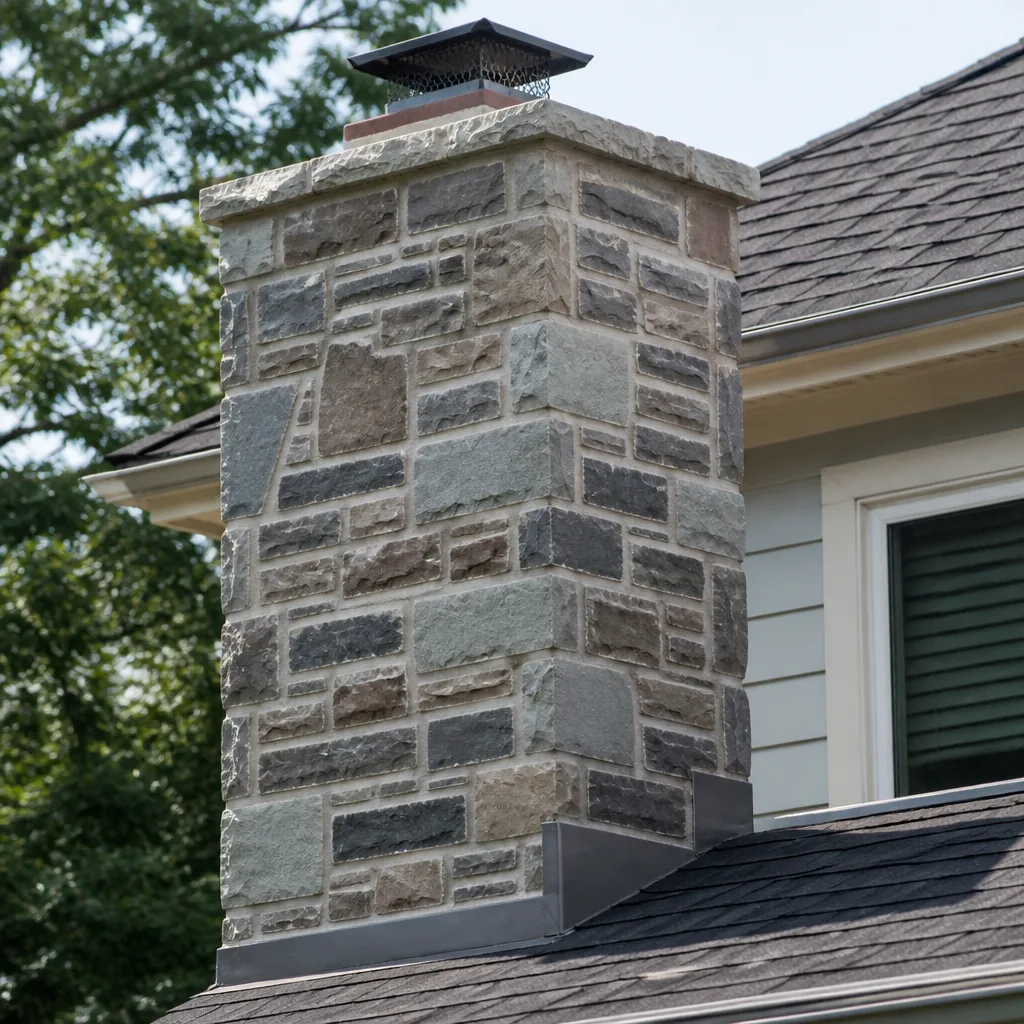 Masonry repair
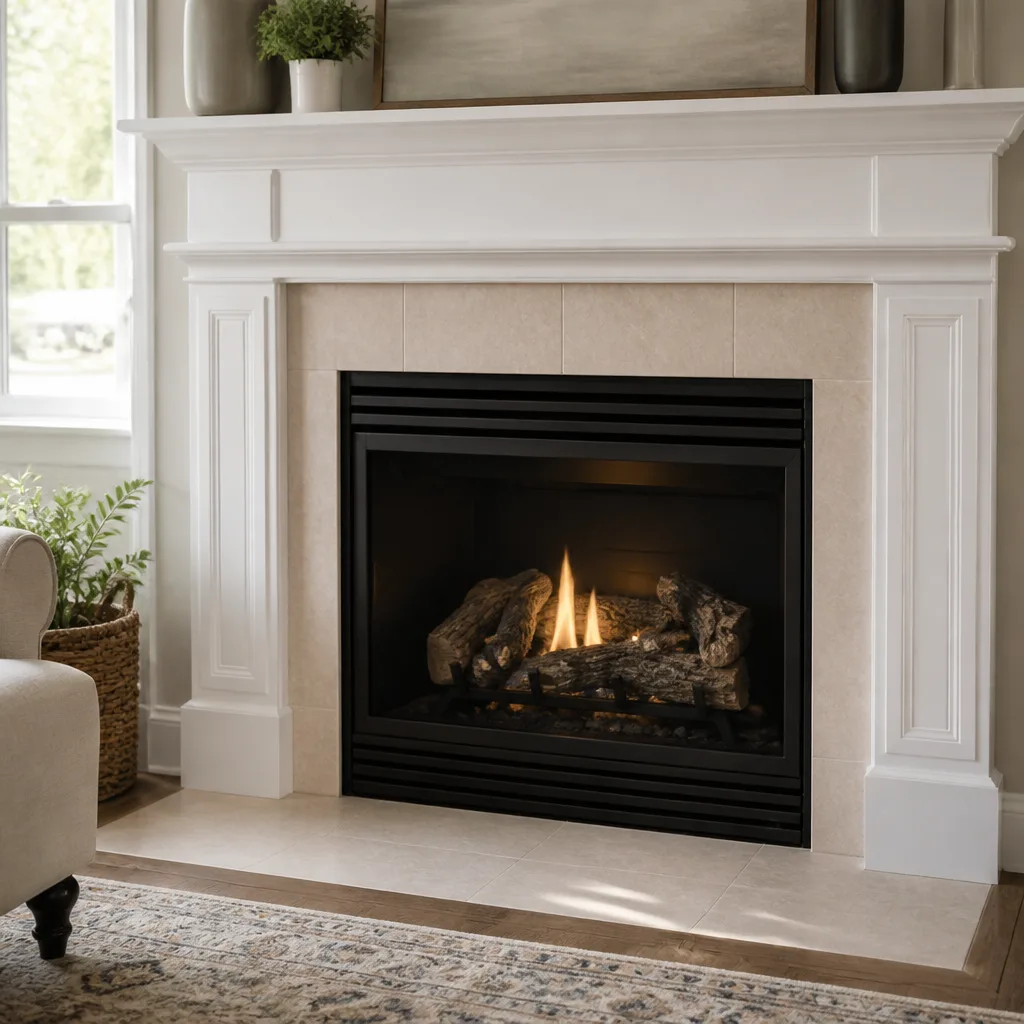 Gas fireplace service
Level 1 sweep and inspection to the NFPA 211 annual standard - flue, crown, cap, and flashing checked and photographed
Chimney sweep logs do not sweep chimneys. They loosen some creosote - which then falls where a brush and vacuum still have to collect it.
Chimney Sweep Maintenance Checklist for Louisville Homeowners
Most chimney advice starts and ends with “get an annual inspection,” which is true and nearly useless. It skips the question that actually matters: what are you checking for, and does that change depending on what kind of chimney system you have? A Heatilator factory-built fireplace in a 1990s home has a different set of failure points than a 1950s brick-and-clay stack in the Highlands, and a gas insert adds a checklist all its own. This guide gives you a checklist framework built around your system type, not a generic seasonal reminder. You’ll learn what you can safely watch yourself, what needs camera equipment, and when a cleaning appointment should become a full inspection. We wrote it from Louisville, and the local context runs through every section.
Quick Answer
A chimney maintenance checklist for a Louisville home should be built around your system type: masonry chimneys need annual sweeping plus crown, flashing, and liner checks, while factory-built systems need the flue inspected at the manufacturer’s intervals and clearances verified. You can safely self-check the crown, cap presence, and any visible efflorescence from the ground between professional visits, but liner condition, flue integrity, and combustion appliance venting require camera inspection. Document each check with photos of fixed reference points so you can track deterioration rate year over year.
Styles & brands we work with
- Sweep & inspection
- Caps & crowns
- Flue relining
- Masonry repair
- Gas fireplace service
Table of Contents
- Masonry Chimney Checklist
- Factory-Built Metal Fireplace Checklist
- Gas Fireplace and Insert Checklist
- What You Can Self-Inspect Between Visits
- How to Document Chimney Condition Year Over Year
- When to Escalate to a Full Level 2 Inspection
- Dryer Vent: The Checklist Most Chimney Guides Skip
- The Louisville Seasonal Maintenance Calendar
Masonry Chimney Checklist
Masonry chimneys in Louisville carry a specific burden: the housing stock in neighborhoods like Old Louisville, Clifton, and Crescent Hill includes masonry stacks built over many decades, and liners age on the same schedule as the masonry around them. That aging pattern matters more than most homeowners realize. A brick flue that was fine when it was built can be spalled, cracked, or gapped inside, and none of that is visible from the firebox or the roof line. Here’s what a masonry chimney checklist should cover:
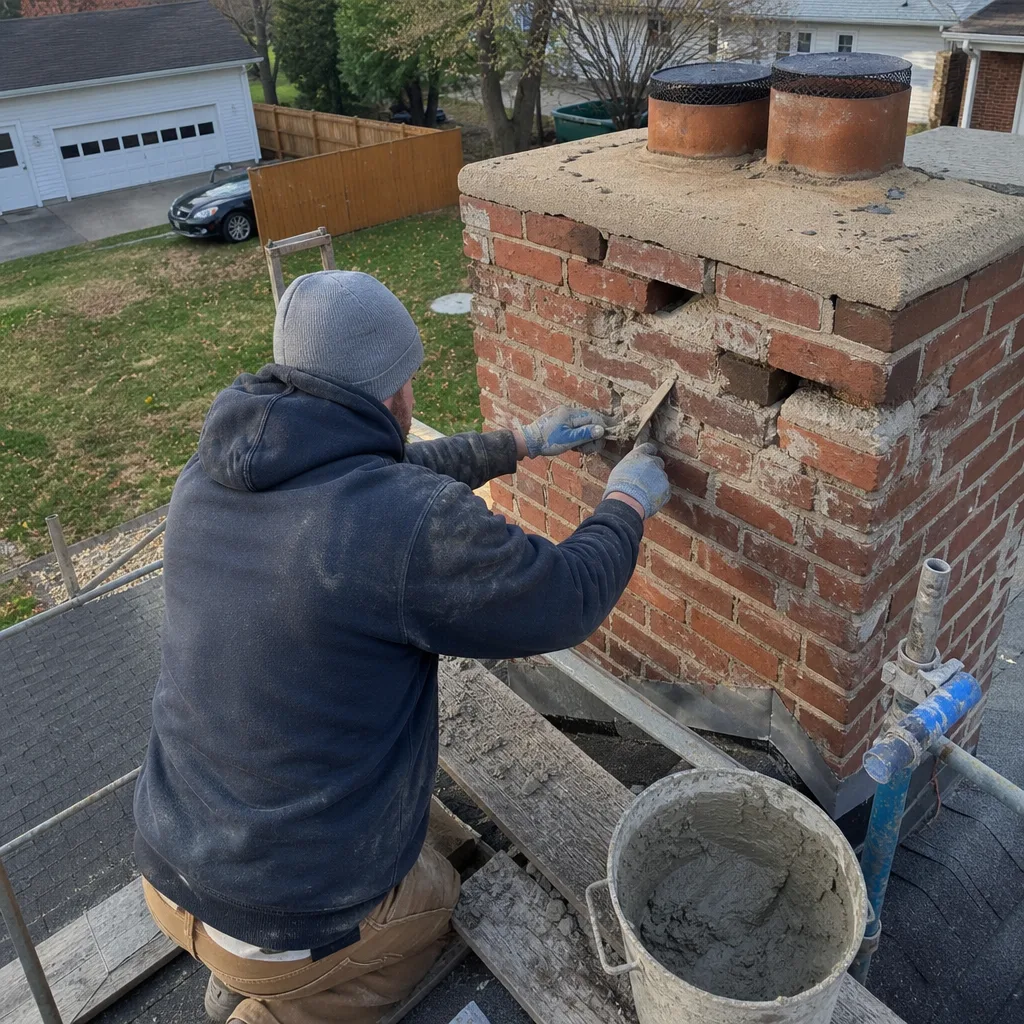
- Annual sweep and visual inspection. Every fireplace that burns wood, whether open or as a wood stove, needs sweeping at a frequency set by use. A fireplace burned heavily through winter usually needs an annual sweep; a rarely used fireplace can stretch the interval, but the inspection should still be annual.
- Flue interior with a camera. This is the part you cannot see from outside. A camera pass examines the full length of the flue liner for cracks, gaps, mortar deterioration, and any obstruction.
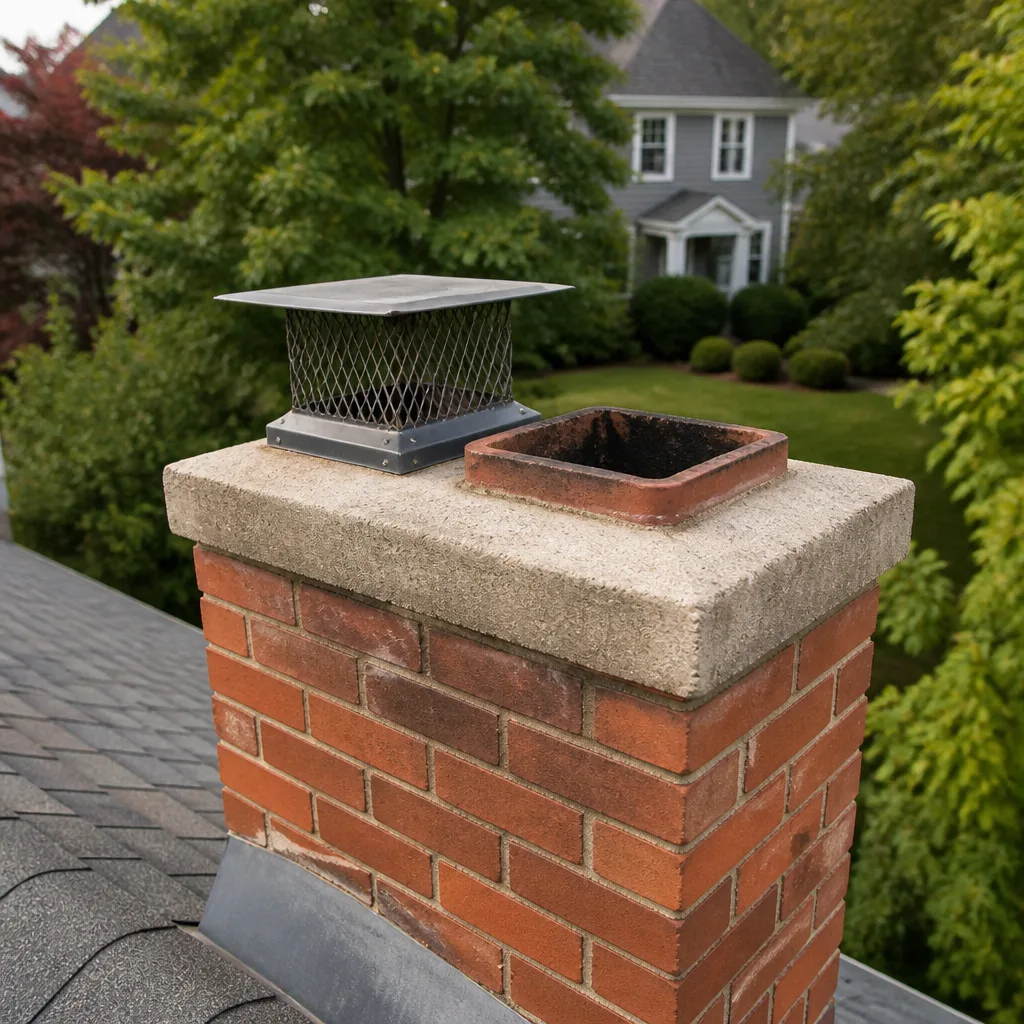
- Crown condition. The crown is the visible concrete or mortar cap on top of the stack. Fine hairline cracking is normal with age; deeper cracks, missing sections, or a crown pulling away from the flue opening let water in, and Louisville’s freeze-thaw cycles turn a small crack into a bigger one through repeated winter freezing.
- Flashing. The metal where the roof meets the chimney is the most common water-intrusion point. Lifted, rusted, or separated flashing gets worse through every season, not just winter.
- Spalling and efflorescence. Spalling brick flakes off and falls down the roof; efflorescence is the white chalky bloom that signals water moving through masonry. Both are worth noting as you walk the exterior.
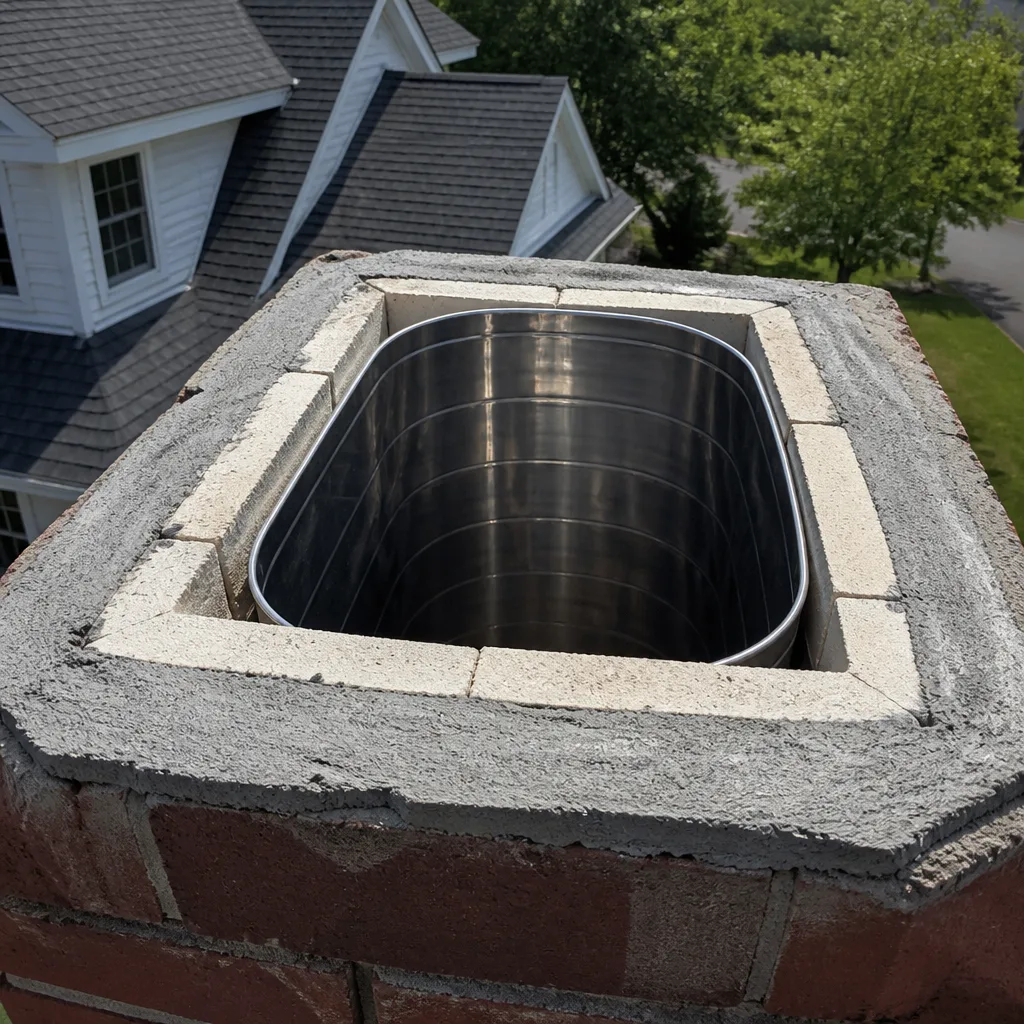
- Liner condition and relining readiness. If a camera pass shows a cracked clay liner, the flue may need relining. We use Louisville Chimney Cleaning tools and materials from DuraFlex for flexible stainless relining and HeatShield for certified flue resurfacing, so a cleaning visit that uncovers a liner problem doesn’t have to become a second appointment with another contractor.
- Firebox and damper operation. The firebox masonry should be sound, and the damper should open, close, and stay in position. A damper that won’t close is a heat-loss problem; one that won’t open is a smoke problem.
Masonry inspection intervals are shorter than most manufacturers’ intervals for prefab systems, but the aging rate differs by neighborhood. A 1900s chimney near downtown and a 1970s chimney in Jeffersontown may both need annual inspection, but they fail in different places.
Factory-Built Metal Fireplace Checklist
Factory-built fireplaces and chimney systems have their own inspection logic, and it’s different from masonry. The most common misconception is that a metal flue is safe because it looks clean. Factory-built systems are built to manufacturer specifications down to the clearances, and any part that changes (a new top plate, a replacement cap, a modified chase cover) affects that system as a whole. A prefab flue also has a defined service life, and a chimney professional should verify its remaining life rather than guess. Key items:
- Manufacturer-specific flue inspection. The flue is a metal pipe, not brick, and it has its own wear pattern. Look for joint separations, dented sections, and any internal corrosion visible with a camera.
- Clearance verification. Factory-built systems require specific distances from combustibles. Insulation packed against the flue, a chase built too tight, or a repair that closed a required air gap are all conditions that need to be identified and corrected.
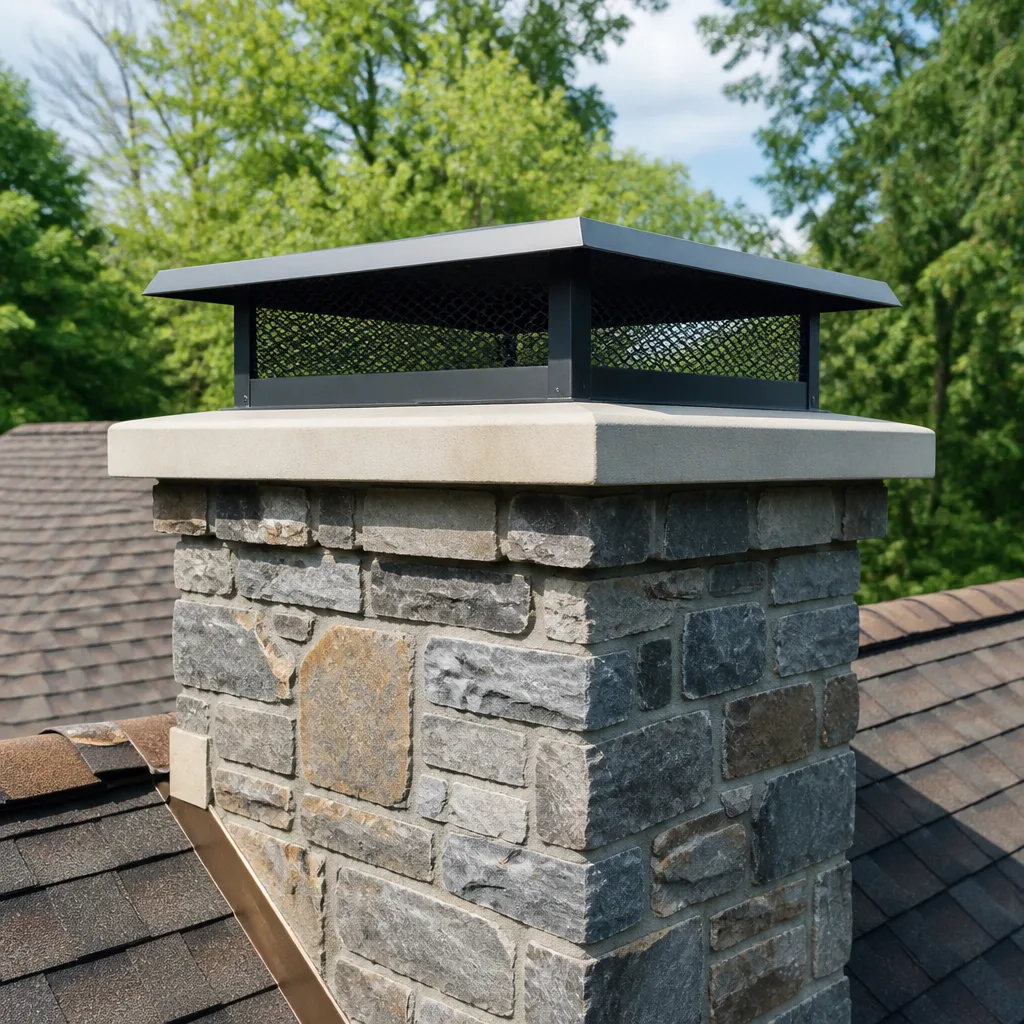
- Cap and top plate condition. Caps protect the flue from rain and wildlife. A missing or deteriorated cap is one of the easiest problems to miss from a living room. When a replacement is needed, using professional-grade caps from brands like Famco or Olympia Chimney matters: hardware-store caps are not built to the same specification as the system’s own cap.
- Firebox panels and refractory. Prefab fireboxes have panels with defined inspection points. A cracked panel needs to be identified and assessed, not refinished with mortar.
- Damper or gravity vent operation. Prefab systems often use a specialized damper or gravity vent. Verify it operates freely and the mechanism is not obstructed.
In our experience across Louisville, prefab chimneys in neighborhoods built out from the 1970s onward fail differently than masonry. They fail at joints, at the cap, or because a previous repair changed a clearance the manufacturer specified. That’s why we care about brands and part numbers, not just cleaning.
Gas Fireplace and Insert Checklist
Gas fireplace owners often skip annual service because there’s no ash to clean. That’s the wrong logic, because gas appliances have components that wear and safety conditions that don’t present as visible mess. A gas fireplace should get an annual service visit, and the checklist has to include the venting system. The items below are the ones we see most often skipped. Work on thermocouples, pilot assemblies, and gas piping is work for a trained professional, not a homeowner task: shut off gas at the valve and call for service if you smell gas or the pilot won’t hold.
- Thermocouple or thermopile condition. These components tell the gas valve the pilot is lit. A failing thermocouple causes the pilot to drop out; a marginal one causes intermittent dropouts that owners often dismiss as flaky behavior.
- Pilot orifice and flame pattern. A pilot flame should light cleanly and hold. A yellow or lifting flame, soot at the pilot, or an orifice that won’t stay lit needs professional attention.
- Venting clearances and termination condition. Direct-vent and B-vent systems are built to clearance and termination specs, and those clearances fall under code requirements; a vent termination that changed or was installed too close to a window or intake is a real safety issue and a professional check item.
- Glass, logs, and media condition. Cracked glass panels, deteriorating logs, and displaced media change the burner pattern and can affect combustion.
- Carbon monoxide response. Gas appliances produce carbon monoxide; a properly functioning vent carries it away. This is the reason annual gas service isn’t optional. Have working CO detectors on every level of the home.
What You Can Self-Inspect Between Visits
A reasonable homeowner checklist between professional visits covers the visible exterior and the firebox, and stops there. That’s not a limitation to apologize for: knowing the boundary between checkable and not-checkable is what makes a self-inspection useful. Here’s what you can safely do:
- Look at the crown from the ground. Binoculars from the yard, or a photo from a safe fixed vantage point, will show a crown that’s cracked, chipped, or pulling away. Don’t climb the roof; the risk of a fall outweighs the information.
- Verify the cap is present and in reasonable shape. If the cap is missing, that’s a call to schedule service. Caps are one of the cheapest preventive items and one of the most frequently missing.
- Note efflorescence and spalling on the exterior. A white stain that grows season to season is water moving through masonry. Flaking brick means moisture is doing real work.
- Check the firebox for visible cracks and note the damper’s operation. Anything loose in the firebox should be noted and shown to your technician; don’t remove or refit it yourself.
- Smell and smoke. A fireplace that suddenly drafts poorly, smokes into the room, or smells of creosote after a burn should be scheduled for service, not used again.
What you can’t safely do: inspect the flue liner, verify clearances, examine the chimney from the roof edge, or evaluate combustion appliance venting. Those items require camera inspection and a trained technician. Our technicians have up to 13 years of experience, and a camera inspection and photo report is part of the sweep so you see exactly what we see.
How to Document Chimney Condition Year Over Year
Deterioration is a rate, not an event, and the only way to know the rate is to keep records. That’s why we recommend a simple photo reference system for every chimney system we service. It takes a few minutes annually and gives a homeowner evidence they can review when talking to a technician, an insurance carrier, or a home inspector. The system works like this:
- Pick three fixed reference points. For masonry, the crown from a consistent vantage, the flashing from the same roof angle, and the interior liner photo from the camera pass. For prefab, the top plate and the flue interior. Consistency is the key.
- Photograph from the same spot annually. Date the photo. A crown that looked the same for three years and changed this season tells you something; a crown with no photos behind it tells you nothing.
- Keep the sweep report with the photos. The camera pass report and photo set from your cleaning appointment belong in the same folder as your annual photos. When a technician says the liner is fine, the report shows exactly what was checked.
- Review the folder when you plan repairs. Replaced a cap? Noted a liner repair? Log it. When a two-year-old crown repair starts showing again, the rate matters to the repair decision.
This is also where the free estimate protects you. Nothing we recommend comes without camera evidence you can see for yourself. If the flue or masonry can safely wait a season, we say so; if it can’t, the photos and report say why.
When to Escalate to a Full Level 2 Inspection
A Level 2 inspection is the more thorough inspection performed when you need to understand the whole chimney system, not just what a cleaning pass covers. It’s a camera inspection of the full flue plus a more complete look at the accessible chimney system, and it’s the right call when something has changed. These are the triggers:
- Recent severe weather or impact damage. Storms, wind events, and fallen limbs are the most common reason a previously fine flue becomes a problem. If the storm season involved impact damage around the roofline, get it inspected.
- Buying or selling a home. A home purchase is a moment to establish the baseline condition of the chimney system. Home inspectors flag chimney issues routinely, and a buyer deserves the system’s actual condition rather than a guess.
- Installing a new appliance. A wood stove, gas insert, or pellet appliance changes the venting demand on the flue. New appliance installation should include a proper inspection of the existing flue.
- A repair that changed the flue. Any relining, resurfacing, or flue modification should be documented with a post-repair inspection.
- Obvious symptoms. Smoke entering the room, sudden poor draft, creosote smell, or a homeowner-discovered liner crack all say “level 2 inspection.”
- Insurance carrier or inspector flag. If your carrier has asked for documentation of chimney condition, an inspection and report satisfies that requirement.
For a routine cleaning appointment that only needs a visual check, a sweep and inspection covers it. For all other cases, we schedule the level 2 inspection at the same visit so there’s no second trip. This is the “one crew, one visit” habit we encourage: cleaning and repair don’t have to be scheduled separately.
Dryer Vent: The Checklist Most Chimney Guides Skip
A chimney maintenance checklist for a Louisville homeowner isn’t complete without the dryer vent, because it’s the same fire-prevention logic applied to a second ignition point in the house. Lint builds up in the vent duct, and when it does, the dryer can overheat and start a fire. That’s not a housekeeping concern; it’s a combustion-safety concern. Our dryer vent cleaning uses the same inspection discipline as chimney work, including the camera inspection and photo report you’d expect on a chimney sweep. The dryer vent checklist items:
- Vent run length and routing. The shorter and straighter the duct, the better the airflow and the lower the lint accumulation. Corrugated or ribbed flex duct traps lint.
- Duct transitions and terminations. Check the duct for crushing behind the dryer, and verify the outside termination has a working backdraft damper and a clean screen.
- Lint screen and duct interior. Clean the lint screen after every load, and schedule duct cleaning based on load frequency and duct length.
- Drying time change. Clothes that suddenly take longer to dry are the most reliable symptom of a restricted vent.
The Louisville Seasonal Maintenance Calendar
Louisville’s seasons set the maintenance calendar. A spring cleaning after a winter of burning removes creosote before summer humidity and heat, which is also the best time to address masonry repairs before the next freeze-thaw cycle. Late summer and early fall is the booking window for a pre-burning-season sweep, and that’s a queue, not an emergency: a homeowner who books early in the fall gets the slot. Winter maintenance is limited to inspection and follow-up repairs, but again, this isn’t a weather-dependent emergency schedule. Snow, ice, and the region’s freezing rain create the freeze-thaw cycle that opens crown cracks and drives water into masonry, and that’s the reason masonry checks belong on an annual cycle, not when a problem is obvious. Late fall is also the right time to check the dryer vent before the heating season loads the house.
Common Mistakes to Avoid
- Treating “annual cleaning” as the whole job. A sweep is a cleaning service; an inspection is a diagnostic service. Both matter, and the checklist has to include the inspection items the cleaning alone doesn’t reach.
- Skipping the dryer vent because the chimney got attention. Lint accumulation is a distinct fire risk, and a cleaning appointment that covers both is more efficient than scheduling separately later.
- Choosing a cap by price alone. Hardware-store caps aren’t built to factory-built system specifications. Use a properly specified cap from a professional-grade line like Famco or Olympia Chimney.
- Replacing a crown or patching a liner without a camera record. If the condition wasn’t documented, the repair decision wasn’t evidence-based, and the next owner can’t verify what was done.
- Ignoring a gas fireplace because it “hasn’t been used.” A gas appliance that sits idle still has a venting system and combustion components to verify. Annual service on the gas appliance is part of protecting the home.
- Waiting for a visible symptom before inspecting. Most chimney failures show up as a slow, quiet change before they show up as a visible one.
- Assuming every neighborhood ages the same way. The older masonry stock near downtown and in Crescent Hill ages differently from the prefab systems built in newer subdivisions. Build the checklist around the system you have.
See the difference
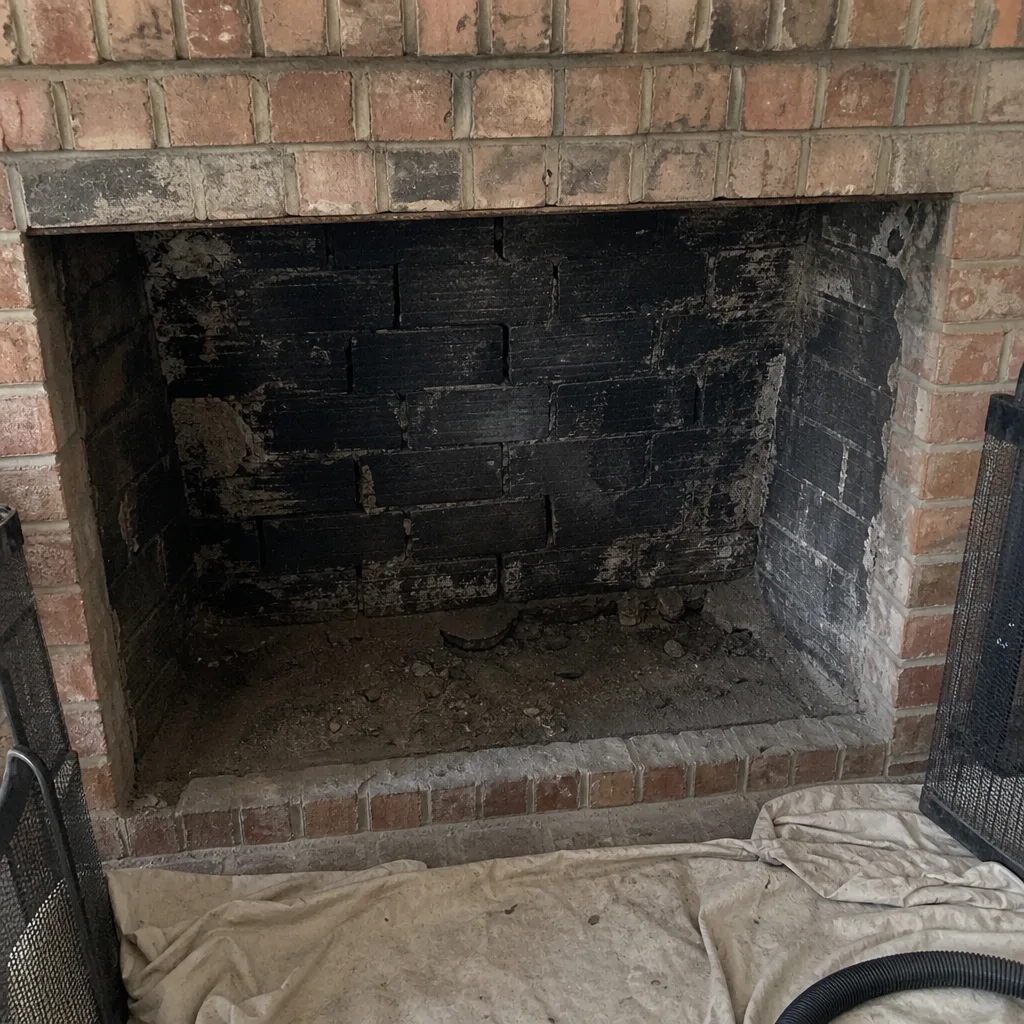 Before
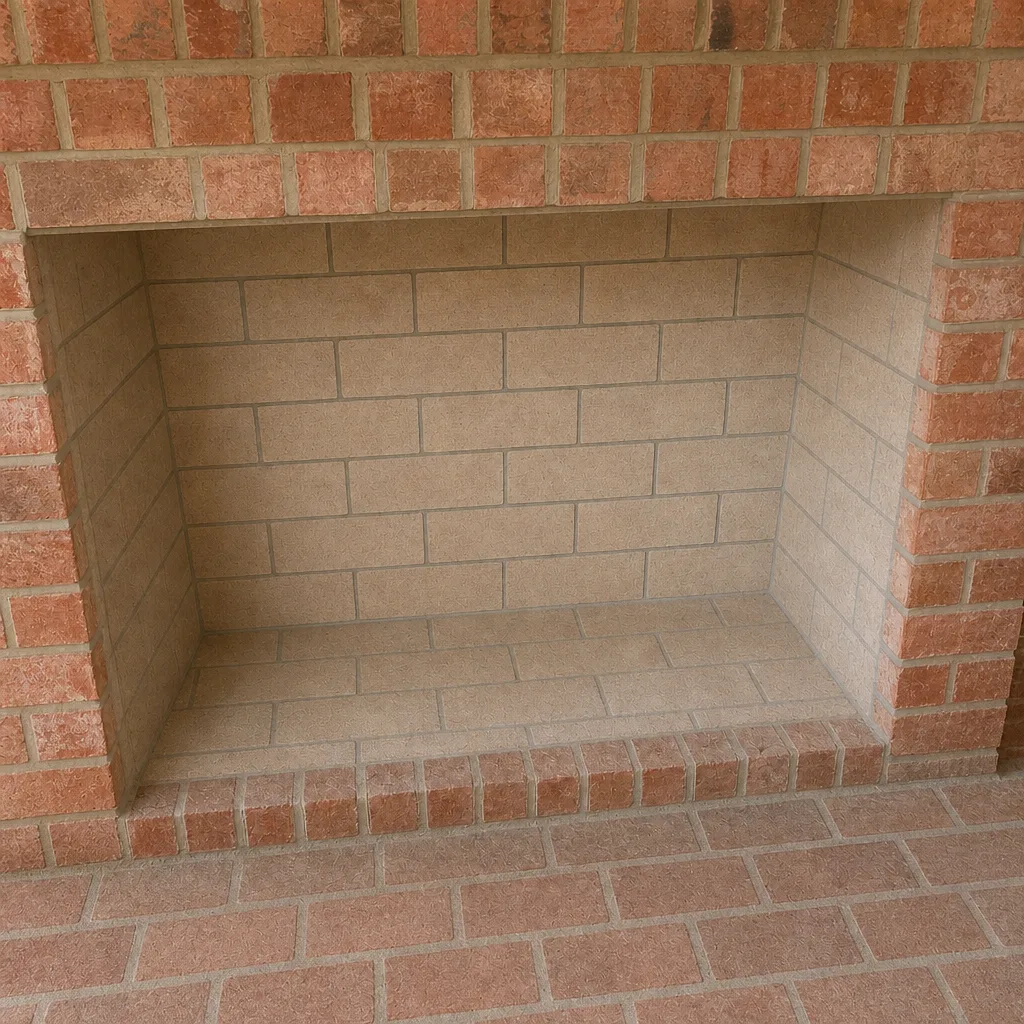 After
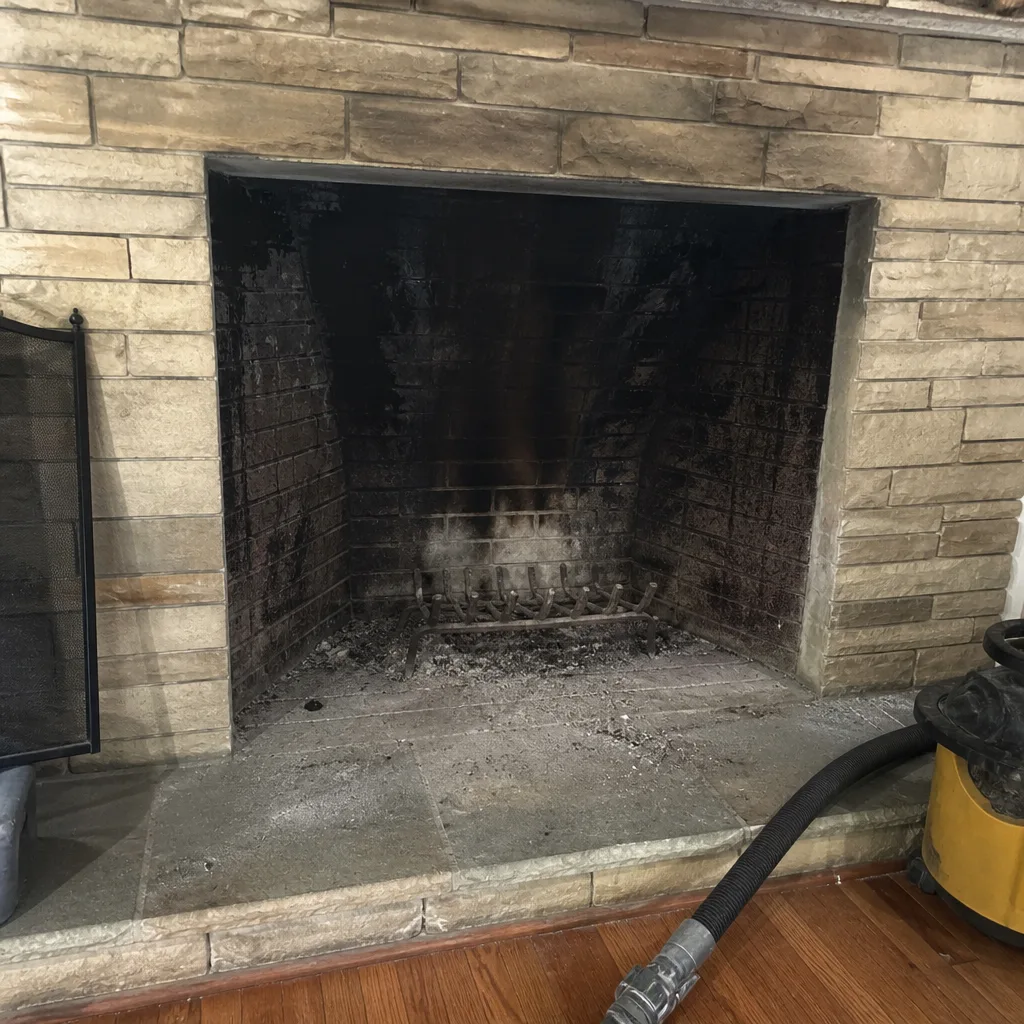 Before
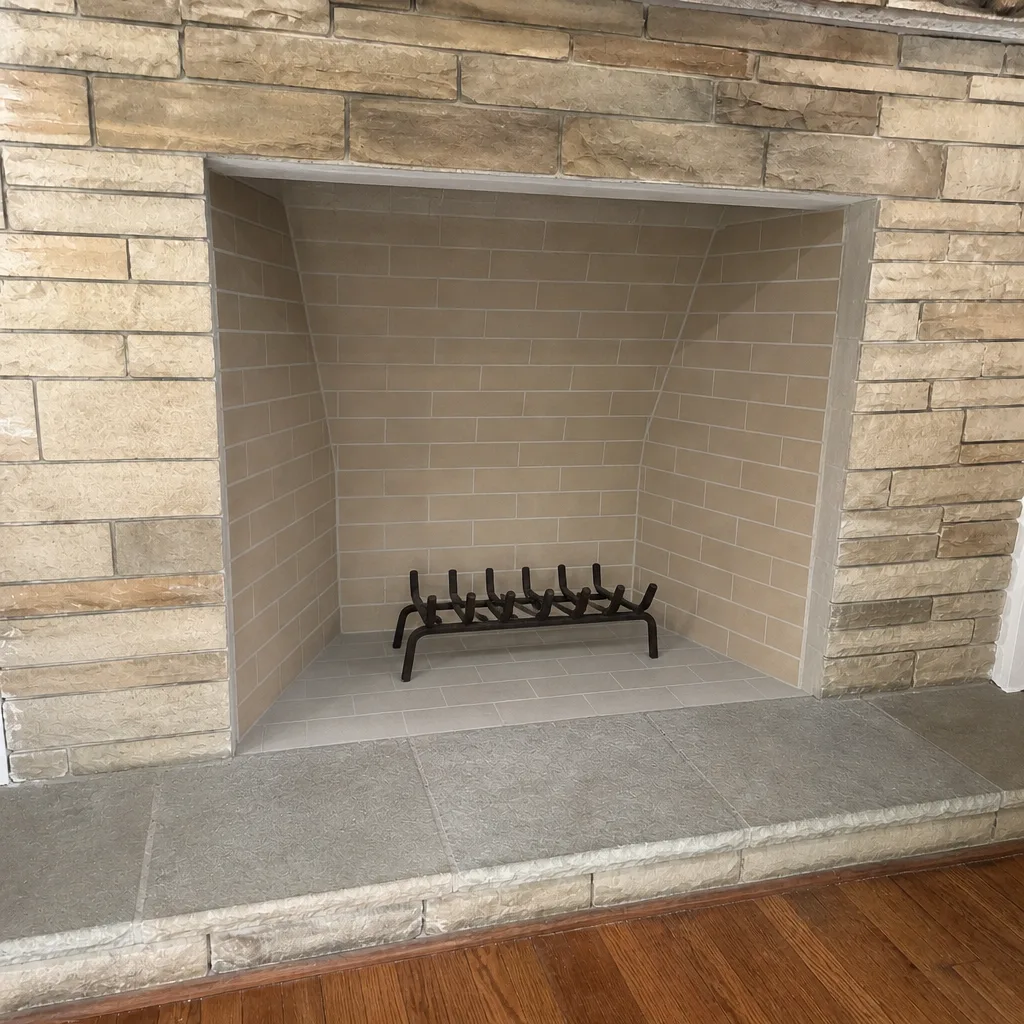 After
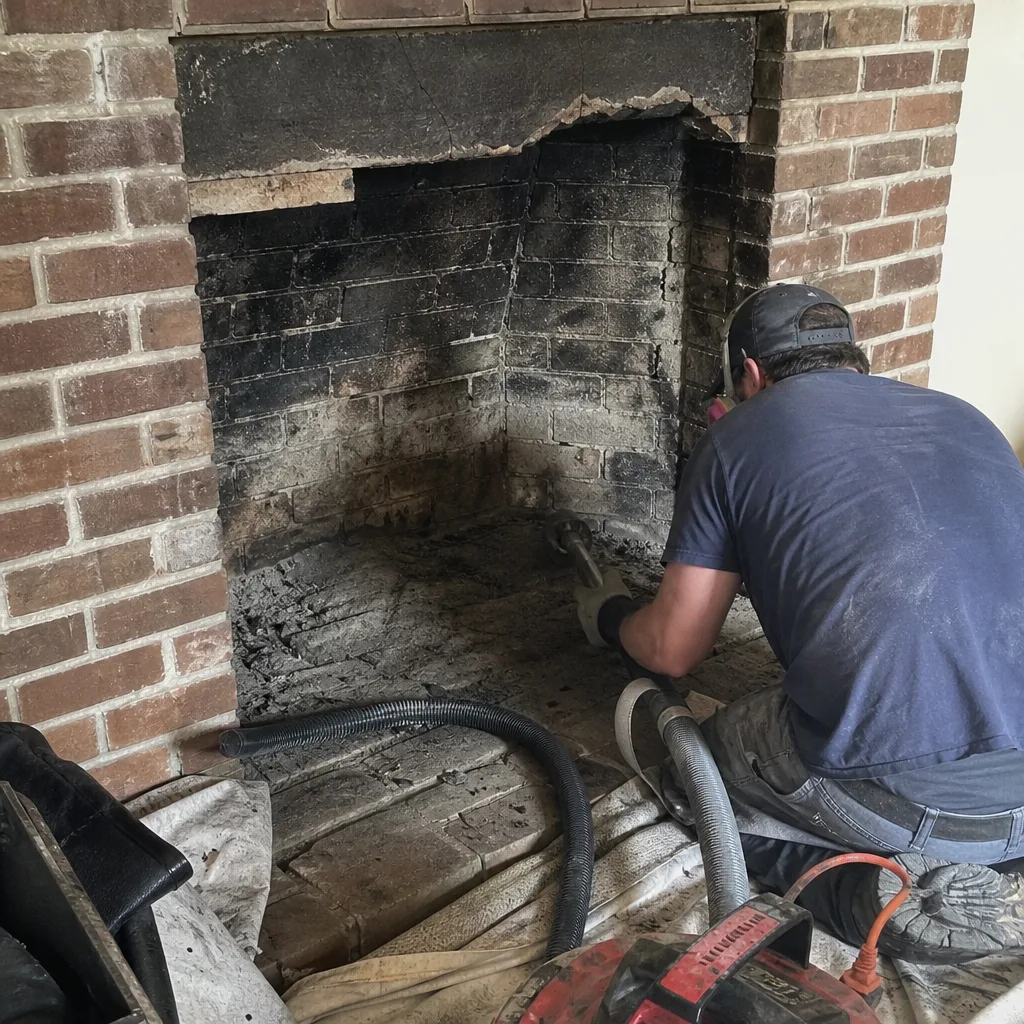 Before
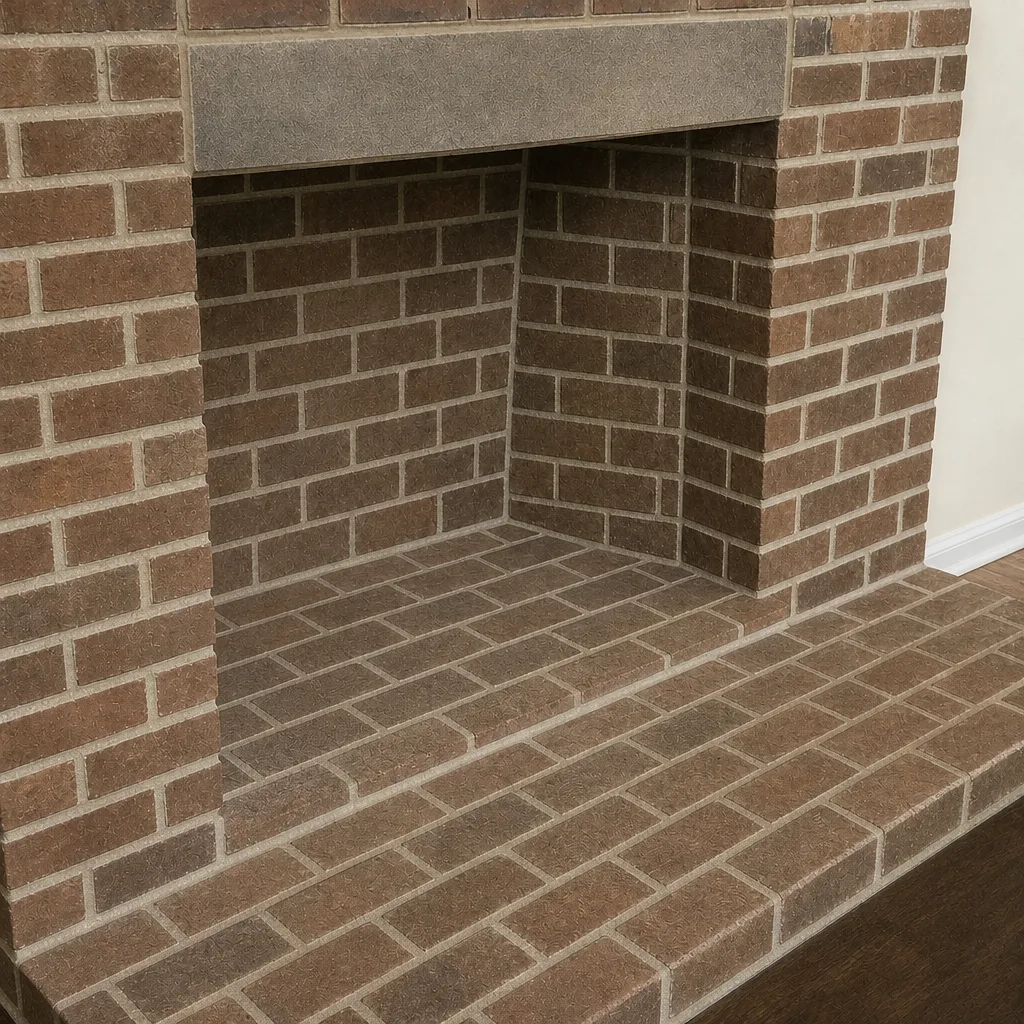 After
When to Call a Professional
Call a professional for any of the following: a flue you can’t see inside, a gas appliance acting up, a pilot that won’t hold, a fireplace that smokes or smells of creosote, a chimney storm or impact may have struck, a home purchase or sale, a new appliance installation, or a dryer that’s taking noticeably longer to dry its loads. Also call if a home inspector or insurance carrier has asked for documentation of chimney or vent condition. Cleaning and repair belong on one visit, and we don’t recommend work without camera evidence you can see for yourself. If a repair can safely wait, we’ll tell you that too. For a free estimate, call (844) 560-6386. We answer 24/7. Fast dispatch from 7am to 7pm, Sunday through Friday.
Frequently Asked Questions
Once a year is the standard for every chimney system in Louisville, and the sweep frequency sits on top of that and depends on use. A heavily used wood fireplace usually gets an annual sweep; a rarely used one can stretch the cleaning interval. The inspection item should be annual regardless of burn frequency, because the important failure points (crown, flashing, liner) don’t care how many fires you had. Call (844) 560-6386 for an exact quote; estimates are free and a camera inspection and photo report is included.
You need relining when a camera inspection shows the existing liner is compromised: cracks, gaps, or deterioration that would let flue gases or heat past the liner. A professional-grade reline uses a flexible stainless system sized for the appliance; DuraFlex is the liner system we work with. A camera pass is what decides this, and it’s also what makes the answer verifiable rather than a sales pitch. If the liner is sound, a cleaning and inspection is all that’s needed.
You can safely self-check the crown from the ground, cap presence, visible spalling or efflorescence on the exterior, and whether the damper operates. That’s the full safe list. Anything inside the flue, anything about clearances, and anything related to combustion appliance venting requires camera equipment and a trained technician. Don’t climb the roof to check a crown; the far better choice is a camera check during the annual sweep.
A sweep cleans the chimney; a level 2 inspection goes deeper into the whole system, including a camera pass of the full flue and a more thorough look at the accessible chimney. A cleaning appointment can uncover signs that a level 2 inspection is needed, and we schedule it at the same visit when we can. The triggers that call for a level 2: a recent storm, a home purchase, a new appliance installation, or a visible symptom like smoking or poor draft.
Yes. A gas appliance has a combustion system and a venting system to verify, and the components that wear (thermocouple, pilot orifice) don’t announce themselves. Annual service checks the thermocouple, pilot flame pattern, venting clearances, and the glass and log condition, and it’s the practical way to reduce carbon monoxide risk in a home. This is a professional service call, not a DIY task.
Dryer vent cleaning should be scheduled based on load frequency and duct length, and the symptom that says “now” is clothes taking longer to dry. A long or convoluted vent run accumulates lint faster than a short direct one. The dryer vent is a burner-level ignition risk in its own right, and it belongs on the annual checklist alongside the chimney. Call (844) 560-6386 for an exact quote; estimates are free.
The Bottom Line
A chimney maintenance checklist for a Louisville home has to match the system, because masonry, factory-built, and gas systems have different components, failure points, and inspection intervals. The one constant across all three is the annual inspection with a camera pass, plus a photo record of the reference points that make deterioration measurable. You can safely watch the exterior and the firebox; the rest belongs to a trained technician. We work in Louisville with the materials to repair what a cleaning uncovers, using HeatShield resurfacing and DuraFlex relining and professional-grade caps from Famco and Olympia Chimney. For a free estimate on a chimney sweep with a camera inspection to Louisville homeowners, call (844) 560-6386. We answer 24/7. Fast dispatch from 7am to 7pm, Sunday through Friday.
Written by the team at Louisville Chimney Cleaning.