
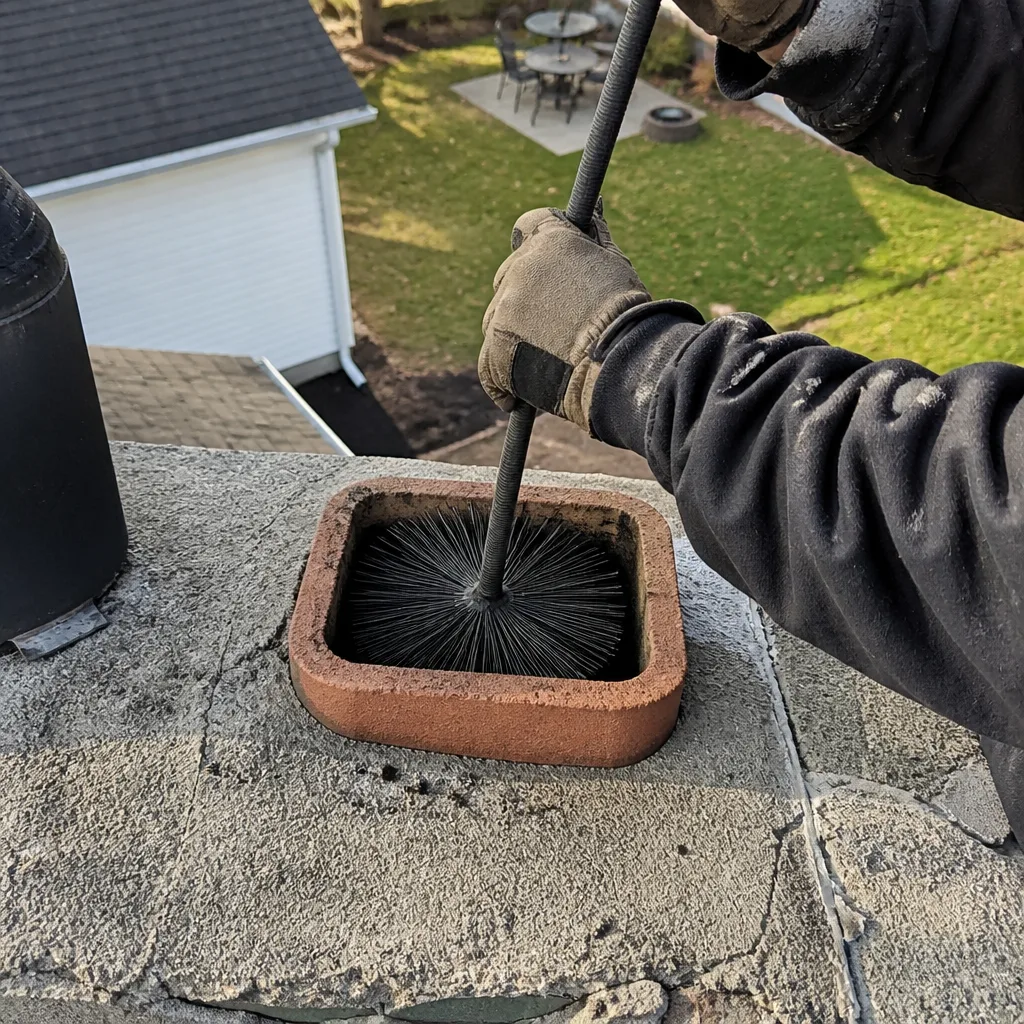
Last updated November 15, 2026
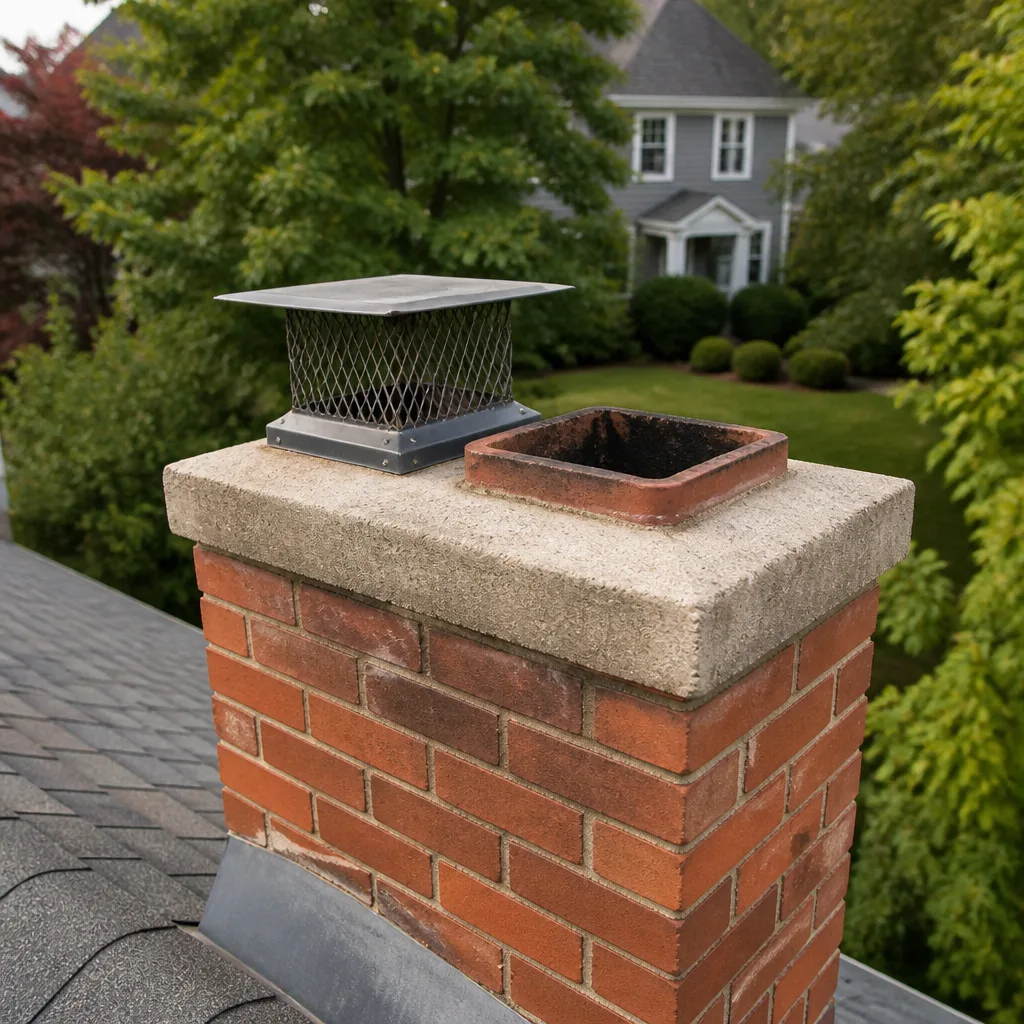 Sweep & inspection
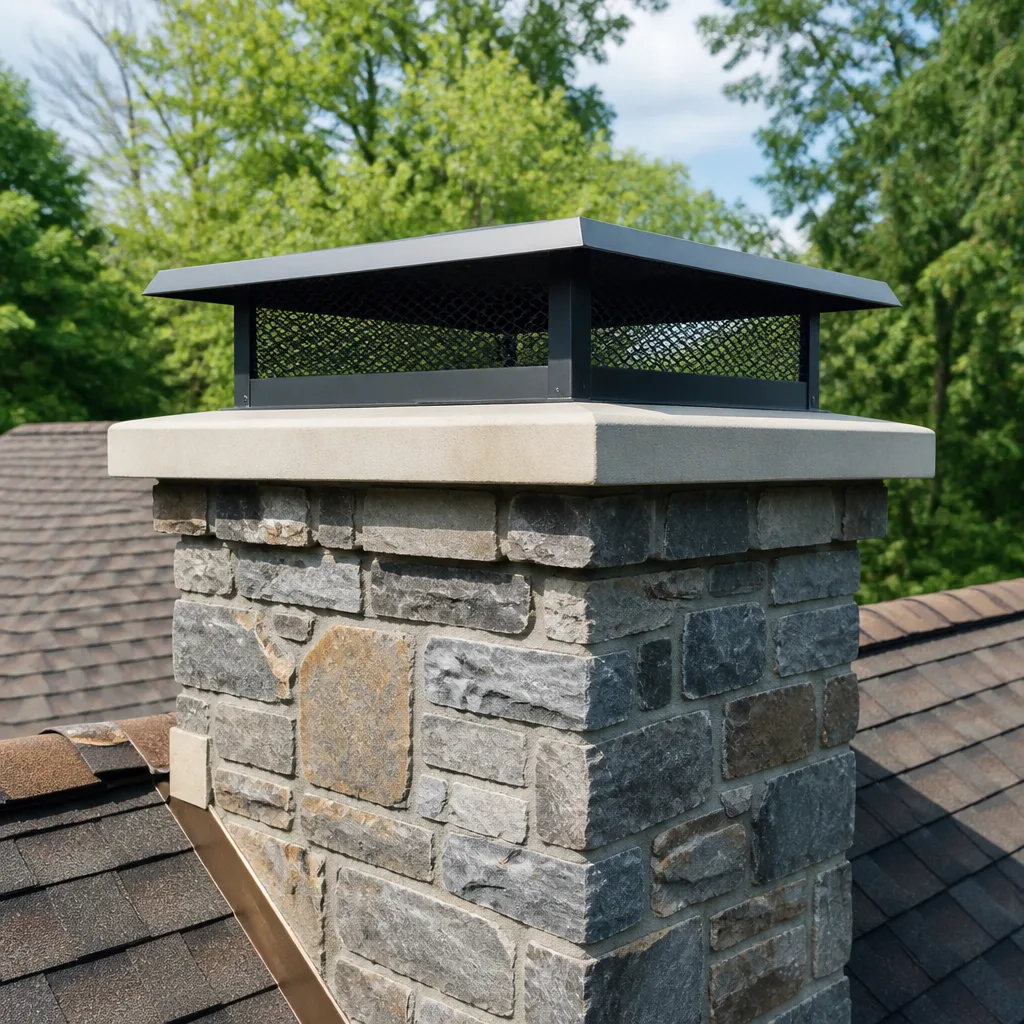 Caps & crowns
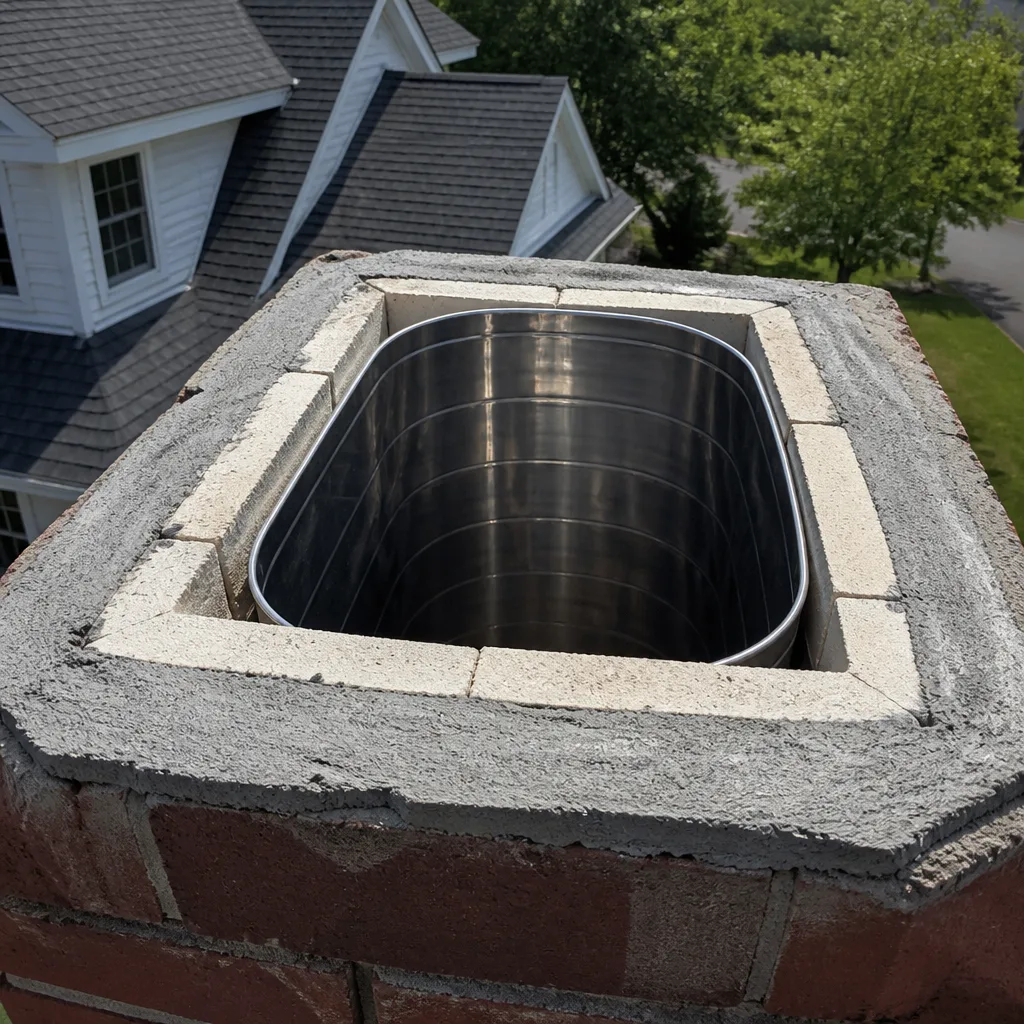 Flue relining
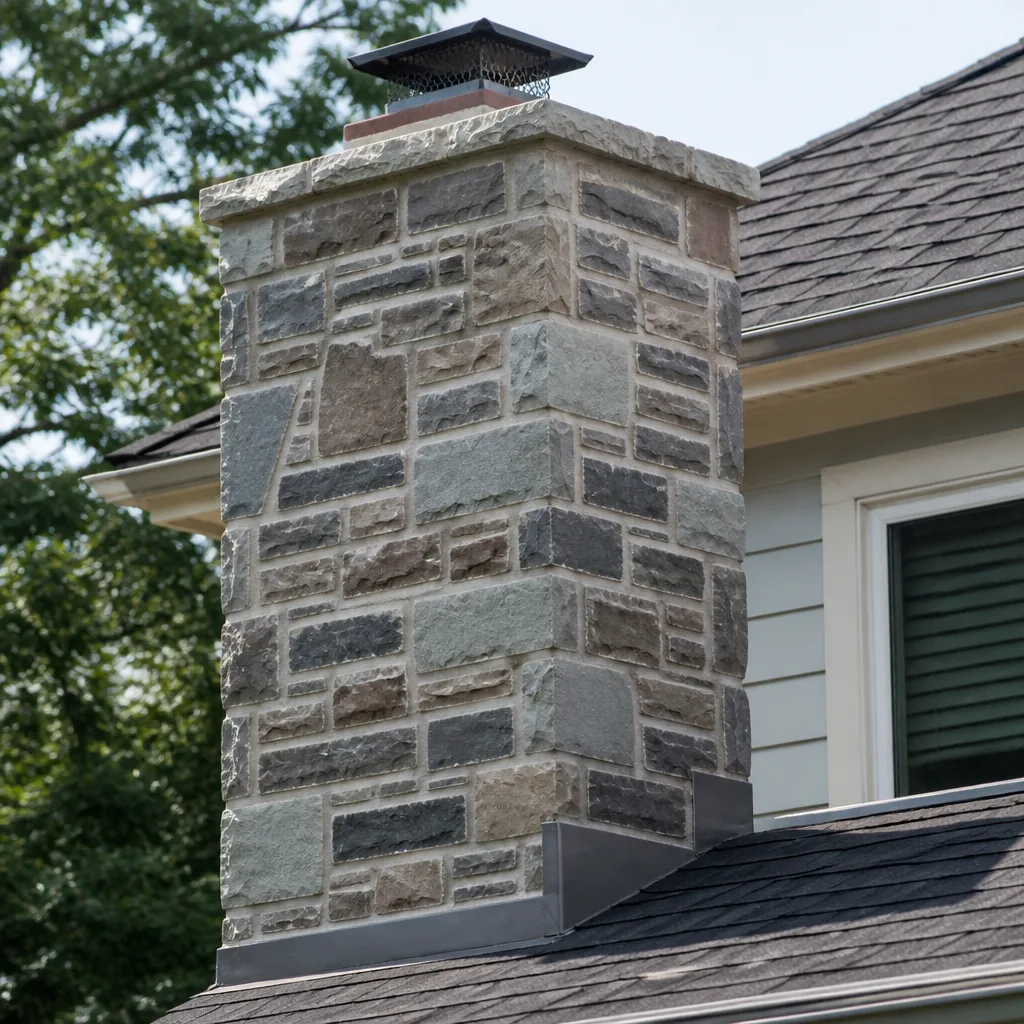 Masonry repair
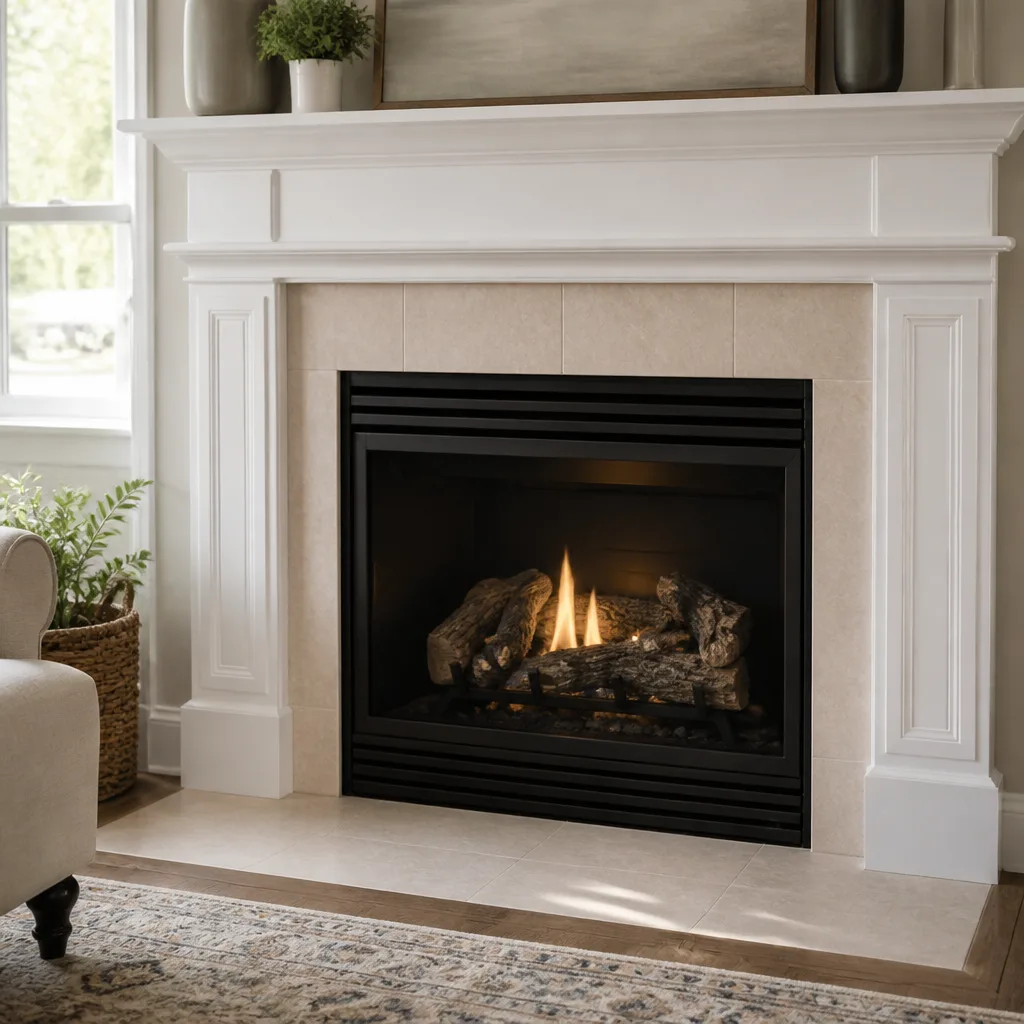 Gas fireplace service
Level 1 sweep and inspection to the NFPA 211 annual standard - flue, crown, cap, and flashing checked and photographed
Chimney sweep logs do not sweep chimneys. They loosen some creosote - which then falls where a brush and vacuum still have to collect it.
How to Hire a Chimney Cleaning Contractor in Louisville: A Step-by-Step Guide
A chimney sweep who only sweeps is like a mechanic who changes your oil but won’t tell you your brake pads are gone. The service was performed. The bill was paid. And you’re no safer leaving than when you arrived. That’s the trap most Louisville homeowners fall into: they shop a chimney cleaning the way they’d shop a pressure washing, lowest quote wins, without asking whether the person on the roof can actually diagnose what the camera finds or repair what the brush loosens. This guide reframes the whole hiring decision around scope-of-work capability instead of price, and it walks you through the exact questions, credentials, and red flags that separate a real chimney contractor from a brush-and-go operation.
Quick Answer
To hire a chimney cleaning contractor in Louisville, verify that the company carries CSIA Certified Chimney Sweep credentials, can perform both cleaning and repair in-house (not hand you off to a second vendor), and produces a written inspection report with photographed findings, an inspection level, and material recommendations named by brand. Ask about repair capability before you book the sweep. A sweep-only crew can’t provide a repair estimate or install a liner system, so you’ll end up coordinating two contractors for one job.
Styles & brands we work with
- Sweep & inspection
- Caps & crowns
- Flue relining
- Masonry repair
- Gas fireplace service
Table of Contents
- Why Hiring a Chimney Contractor Is Different From Hiring Any Other Trade
- The Credentials That Actually Matter in Kentucky
- Ask About Scope of Work Before You Book the Sweep
- What a Legitimate Inspection Report Must Include
- Red Flags in a Chimney Contractor Proposal
- How to Tell Professional-Grade Materials From Hardware-Store Substitutes
- The Seven-Step Hiring Process
- When Cleaning Reveals a Repair: What Happens Next
Why Hiring a Chimney Contractor Is Different From Hiring Any Other Trade
Chimney work is one of the few home services where the diagnosis and the repair are inseparable. A plumber can look at a leak, tell you what’s wrong, and come back with the part. A chimney sweep who isn’t also a repair contractor can look at your flue, tell you what’s wrong, and then… send you to someone else. That gap between finding a problem and fixing it is where Louisville homeowners lose time, money, and sometimes safety.
The chimney system is a stack of interdependent parts: firebox, damper, smoke chamber, flue, liner, crown, cap. Trouble in one section puts stress on the others. A cracked crown lets water into the masonry, which spalls the brick, which breaks the bond around the flue tile, which opens a pathway for carbon monoxide into the living space. A sweep who only cleans sees the symptom in the firebox. A contractor who repairs traces the whole chain.
Louisville’s housing stock makes this more than theoretical. Neighborhoods like Old Louisville, Cherokee Triangle, and Portland have homes where the original masonry chimneys and clay tile liners have aged together – and a 1920s flue tile that was fine in 1985 may not be fine now. Add our freeze-thaw cycles, where a mild January week followed by a hard freeze works moisture into every mortar joint, and the cumulative wear adds up quietly. We’ve seen plenty of chimneys that pass a visual glance and fail a camera inspection the same afternoon.
The hiring decision, then, isn’t about who can push a brush. It’s about who can handle the whole chimney system from inspection to repair without a second phone call. That’s the standard to hold every contractor to.
The Credentials That Actually Matter in Kentucky
Chimney work in Kentucky is largely governed by voluntary industry credentials rather than state licensing. That means homeowners have to do the verification themselves. Here’s what to look for and what each credential actually means.
CSIA Certified Chimney Sweep
The Chimney Safety Institute of America (CSIA) certification is the baseline credential in this trade. It’s a written exam plus continuing education, and it’s renewed on a cycle that keeps the sweep current on codes and practices. A CSIA-certified sweep has demonstrated knowledge of inspection standards, venting principles, and safety. Ask for the certification and verify it on the CSIA directory.
NFI Credentialing for Gas Appliances
If your Louisville home has a gas fireplace or gas insert, the National Fireplace Institute (NFI) credential matters. Gas appliances vent differently than wood, and a technician without gas training may not recognize signs of improper venting or combustion problems. Ask whether the company works on gas appliances and who holds the NFI credential.
What Kentucky Requires
Kentucky doesn’t issue a state-issued chimney sweep license the way it does for electricians or plumbers. That leaves industry certification and local permit requirements as your main verification tools. Some chimney repairs, particularly structural ones, may require a permit from Louisville Metro’s building department. Ask the contractor whether the work you’re considering needs a permit; a contractor who doesn’t know is a contractor who doesn’t pull them.
Insurance and Bonding
Any chimney contractor working on your roof should carry general liability insurance and be bonded. Ask for a certificate of insurance. If the answer is vague or the contractor wants to start before providing it, that’s your cue to walk.
Ask About Scope of Work Before You Book the Sweep
This is the single most important question in this guide, and almost no homeowner asks it: Do you do repairs? Ask it on the phone, before scheduling. The answer tells you whether you’re hiring a specialist or a subcontractor-of-the-sweep.
A sweep-only crew can clean a flue and perform a visual check. What it typically cannot do is issue a formal repair proposal, install a stainless liner, resurface a damaged flue, or rebuild a crown. Those are separate skills with separate tools and separate supplier relationships. When a sweep-only operator finds a cracked liner, the usual outcome is a referral to “somebody who does that work” – and now you’re managing two contractors, two schedules, and two invoices for one chimney.
When you ask the question, listen for specifics. A company with real repair capability will mention named systems: HeatShield resurfacing for deteriorated flue interiors, DuraFlex liners for full relining, and branded caps and vent hardware from manufacturers like Olympia Chimney, Gelco, and Famco. A sweep-only operator will say “we can refer you” or “we work with a guy.”
Why this matters for Louisville specifically: our housing stock produces more reline and resurfacing work per cleaning than newer markets do. In our experience, a cleaning in a 1940s Highlands bungalow is far more likely to turn up a structural issue than the same cleaning on a 2010 build. Booking a contractor who can handle both phases means one visit, one diagnosis, one accountable provider, and one crew who already knows your system by the time the repair is scoped.
You’ll find that same full-scope approach in our chimney sweep service – the inspection is the front half of the job, and the repair is the back half.
What a Legitimate Inspection Report Must Include
The inspection report is your evidence file. It’s also the document that protects you if a repair turns into a dispute. A proper report from a Louisville chimney contractor should include four things, every time.
- Inspection level classification. The industry recognizes three inspection levels. Level 1 is a visual check of accessible components, appropriate for a routine cleaning on a system with no known problems. Level 2 includes a video camera scan of the flue interior and applies when you change fuel type, buy a home, change the appliance, or after a chimney fire. Level 3 involves opening walls or masonry and only applies when the other levels found something that requires physical access. The report should state which level was performed and why.
- Documented findings by chimney section. Not “chimney in fair condition.” A real report walks through the firebox, damper, smoke chamber, flue, liner, crown, and cap, and notes the state of each. Gaps, cracks, spalling, mortar joint wear, and separation should be called out specifically.
- Photographs or video of what was found. A camera inspection produces images. You should be able to look at them and see the crack the report describes. If you can’t see it, you can’t evaluate it.
- Recommendations named by material. “Liner repair” is not a recommendation. “HeatShield resurfacing of the flue” or “DuraFlex stainless liner install for the rear flue” is. When the report names the product, you can research it, compare it against alternatives, and understand what you’re buying.
Ask for the report in writing after every inspection, even when the news is good. If the contractor hands you a handwritten note with a price on it and calls that the report, you’re not getting an inspection – you’re getting a sales pitch with a brush stroke on the front.
Red Flags in a Chimney Contractor Proposal
Some proposals read like well-documented assessments. Some read like pressure. Here’s what to watch for, in Louisville or anywhere else.
- Unitemized flat quotes. A proposal that says “chimney repair – $X” without listing what’s being repaired, how, and with what material is not a proposal. It’s a number. Ask for a line-item breakdown and expect to get one.
- No mention of inspection level. If the contractor doesn’t tell you what level of inspection was performed, they may not have performed a standardized one. Ask, and expect a direct answer.
- Pressure to decide the same day. Chimney repairs have real urgency when safety is at stake, but legitimate urgency comes with evidence: photographs, findings, a clear explanation of the risk. “The price holds until I leave” is a sales tactic, not a safety concern. Take the report, think about it, call back.
- Vague product language. Terms like “cleaning solution” or “liner material” without a named product are a sign the contractor hasn’t specified what’s going in your chimney. Ask for the brand and the product.
- No repair capability question. If you ask “do you do repairs?” and the answer is “yes, we evaluate and refer,” you’re hiring a sweep, not a contractor. That’s fine if you only need a cleaning. It’s a problem if the cleaning turns up something.
- No written agreement before work begins. A reputable contractor provides a written scope and estimate before starting. Verbal agreements on chimney work are hard to enforce and easy to dispute.
- Sales-first presentation. If the first visit feels like a sales appointment rather than an inspection, walk away. Chimney work is diagnostic first.
How to Tell Professional-Grade Materials From Hardware-Store Substitutes
Chimney repairs are only as good as what goes into them. A stainless liner from a professional supply house and a “flexible liner kit” from a big-box shelf are different products with different service lives. Louisville homeowners should know how to tell them apart.
Professional-grade systems are made by manufacturers whose products are specified by chimney professionals, tested to industry standards, and supported by installation documentation. The brands that come up most often in real repair work include HeatShield, DuraFlex, Olympia Chimney, Gelco, and Famco. Each makes specific product types:
- HeatShield is a certified flue resurfacing system used to repair deteriorated clay tile interiors without a full reline. It’s a documented repair method with defined application standards, not a patch compound.
- DuraFlex makes flexible stainless liner systems used to reline flues from top to bottom. The product comes in specific grades matched to the appliance and fuel type.
- Olympia Chimney, Gelco, and Famco make professional venting hardware, caps, and covers. These are the caps that seal correctly, shed water, and stay put through Louisville’s wind and freeze cycles.
How to verify a contractor stocks or verifies access to professional brands: ask directly. “What liner brand do you install?” “What cap brand do you use?” “Do you use HeatShield for resurfacing?” A contractor who works with these brands will name them. A contractor who sources from a home improvement aisle will say “we use quality materials” and change the subject. In our case, we work with all of the above – HeatShield for resurfacing, DuraFlex for relining, and Olympia Chimney, Gelco, and Famco for caps and venting hardware – because the difference between a capped flue that stays sealed and one that doesn’t is the specific product, not the price bracket.
This connects directly to the chimney system as a whole. A cap that fails lets water into the flue. Water in the flue eats the liner. A liner eaten by water is a safety issue. Materials matter at every part of the chain, which is why we name them when we specify repairs.
The same principle applies to the non-chimney side of fire safety. If your clothes dryer has never had its vent cleaned, the lint load inside that duct is a documented ignition risk – and it’s one most chimney-only companies ignore. Our dryer vent cleaning service applies the same combustion-safety thinking to the vent that we apply to the flue.
The Seven-Step Hiring Process
Here’s the sequence that works. Follow it in order and you’ll end up with the right contractor more often than not.
- Ask upfront about repair capability. On the first call, ask whether the company performs chimney repairs in-house or refers them out. Get a straight answer. This determines whether you’re hiring one contractor or two.
- Verify credentials. Ask for CSIA certification, NFI credentialing (if gas is involved), and a certificate of insurance. Verify the CSIA certification on the CSIA directory yourself.
- Get a written scope before booking. Ask what the inspection will cover, what level it is, and whether a report is included. Get this in writing by email before the appointment.
- Confirm the report format. Ask what the inspection report will contain: level classification, section-by-section findings, photographs, and recommendations named by material. If the answer is “we’ll walk you through it,” ask for the document.
- Review the proposal carefully. When the estimate comes, check every line: product name, quantity, method, and price. Compare against the report. If something in the report isn’t addressed in the proposal, ask why.
- Ask about permits if structural work is proposed. For Louisville jobs involving masonry rebuilds or structural changes, ask whether a permit is required and whether the contractor will pull it.
- Never sign or authorize on the first visit unless it’s an emergency. If the situation is genuinely unsafe – a damaged flue, a failed cap, a chimney fire – a decision on the spot is reasonable. Otherwise, take the report, think it through, call back.
These seven steps take an extra phone call and an extra hour of reading. That’s a small price compared to discovering after the fact that the liner was installed wrong or the flue wasn’t really inspected.
When Cleaning Reveals a Repair: What Happens Next
The cleaning is the diagnostic. What turns up during a cleaning determines whether the job ends there or becomes a repair. Here’s how a competent contractor should handle the second phase.
First, the findings should be documented with photographs and presented to you before any repair proposal. A liner crack, a spalled crown, a separated flue tile – these are things you should be able to see. If the contractor tells you what they found but doesn’t show you, ask to see it. In our case, photographs from the camera inspection come with the report as a matter of course.
Second, the contractor should distinguish between work that’s urgent and work that can safely wait. Not every finding requires immediate action. A small crack in a flue tile in the rear of the chimney may be resurfaced at your convenience. A failed liner on the primary flue with a wood-burning appliance connected is a different category. A contractor who treats every finding as emergent is a contractor using safety as a sales lever. A contractor who can tell you which is which is telling you the truth.
Third, the repair should be scoped by product and method. If the recommendation is resurfacing, the product should be named – HeatShield resurfacing, for example, with the specific application standard. If the recommendation is relining, the liner brand and grade should be described. If a cap or vent cover is needed, the brand should be named. Anything less is a hand-wave.
Fourth, the same contractor who cleaned should be able to perform the repair. One visit, one accountable crew. If the repair requires scheduling a different vendor, you’re back to coordinating, and the handoff between the sweep’s report and the second contractor’s proposal is exactly where problems get missed. We work in Louisville on both phases for that reason: the person who found the problem should be the person who fixes it, with the same materials and the same standard.
Common Mistakes to Avoid
- Choosing on price alone. The lowest quote is often the quote from the crew that can’t do the repair. You’ll save $100 on the cleaning and pay twice for the same chimney when the referral happens.
- Not asking about repair capability before booking. This is the mistake that costs the most. Ask on the phone. If the answer is “we refer,” decide whether that’s what you want for this chimney.
- Accepting an unwritten inspection. A verbal report is not a report. Ask for the document with photographs and written findings.
- Ignoring the inspection level. If the contractor didn’t specify a level, ask. A cleaning without a camera inspection on a chimney that’s never been scanned is an incomplete job.
- Skipping the dryer vent. The dryer vent is a fire safety appliance in its own right. Annual cleaning is standard practice, not optional maintenance. It’s a separate service from the chimney and should be scheduled separately.
- Signing same-day under pressure. Chimney repairs are urgent when the report shows real risk and not urgent when it doesn’t. Take the report home. Compare. Call back.
- Not verifying materials. If the proposal doesn’t name the product going into your chimney, you don’t know what you’re buying. Ask for the brand and the specific product.
See the difference
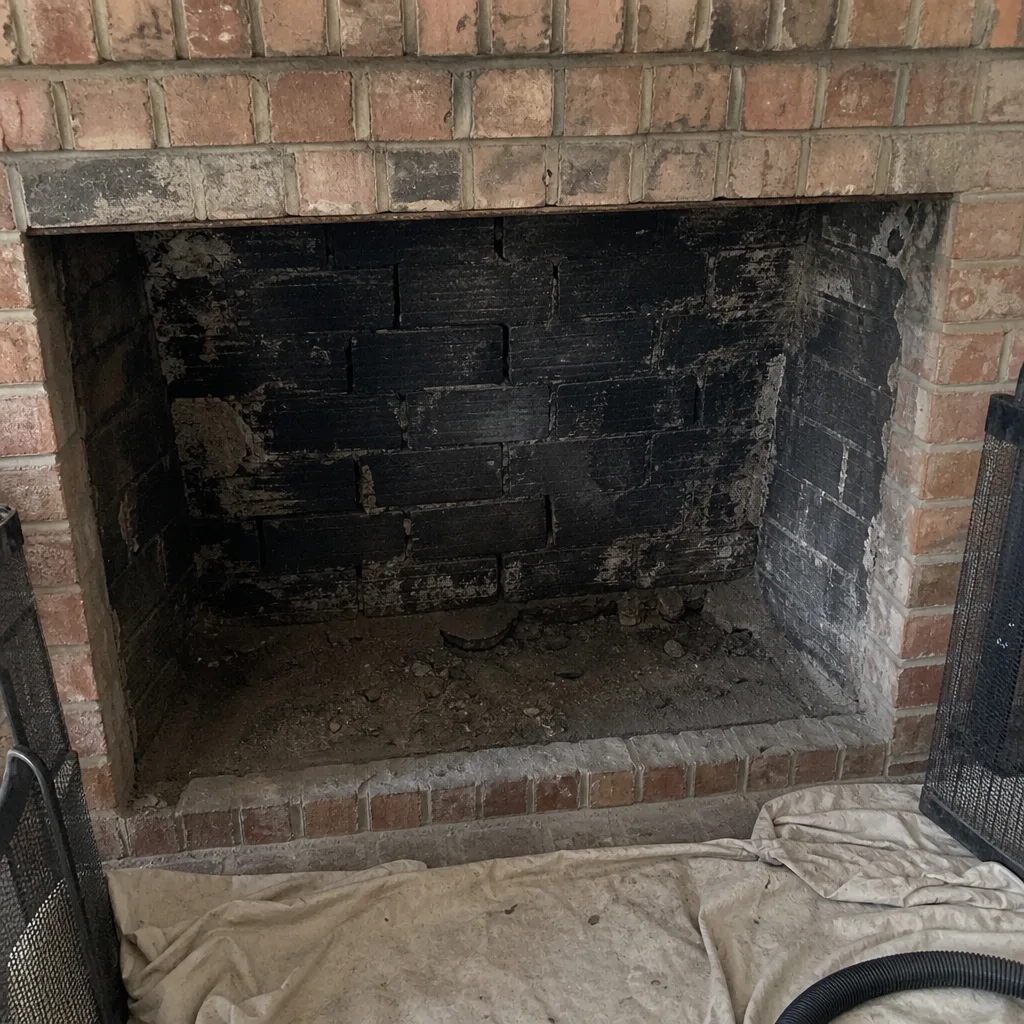 Before
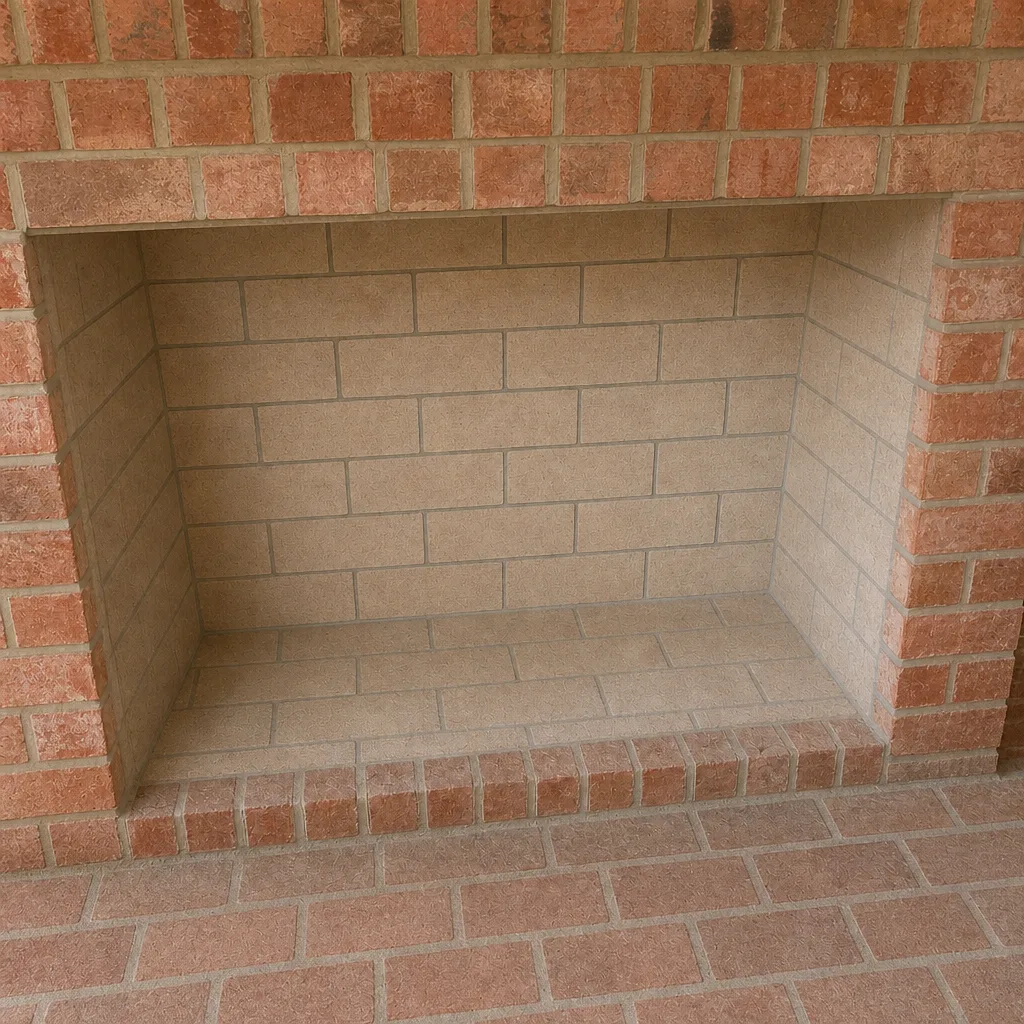 After
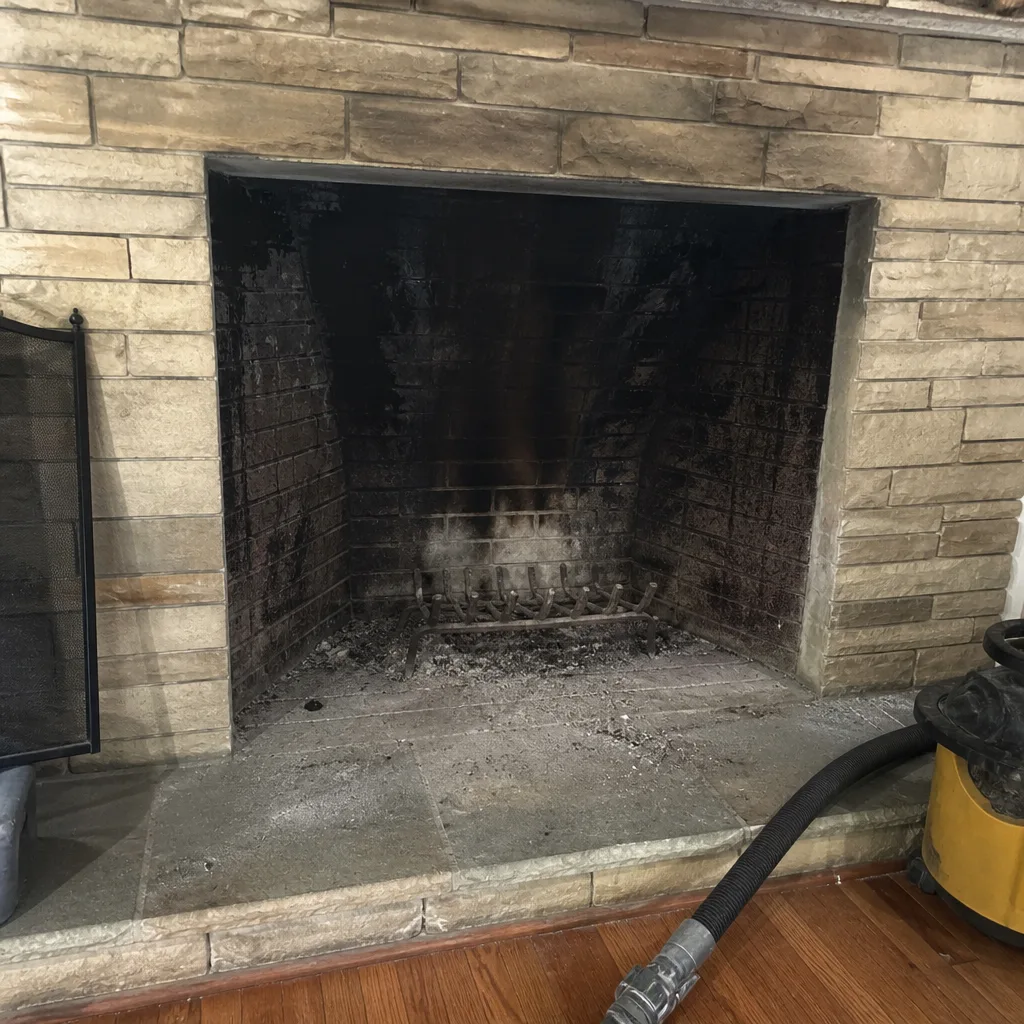 Before
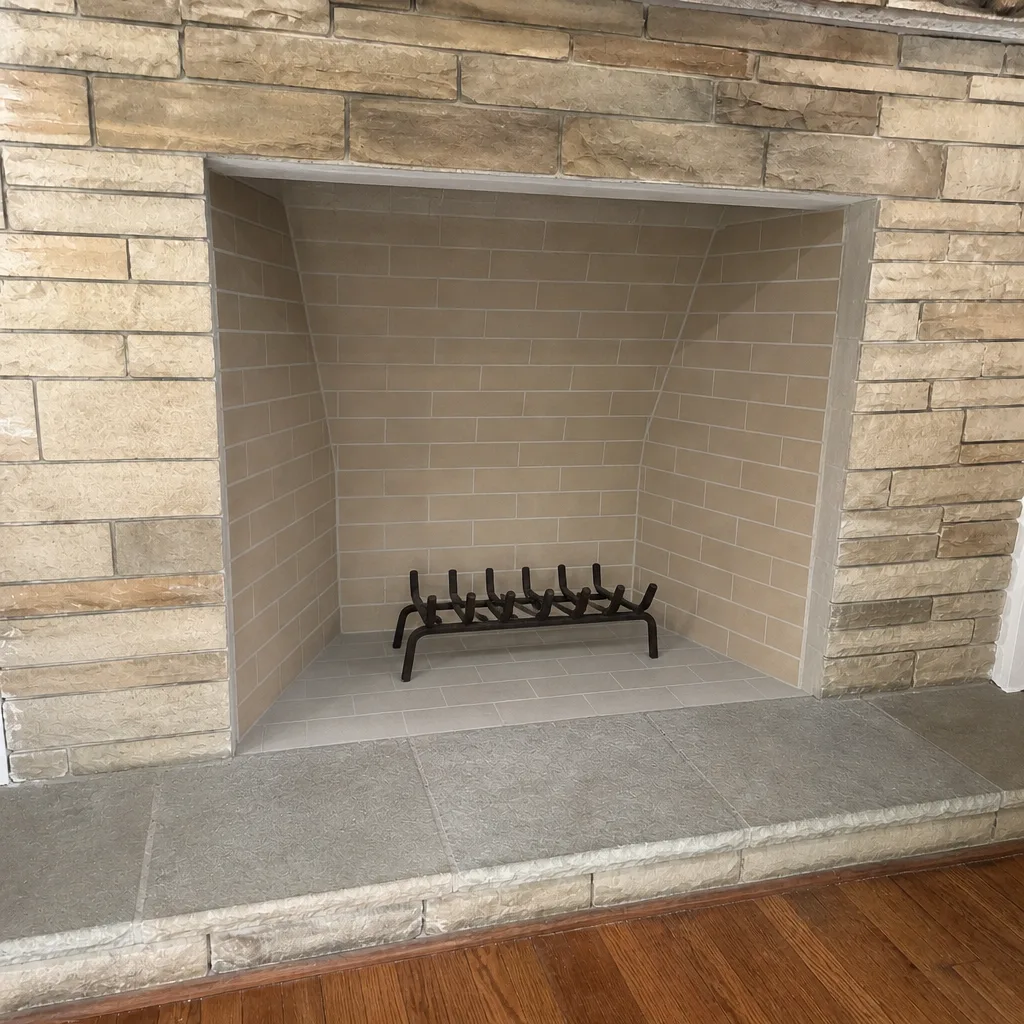 After
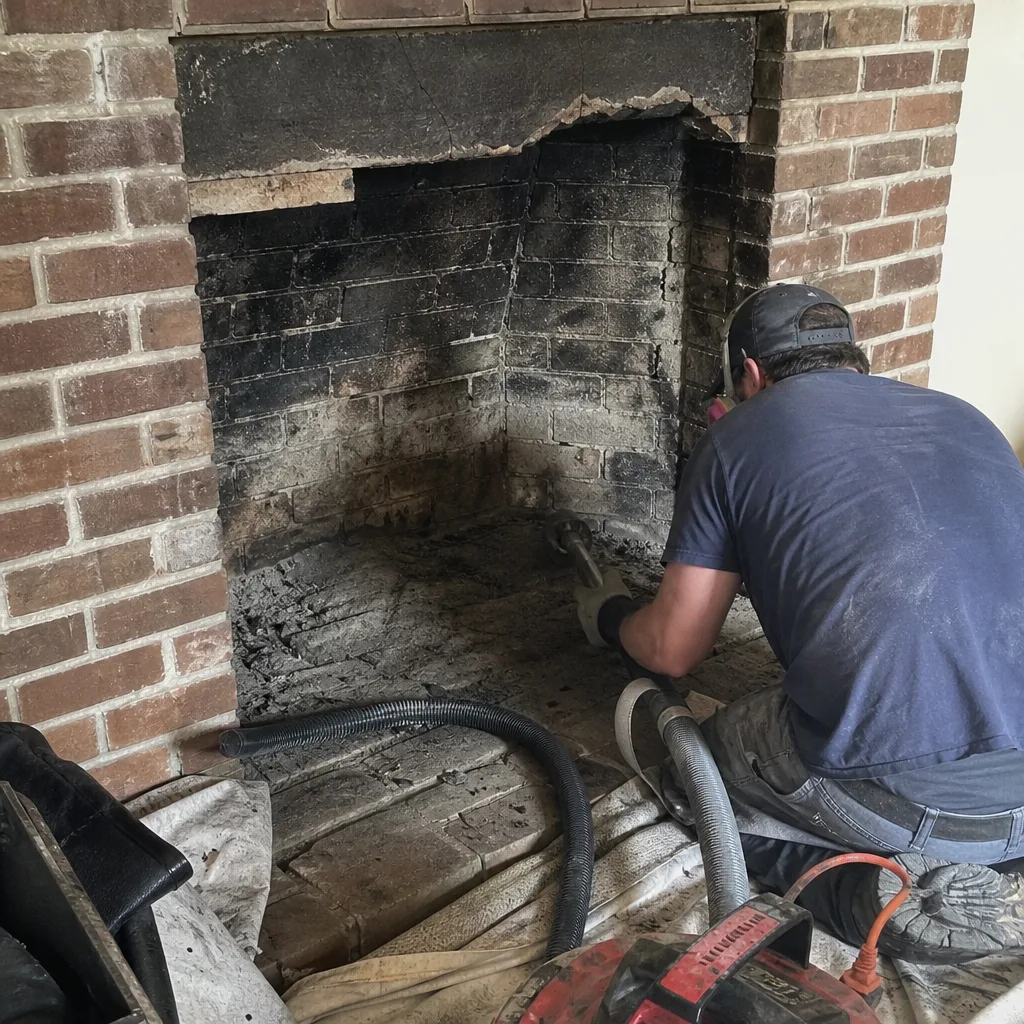 Before
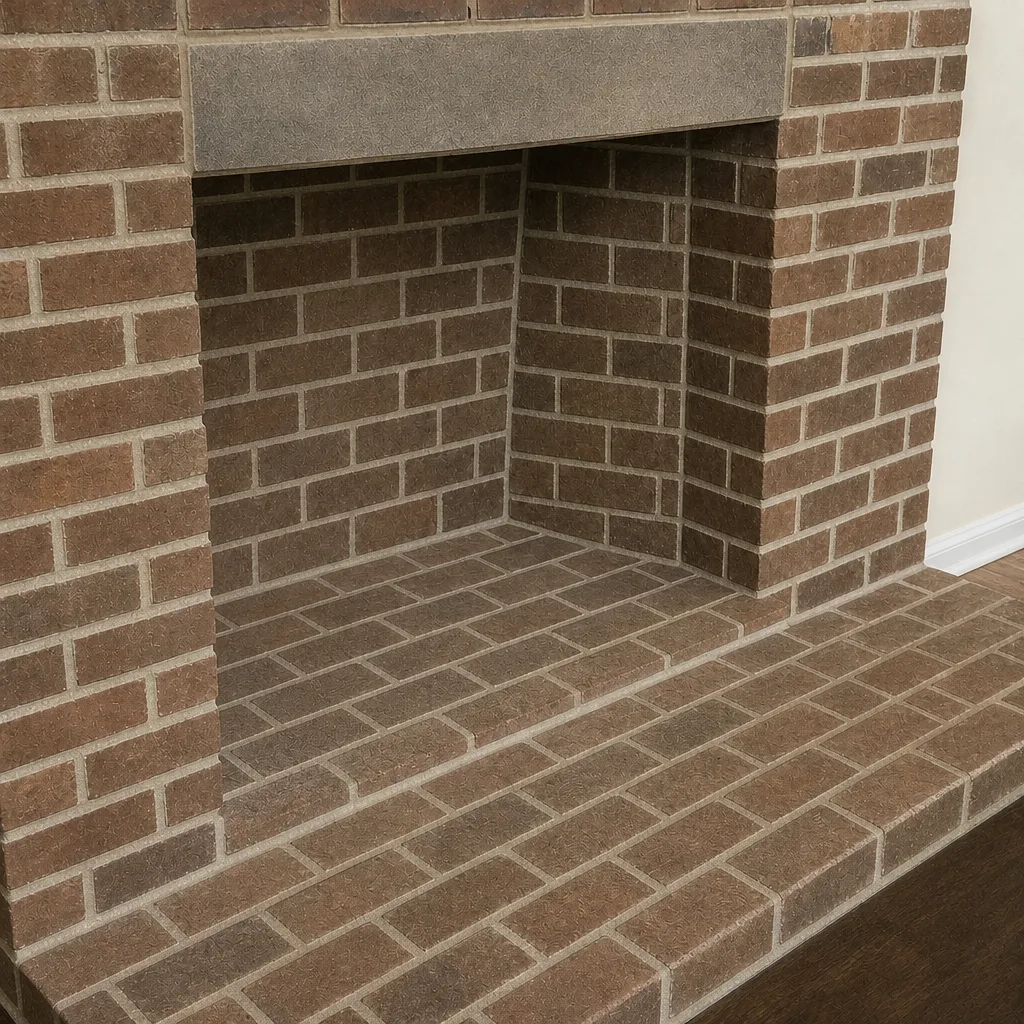 After
When to Call a Professional
Some chimney situations call for a cleaning, some for a repair, and some for both. Call a professional when:
- You hear a roar or popping sound from the firebox during a burn.
- You see creosote buildup inside the firebox or the flue – especially glazed, shiny black creosote.
- Smoke backs up into the room when the fireplace is lit.
- You notice a strong smoky smell in the house after a fire, or on warm days.
- Your carbon monoxide detector alarms and you have any combustion appliance, including a gas insert.
- You’re buying a home with an active fireplace or wood stove and the chimney hasn’t been inspected.
- It’s been more than a season since your last cleaning, or you burn more than a cord of wood a year.
- Your insurance carrier or home inspector flagged a chimney or dryer vent deficiency.
Louisville Chimney Cleaning offers free estimates in Louisville – call (844) 560-6386. We answer 24/7. Fast dispatch from 7am to 7pm, Sunday through Friday.
Frequently Asked Questions
Chimney cleaning in Louisville is priced per job based on the chimney’s access, flue configuration, and condition, with the price set by the written estimate. Some chimneys take one flue and a straight run; others have multiple flues, offsets, or heavy creosote that take longer. The written estimate is your final price, and there’s no charge for the estimate itself. Call (844) 560-6386 for an exact quote.
Most chimneys should be cleaned annually. Homes with heavy wood-burning use, or with wood stoves running through the winter, may need cleaning more frequently. Gas appliances need inspection annually even when there’s no visible soot, because the venting can fail silently. Call (844) 560-6386 to schedule an inspection and get a schedule recommendation for your specific system.
Not always, and the answer should come from a camera inspection with photographs, not a guess. A liner that has cracked or separated clay tiles needs repair to keep combustion gases out of the living space. Sometimes that means a full reline with a flexible stainless product like DuraFlex; sometimes it means resurfacing with HeatShield. Sometimes a liner is fine and nothing is needed. The evidence should support the recommendation – if you can’t see the crack, ask to. Call (844) 560-6386 to schedule an inspection.
A chimney sweep cleans the flue. A chimney contractor cleans, inspects, and repairs – which means they can diagnose what the camera finds and fix it in the same scope of work. In Louisville, where our older housing stock produces frequent reline and resurfacing recommendations, having both capabilities in one contractor saves significant coordination. Ask about repair capability before you book. Call (844) 560-6386 for a free estimate.
The danger isn’t theoretical: creosote builds up on the flue walls, and at certain thickness and form it ignites, producing a chimney fire that can crack tiles and reach the surrounding structure. Separately, a blocked or damaged flue can let carbon monoxide into the home. Neither risk is visible from inside the firebox. The safe answer is an annual inspection and cleaning. Call (844) 560-6386 to schedule yours.
Yes. Dryer vent cleaning is one of our three core services alongside chimney sweep and chimney repair, and it’s the same fire-prevention logic: lint in the duct is a documented ignition risk, and it doesn’t get better by itself. We schedule it separately from the chimney cleaning. Call (844) 560-6386 to book.
The Bottom Line
Hiring a chimney contractor isn’t a price comparison. It’s a scope-of-work comparison. The right contractor carries CSIA certification, works on gas appliances with appropriate credentialing, asks about the repair phase before you book the cleaning, and delivers an inspection report with photographs, a level classification, section-by-section findings, and recommendations named by product. The right contractor also works with professional-grade materials – HeatShield for resurfacing, DuraFlex for relining, Olympia Chimney, Gelco, and Famco for caps and venting hardware – because the materials determine the service life of the repair. Keep these standards in front of you, walk away from vague proposals and same-day pressure, and you’ll end up with one accountable contractor for one chimney system.
Most of the repair work we do in Louisville starts as a cleaning that turned up something. If you’ve been putting off the cleaning because you dread the second phone call, call us instead. We handle the sweep, the camera inspection, and the repair under one scope of work, and we’ll show you what we found before we recommend anything.
Contact Louisville Chimney Cleaning at (844) 560-6386 for a free estimate. We answer 24/7. Fast dispatch from 7am to 7pm, Sunday through Friday. Whether you’re in Old Louisville, the Highlands, or anywhere else across the city, we’ll book the sweep, arrive with the camera equipment, and walk you through what’s actually inside your chimney – then fix it if it needs fixing.
Written by the team at Louisville Chimney Cleaning.