
Last updated November 15, 2026
 Sweep & inspection
 Caps & crowns
 Flue relining
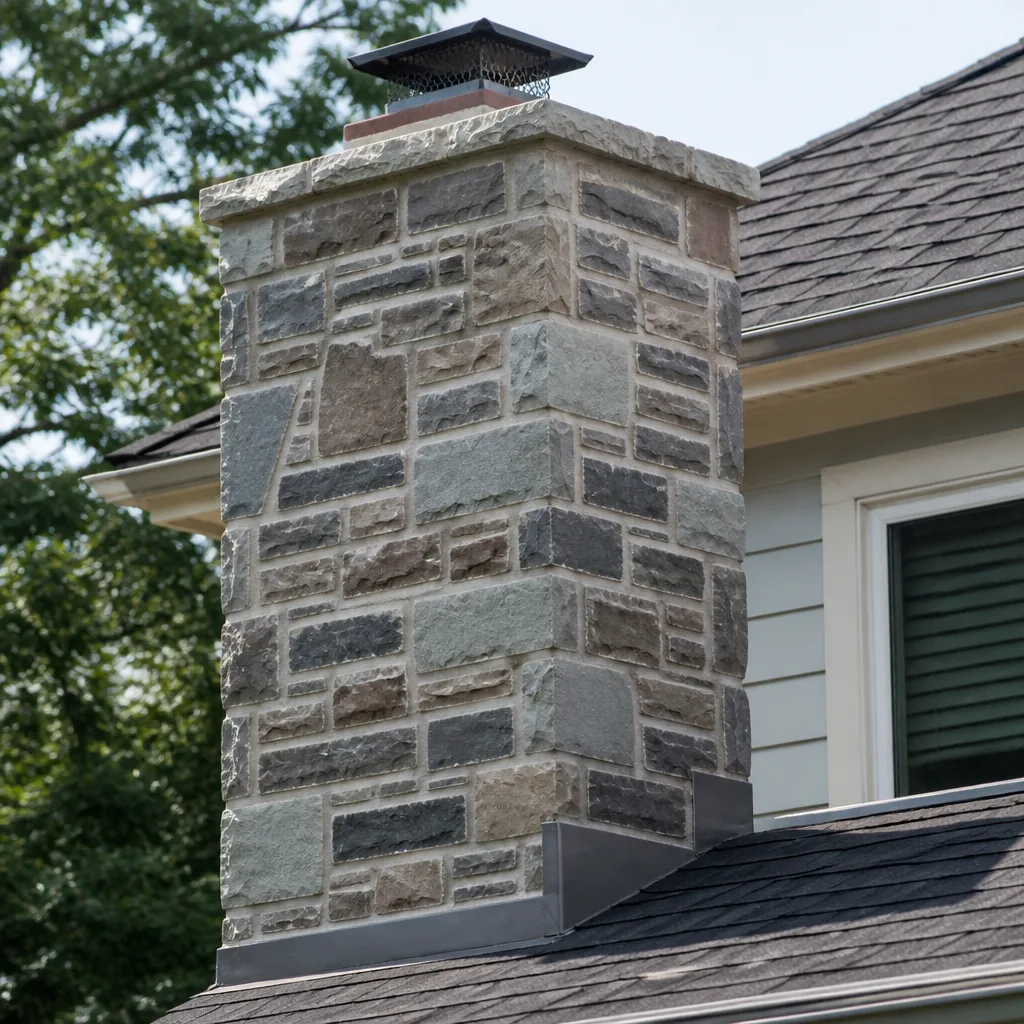 Masonry repair
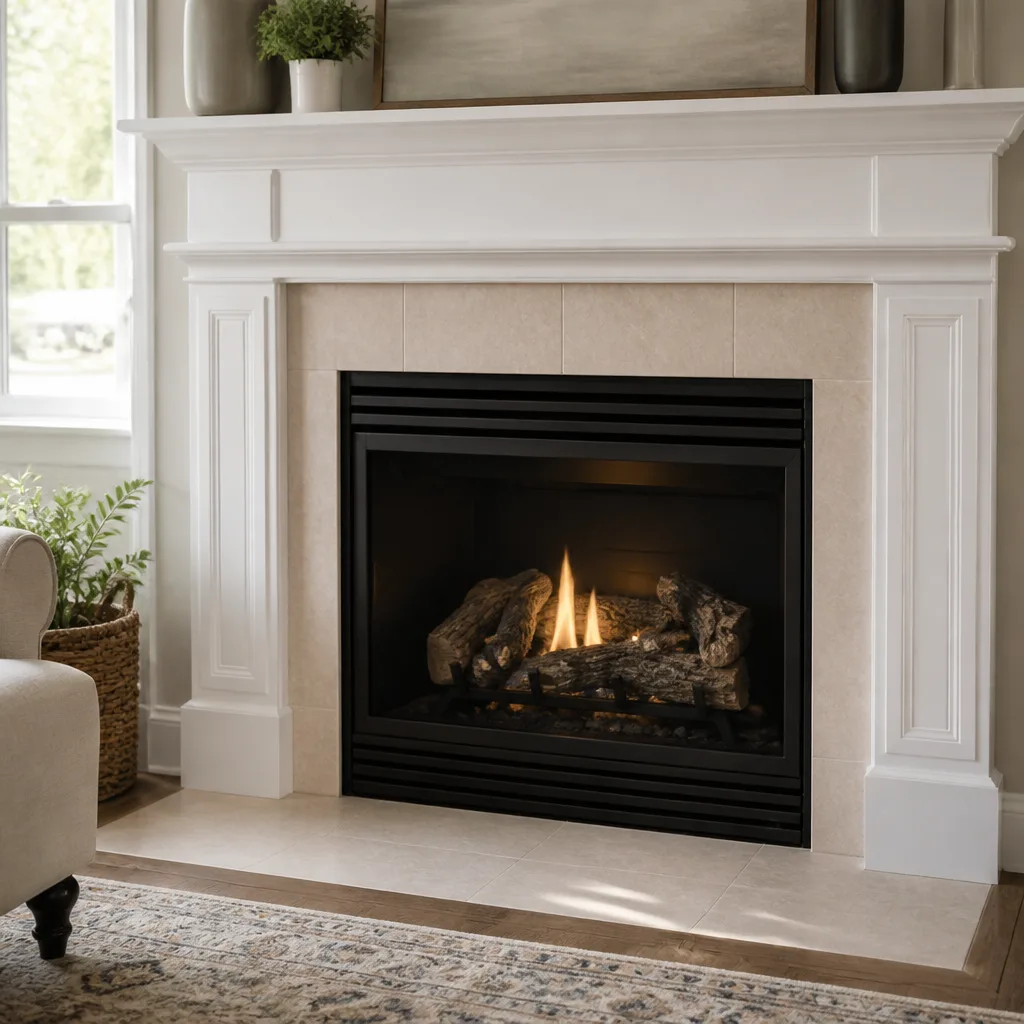 Gas fireplace service
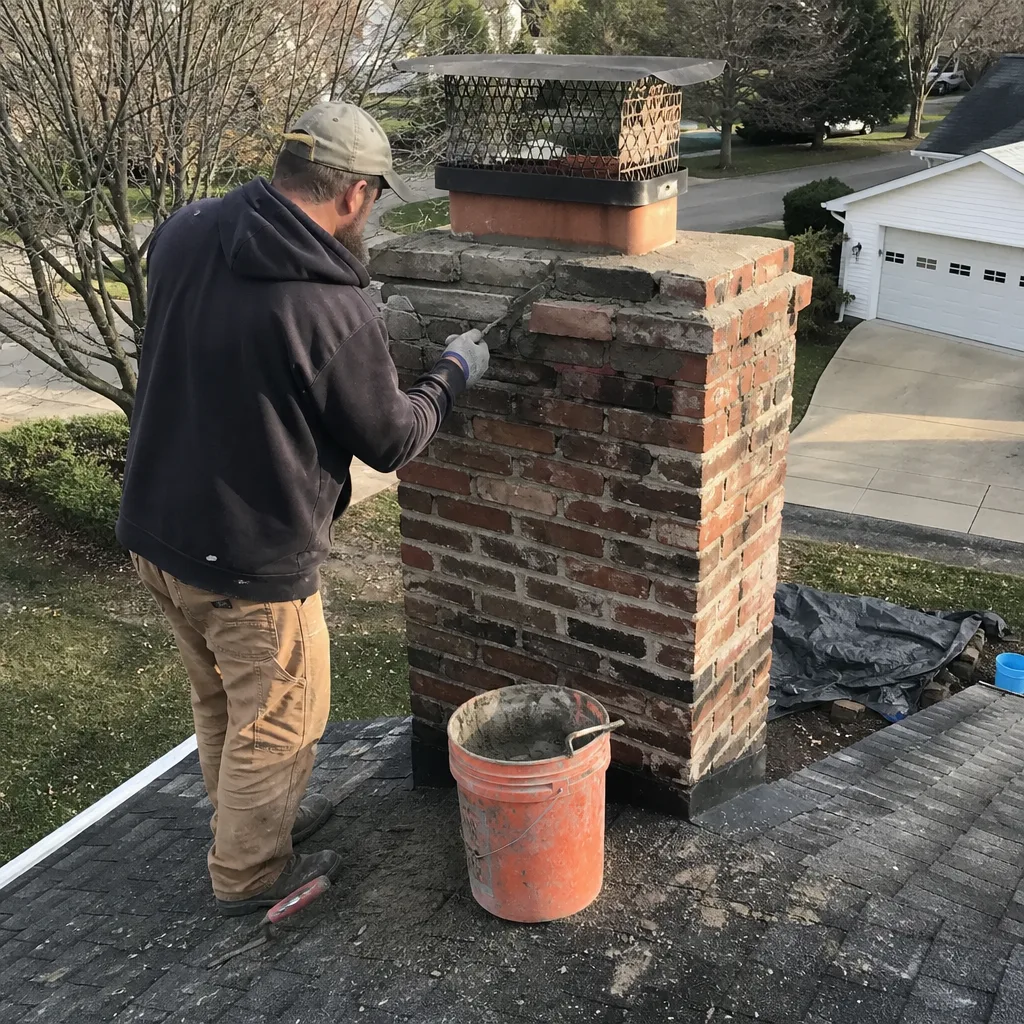
Level 1 sweep and inspection to the NFPA 211 annual standard - flue, crown, cap, and flashing checked and photographed
Chimney sweep logs do not sweep chimneys. They loosen some creosote - which then falls where a brush and vacuum still have to collect it.
Chimney Cleaning Emergency Preparedness Guide for Louisville Homes
The most dangerous moment in a chimney fire isn’t the flames you see. It’s the hour after, when the fire looks out and the homeowner assumes the chimney is fine. Slow-burning chimney fires can smolder inside creosote deposits and the framing around the flue long after the firebox goes dark, and that’s when a compromised liner does its real damage. This guide covers the 48 hours before and after a severe weather event or a fire event in Louisville: what to do, in what order, and which assumptions get homeowners into trouble.
Quick Answer
After any chimney fire, severe wind event, or tornado warning in Louisville, do not use the fireplace again until a Level 2 inspection with camera documentation confirms the flue, liner, smoke chamber, and crown are intact. If a fire is actively burning, close the damper, get everyone out, and call 911 before anything else. Storm events call for a visual check of the cap and crown once it’s safe to go outside.
Styles & brands we work with
- Sweep & inspection
- Caps & crowns
- Flue relining
- Masonry repair
- Gas fireplace service
Table of Contents
- What to do in the first minutes of a chimney fire
- After the fire looks out: the inspection that decides everything
- What a Level 2 inspection actually checks
- Severe weather and tornado preparedness for Louisville chimneys
- What a use-prohibiting condition looks like on a report
- The proper repair sequence before use resumes
- Emergency contacts and documentation to keep ready
- Common mistakes to avoid
What to do in the first minutes of a chimney fire
Order matters. In a chimney fire, the sequence below is the difference between a contained event and a structural one. Every adult in the house should know it before the season starts.
- Get everyone out of the house. This comes first, before the damper, before the phone. Call 911 from outside.
- Close the damper if you can safely reach it. Cutting the air supply starves the fire, but only do this if the fireplace is right there and you’re not moving through smoke. If the chimney is already roaring or the firebox is glowing, leave it and leave.
- Do not open the fireplace doors to check on the fire. Opening the doors feeds oxygen into a fire that’s already venting up the flue, and it can push flames and smoke into the room.
- Do not throw water on the fire. Water on a masonry chimney can crack firebrick and mortar through thermal shock, and a cracked flue is what turns a contained chimney fire into a house fire later. If the fire has escaped the chimney, that’s a fire department call, not a bucket call.
- Stay out until the fire department clears the house. Even after the fire looks out.
Once the fire department has come and gone, the event isn’t over. A chimney fire that appears to burn itself out can keep smoldering in creosote and in any framing near the flue for hours. The fire department will tell you the house is safe to re-enter. It will not tell you the chimney is safe to use, and those are two different things. In our experience across Louisville’s older housing stock, the chimneys that fail hardest are the ones that get used again the same week.
After the fire looks out: the inspection that decides everything
A chimney fire is a stress test on every component of the chimney system (the flue, the liner, the smoke chamber, the crown, and the firebox), and no one can tell you what survived by looking up from the hearth. That’s why a Level 2 inspection with camera documentation is the standard before the chimney is used again.
A post-fire inspection looks for specific damage:
- Liner fracture. Creosote burns hot, and a clay tile liner can crack along a seam or spiderweb across a tile. A cracked liner lets heat and carbon monoxide into the framing and the living space.
- Mortar displacement at the smoke chamber. The smoke chamber, the sloped transition above the damper, is the most common place for spalling and displaced mortar after a fire. It’s also the hardest place to inspect without a camera.
- Structural compromise at the crown and flue top. The crown is the concrete cap on top of the masonry stack. A hot fire can cause it to crack, which lets water in and sets off freeze-thaw damage over the next winter.
- Warped or buckled metal liners. A prefabricated stainless liner can warp under a chimney fire’s temperatures.
We repair what we find, which matters here because most post-fire inspection results in Louisville aren’t just “clean it and move on.” A cracked flue often needs relining with a flexible stainless product like DuraFlex, and smoke chamber damage is what HeatShield resurfacing is made for. Calling a sweep-only operation gets you a report and a phone number for a separate mason. Calling Louisville Chimney Cleaning gets you the inspection and the repair decision on the same visit.
What a Level 2 inspection actually checks
A Level 1 inspection is what you get with a routine sweep: a visual check of the accessible parts of the chimney, no camera, no tools beyond a brush. A Level 2 is the standard after a chimney fire, a severe weather event that damaged the chimney, a change of fuel type, or a home sale. It includes a video camera scan of the entire flue interior and it’s the inspection your insurance carrier will ask for.
Here’s what a proper Level 2 covers in a Louisville home:
- Full flue scan from the firebox up to the top, with camera footage you can see yourself. Don’t take anyone’s word for a crack. Ask to watch the scan.
- Smoke chamber and damper inspection with a light and mirror or camera, because that’s where a fire does its quietest damage.
- Crown, cap, and flashing from the roof, checking for cracks in the crown, a rusted or missing cap, and pulled or rusted flashing.
- Chimney exterior and joints for spalling brick, missing mortar, and any lean in the stack.
- Clearances to combustible material at the roof line and in the attic, where a hidden gap is a real hazard.
- Firebox condition for cracked firebrick, failed refractory mortar, and gaps between the firebox and the surrounding masonry.
A written report with photos should follow the inspection. If the report recommends thousands of dollars of liner or masonry work, you should be able to see exactly why in the camera footage. If you can’t, get a second opinion before you sign.
Severe weather and tornado preparedness for Louisville chimneys
A tornado warning is a warning for the chimney too. Louisville’s spring and summer storm systems bring high wind and downbursts that hit the top of the chimney system first, and the cap and crown are the two parts most likely to fail.
What to check once the storm passes
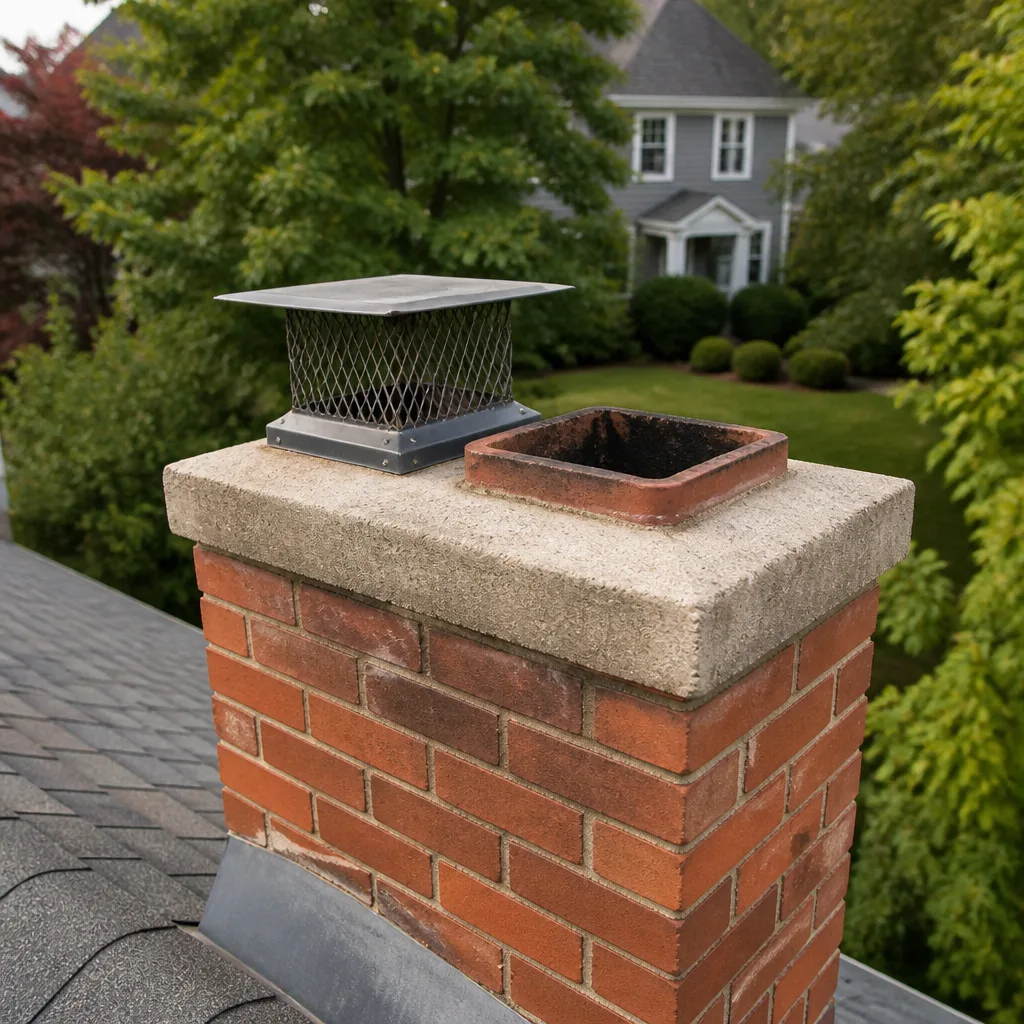
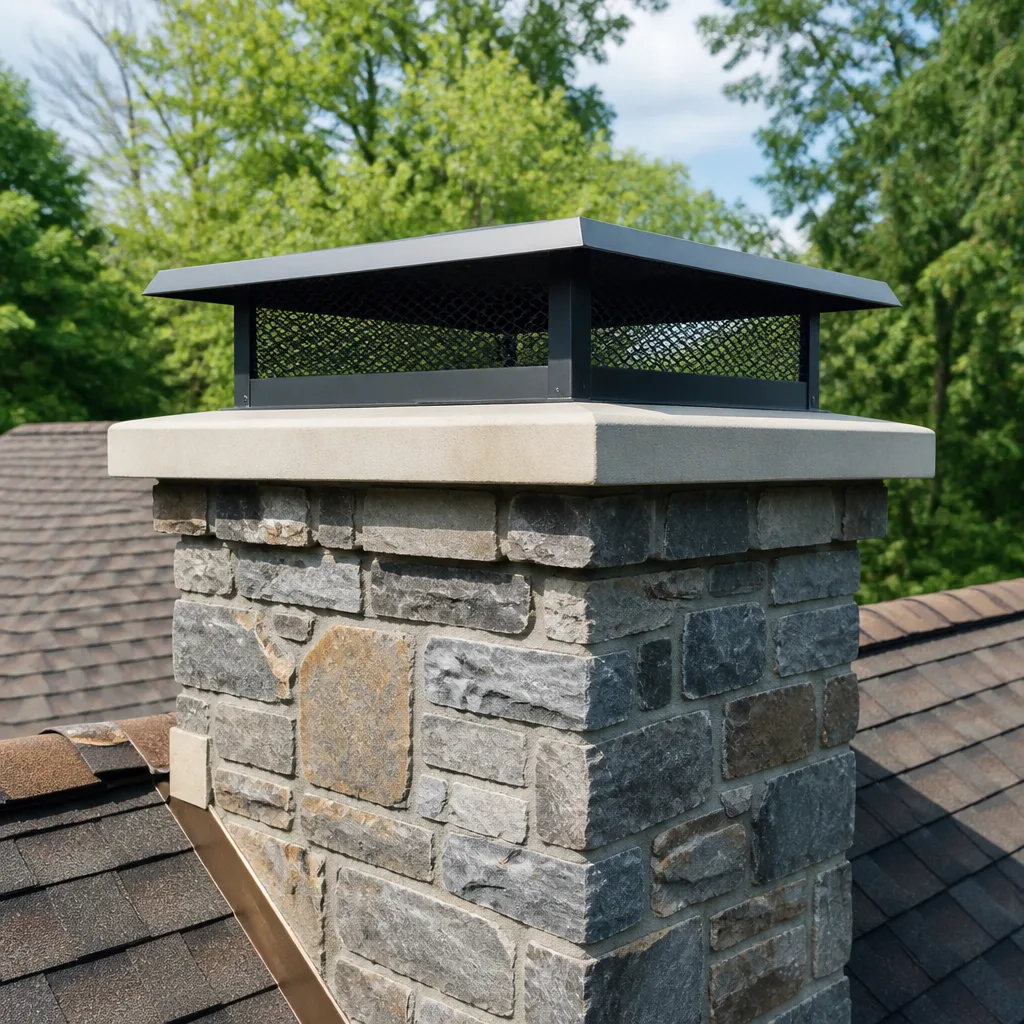
- The cap. A missing or bent cap lets rain, birds, and squirrels straight into the flue. If the cap is gone, don’t burn until it’s replaced. Famco and Gelco caps are the professional-grade kind; a hardware-store substitute tends to rust or bend at just the next gust.
- The crown. Look for new cracks, chunks missing at the edge, or a crown that looks shifted off the top course of brick.
- The flashing where the chimney meets the roof. Lifted flashing is a roof leak waiting to happen. It’s also an easy thing to miss from the ground.
- The stack itself. A leaning chimney, new cracks at the roofline, or brick sitting out of line means the top needs a proper look, not a ladder and a pair of binoculars.
- Downed limbs against the stack. Look for cracked masonry at the point of impact, not just a branch to haul away.
Louisville’s freeze-thaw cycle is what does the long-term damage. Water gets into a hairline crown crack, freezes, expands, and opens the crack further by spring. In a city where winter temperature swings of thirty degrees in a day aren’t unusual, a small crown crack can turn into masonry work over a few seasons. That’s why the post-storm check is worth an hour of your time, and worth a professional inspection if anything looks off.
What a use-prohibiting condition looks like on a report
A “use-prohibiting” condition is an inspection finding serious enough that the chimney shouldn’t be used at all until it’s repaired. It’s not a code technicality. It means the chimney can’t safely contain the fire or vent the exhaust, and the failure mode is a house fire or carbon monoxide inside the occupied space. The typical findings that get a chimney flagged:
- A cracked or separated flue liner anywhere along its length.
- Displaced or missing mortar at the smoke chamber.
- Failed refractory mortar at the firebox joints.
- A crown that’s cracked through or separated from the stack, letting water into the masonry.
- Missing, damaged, or undersized cap that doesn’t keep out weather and animals.
- A chimney with no liner at all, common in some of Louisville’s older homes.
- Blocked or heavily glazed flue with third-stage creosote, if the sweep can’t safely remove it.
When a report carries one of these, the chimney should be shut down until the fix is done. That means no fires, and it also means running a gas appliance tied to that flue with care, because a gas insert vents carbon monoxide the same way a wood fire vents smoke. If you’re told your chimney is in a use-prohibiting condition, ask to see the photo or video evidence, ask what the exact failure is, and ask what the repair sequence is. A homeowner who needs to make the call should have all three.
The proper repair sequence before use resumes
Chimney repairs aren’t interchangeable, and the order matters. Fix the wrong thing first and the money goes nowhere. For a post-fire or post-storm chimney, the sequence we work through goes like this.
- Sweep and clear the flue. You can’t evaluate a liner with creosote in the way. The chimney sweep comes before the inspection, not after.
- Camera-inspect the cleaned flue. Now you have a clear look at every seam, joint, and transition in the liner.
- Address structural issues at the top. Crown, cap, and flashing, then the flue interior. Water entry at the top undoes interior repairs if it’s not stopped first.
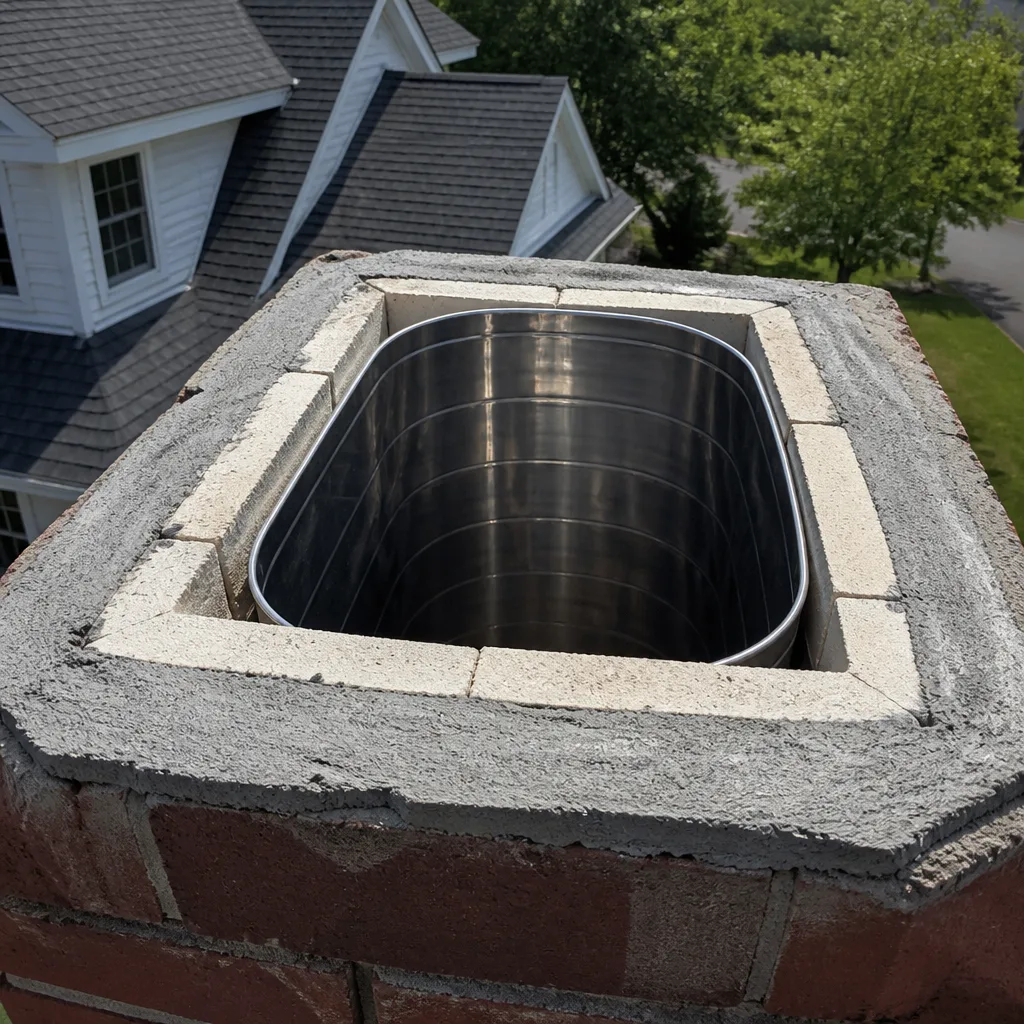
- Relining, if the liner has failed. A DuraFlex liner is a flexible stainless system that goes inside the damaged flue. It’s a structural repair, not a coating.
- Resurfacing, if the smoke chamber or firebox has spalled. HeatShield resurfacing is a certified flue-repair system applied to mortar-joint damage and smoke chamber spalling, and it’s specified to a documented standard, not smeared on as a patch.
- Re-inspection. Before the fireplace is relit, the work should be checked against the original inspection findings. That’s the reinstatement step, and no chimney is truly back in use until it’s done.
Most Louisville homes we inspect need only one or two of these, and sometimes the answer is that a minor finding can safely wait a season. If you’re told you need a full reline, look at the camera footage first. If the liner is sound, the liner should be left alone.
Emergency contacts and documentation to keep ready
The 48 hours around an event go sideways when the homeowner is scrambling for contact numbers and photos after the fact. Keep the following ready before the season starts, not after the fire.
- A certified sweep’s direct number, on your phone and on a note near the fireplace. We answer 24/7, so call (844) 560-6386 and you’ll reach us.
- Your insurance carrier’s chimney claim line. A chimney fire claim usually needs an inspection report with camera evidence, and photos of the firebox and the flue top help the claim move.
- Photos from before the event. A clear shot of the crown, cap, and chimney top from the ground is worth ten photos taken from inside a smoky room.
- Photos from immediately after. The firebox interior, the damper, the hearth, and the chimney top from outside. Take them before anyone touches anything, including you.
- The last inspection report. If a chimney was already flagged for a liner concern and a fire event followed, that report is the single most useful document you own.
Your insurer may also flag dryer vent deficiencies alongside the chimney, and that’s a fire risk in the same conversation. dryer vent cleaning is a named service here specifically because lint buildup in a vent run ignites the same way creosote in a flue does. If a home inspection has already flagged a vent, get it sorted before an event, not after.
Common Mistakes to Avoid
- Assuming a chimney fire is out because the flames stopped. Creosote can smolder inside the flue for hours after the firebox looks dark, and the framing near the flue is the part that fails. Stay out until the fire department clears the house.
- Using the fireplace the next day “since the fire was small.” A small fire still stresses a liner, and a hairline crack from a prior fire gets worse with the next one. Wait for the inspection.
- Using water on a masonry chimney fire. Thermal shock cracks firebrick and mortar, and you’re trading a contained fire for a structural one. Close the damper and get out.
- Skipping the roof check after a storm. A missing cap and a cracked crown are the two most common post-storm findings in Louisville, and both are easy to miss from the ground.
- Accepting a “use-prohibiting” report without seeing the evidence. Ask for the camera footage or photos of every recommended repair. If the inspection can’t show you the problem, don’t pay for the fix.
- Calling a sweep-only operation and a separate mason for the same job. Cleaning and repair aren’t the same, but they belong on the same visit. Two contractors means two diagnoses and a hand-off in the middle.
- Forgetting the dryer vent until the chimney is done. Lint is a fire accelerant with a shorter fuse than creosote, and it’s the part most chimney companies never touch.
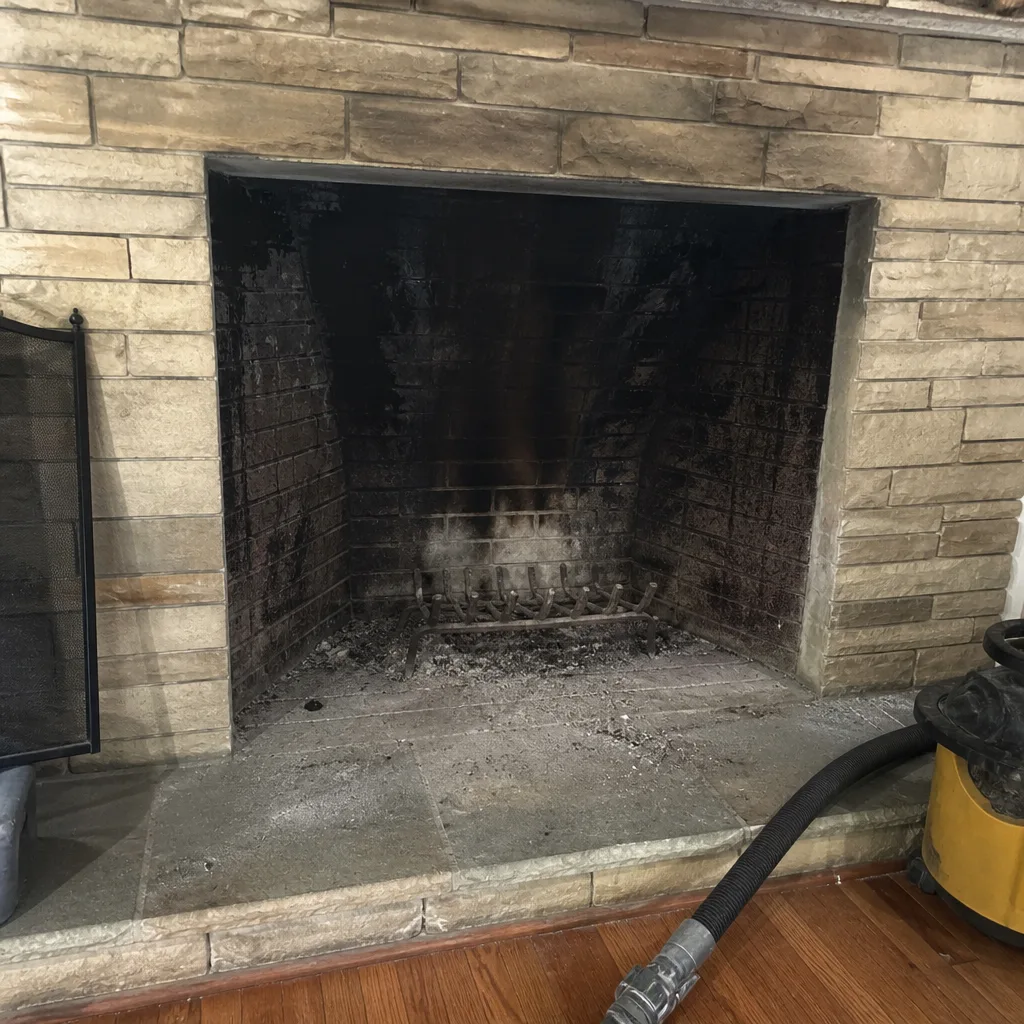
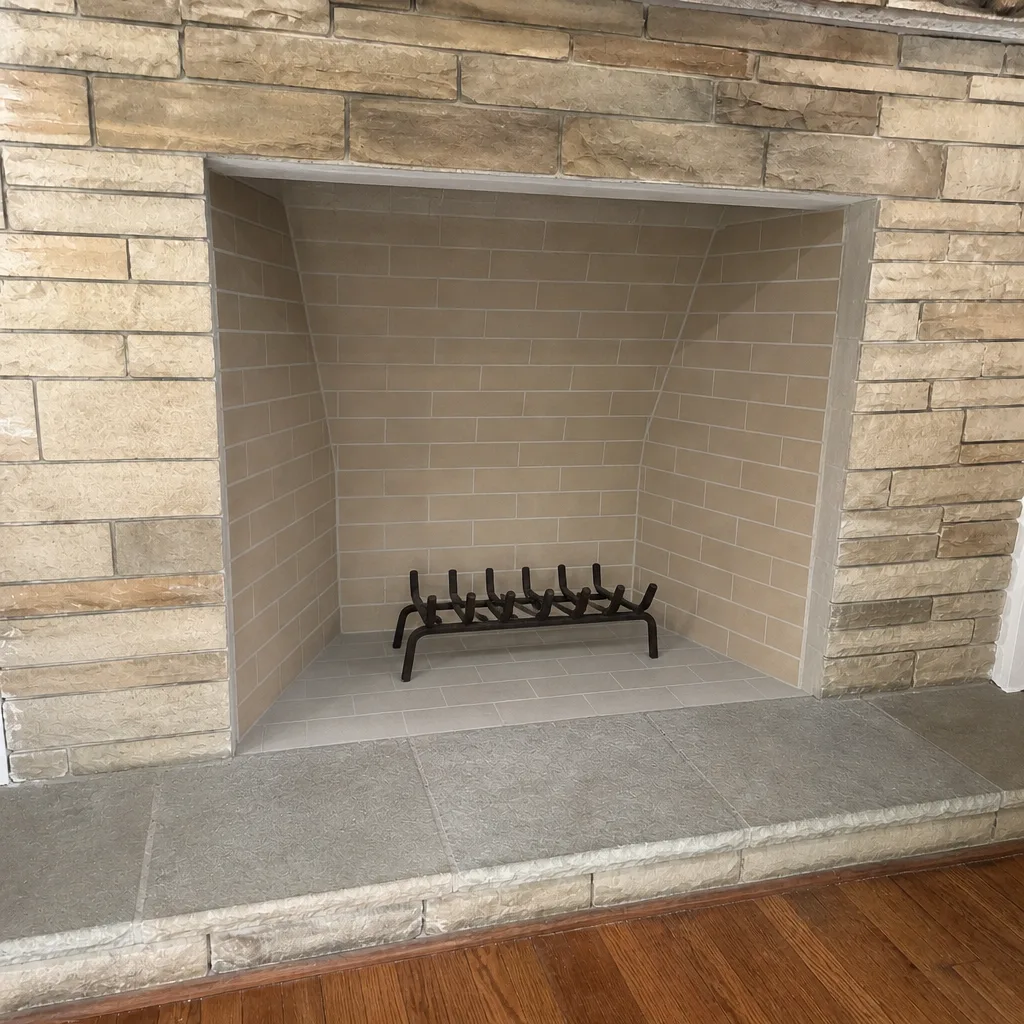
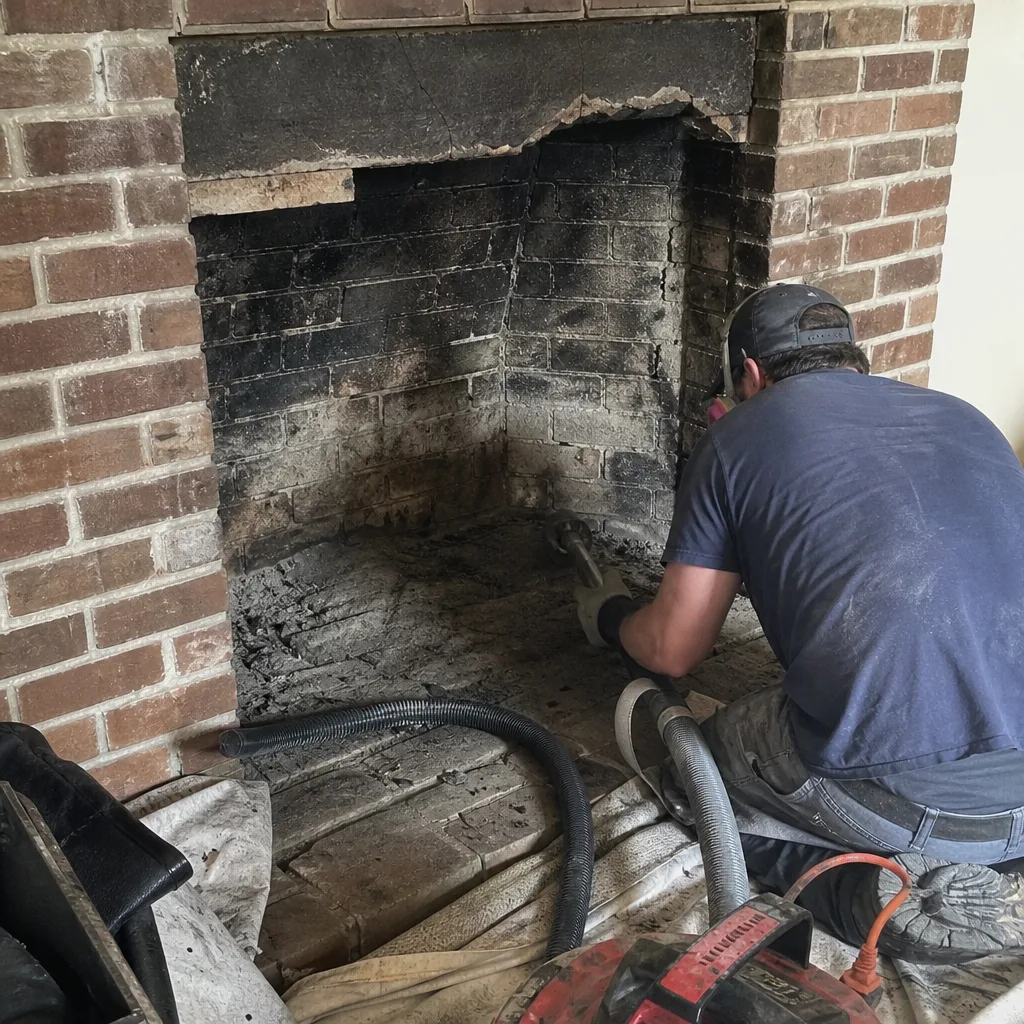
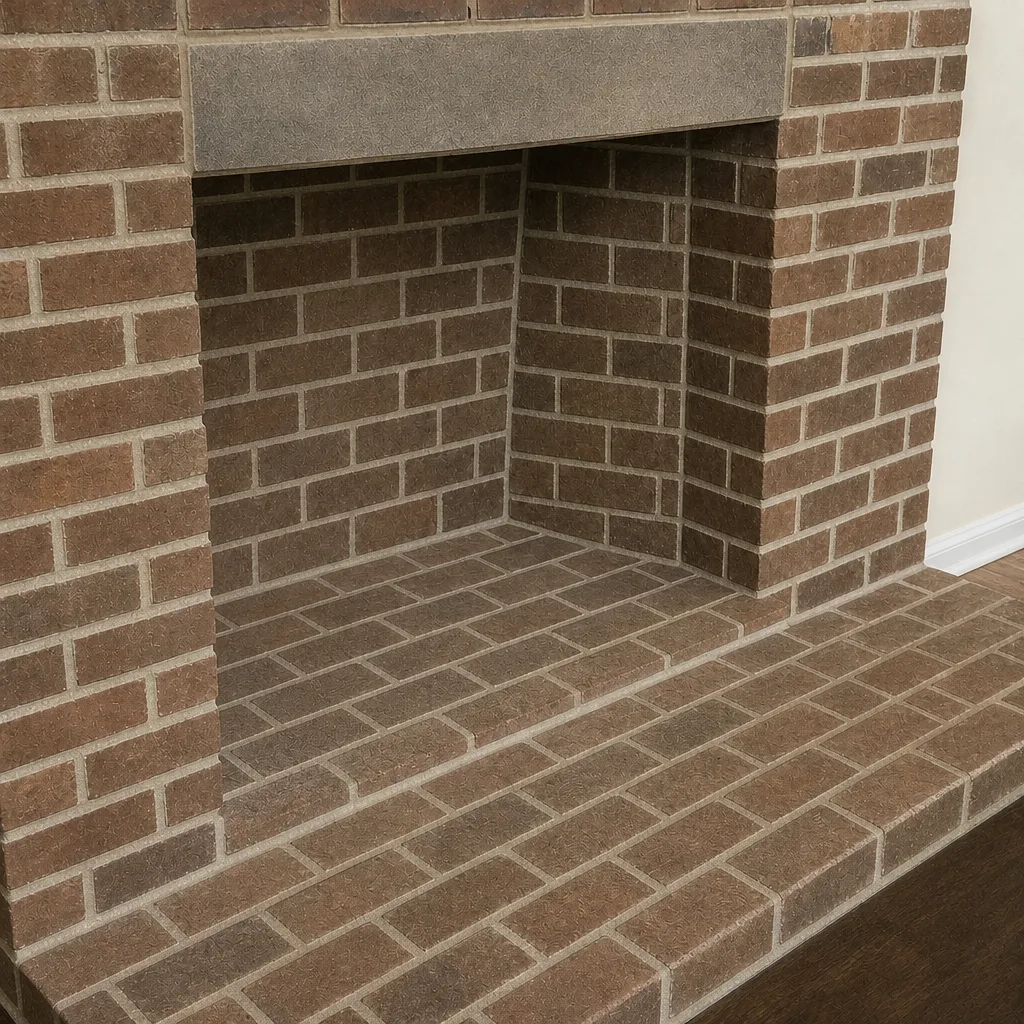
See the difference
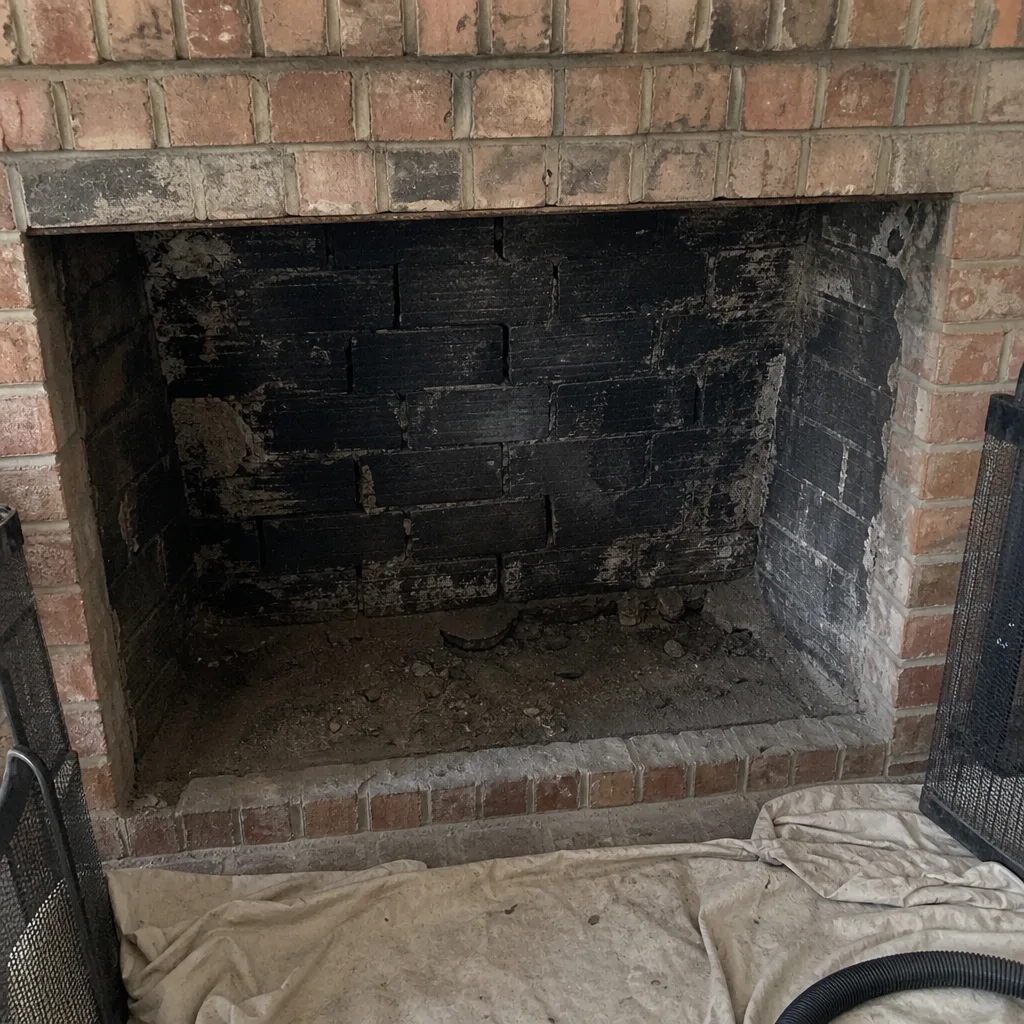 Before
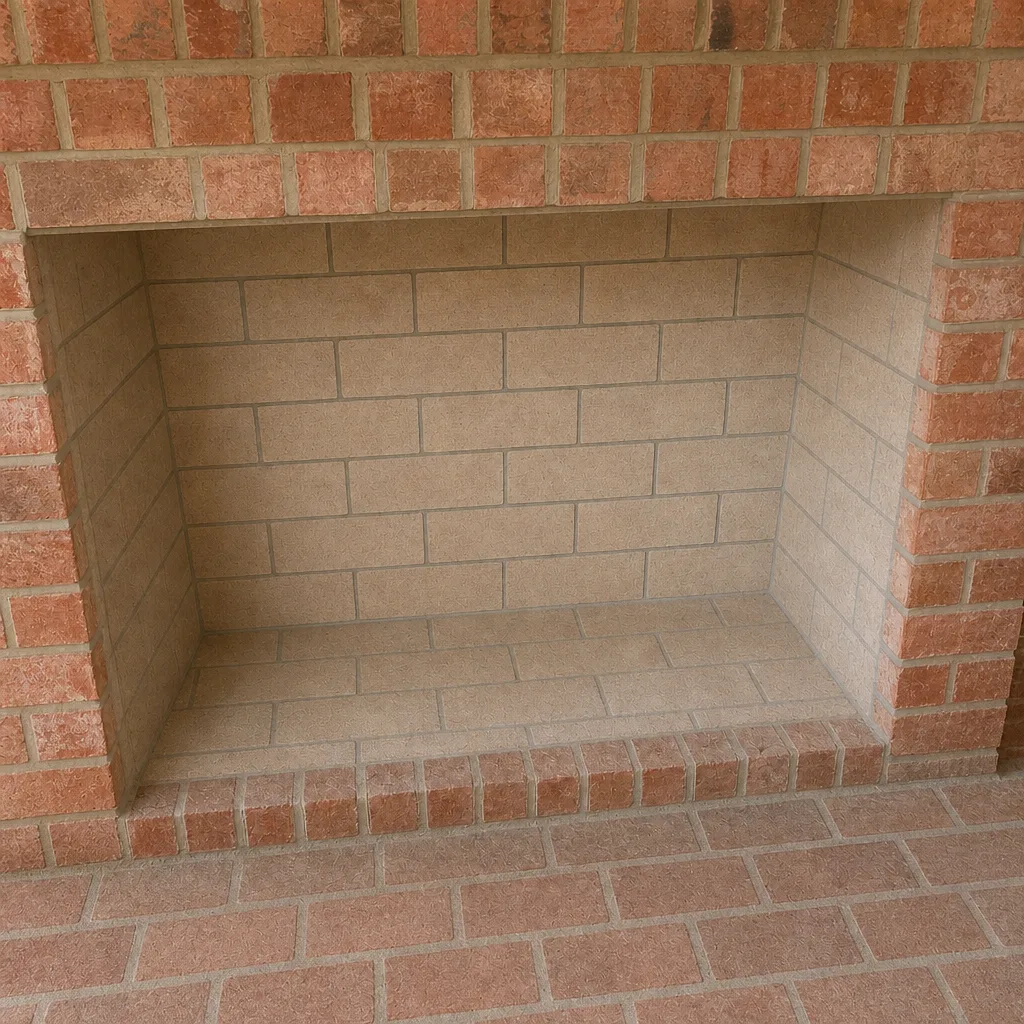 After
 Before
 After
 Before
 After
When to Call a Professional
Call us after any chimney fire, even an “easy” one. Call after any severe weather event where the chimney top took damage. Call when a home inspector or insurance carrier has flagged the flue, the cap, or the crown. Call when a gas insert, wood stove, or an older masonry fireplace hasn’t had a Level 2 inspection in a while. And call before the season begins, when a routine sweep with camera documentation catches the small stuff before it becomes a repair. Louisville homes with older chimneys benefit most from an annual sweep, since liner and masonry age together. Louisville Chimney Cleaning offers free estimates in Louisville. Call (844) 560-6386. We answer 24/7. Fast dispatch from 7am to 7pm, Sunday through Friday. Closed Saturday.
Frequently Asked Questions
Close the damper if you can safely reach it and the fireplace is right in front of you; otherwise get out first. Cutting the air supply starves the fire, but moving through smoke to reach it is not worth the risk. Call 911 from outside before anything else.
No. No chimney should be used again after a fire until a Level 2 inspection with camera documentation confirms the liner, smoke chamber, and crown are intact. A “small” fire still stresses a liner, and the damage isn’t visible from the firebox. Call us for an inspection before the next burn.
A cracked or separated flue liner needs a relining system like DuraFlex, while smoke chamber and mortar-joint damage can call for HeatShield resurfacing instead. The camera scan is what decides, and you should see it before you approve the work.
A tornado warning calls for a visual check of the cap, crown, and flashing once it’s safe to go outside. If anything looks cracked, missing, or shifted, get a professional inspection. If everything looks intact, a routine sweep covers the rest.
Photograph the firebox interior, the damper, the hearth, and the chimney top from outside before anyone touches anything. Take those photos before you sweep or clean, because the evidence is what your insurance claim and the post-fire inspection are built on.
Lint ignites in a dryer vent the same way creosote ignites in a flue, and both are household fire risks most homeowners forget between seasons. dryer vent cleaning applies the same fire-prevention framework to a vent run that chimney work applies to the flue. If a home inspector flagged either one, get it addressed before it becomes an event.
The Bottom Line
In the 48 hours around a chimney fire or severe storm, a Louisville homeowner’s job is simple: get everyone out, do not use water on a masonry fire, and do not use the chimney again until a Level 2 inspection with camera documentation clears it. After the storm, check the cap, crown, and flashing. If a report says your chimney is in a use-prohibiting condition, ask to see the evidence and the repair sequence. Clean, inspect, repair, and reinstate in the right order. Call (844) 560-6386 for a free estimate before you light the next fire.
Written by the team at Louisville Chimney Cleaning.