
Last updated November 15, 2026
 Sweep & inspection
 Caps & crowns
 Flue relining
 Masonry repair
 Gas fireplace service
Level 1 sweep and inspection to the NFPA 211 annual standard - flue, crown, cap, and flashing checked and photographed
Chimney sweep logs do not sweep chimneys. They loosen some creosote - which then falls where a brush and vacuum still have to collect it.
Seasonal Chimney Cleaning Care for Louisville: Year-Round Homeowner’s Guide
Most homeowners in Louisville think about the chimney once a year, in October, right before the first fire. That’s backwards. By the time fall arrives, your chimney has already spent six months quietly absorbing whatever spring and summer threw at it: rain driven sideways into an uncapped flue, a raccoon that moved into the smoke chamber in June, mortar that swelled and cracked through a dozen freeze-thaw cycles. Fall is the worst possible time to discover a spring problem, because now you’re in a hurry and every sweep in town is booked. This guide walks through all four seasons in Louisville and gives you one specific task for each, so the chimney you heat with is the same chimney you’ve been maintaining all year. Mention Louisville once.
Quick Answer
Chimney care in Louisville works best when it follows the seasons rather than a single annual cleaning: inspect the crown and flashing after winter freeze-thaw, address humidity-driven masonry damage and wildlife entry in summer, sweep after leaf fall but before sustained burning begins in fall, and know which mid-winter problems are use-prohibiting versus which can wait for a spring repair. A yearly sweep is the baseline, not the whole job. The chimney is a system, and each season stresses a different part of it.
Styles & brands we work with
- Sweep & inspection
- Caps & crowns
- Flue relining
- Masonry repair
- Gas fireplace service
Table of Contents
- Spring in Louisville: The Highest-Risk Season for Water Infiltration
- Summer Humidity, Efflorescence, and Why Waterproofing Belongs in the Warm Months
- Summer Wildlife: Chimney Swifts, Raccoons, and Squirrels
- Fall: Timing the Pre-Season Cleaning and Choosing Your Inspection Level
- Winter: What’s Use-Prohibiting and What Can Wait
- Dryer Vent Cleaning as Year-Round Fire Prevention
- Common Mistakes to Avoid
- When to Call a Professional
Spring in Louisville: The Highest-Risk Season for Water Infiltration
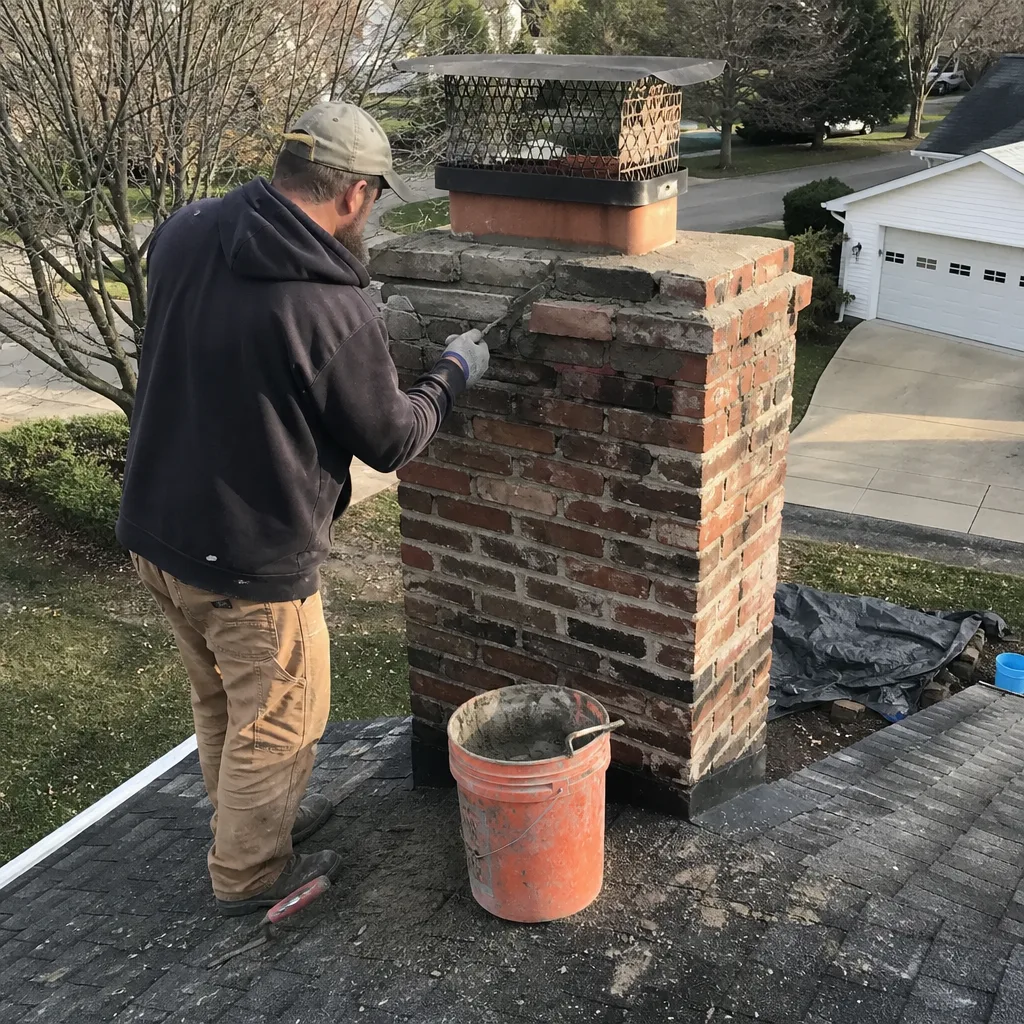
March and April are the most damaging months for a masonry chimney in Louisville, and it has nothing to do with how much rain falls. It’s the cycling. Louisville springs swing between warm afternoons and freezing nights, often within the same week. Water soaks into brick and mortar during the warm stretch, then freezes and expands after dark. Mortar is porous; it holds that water like a sponge. Repeat that cycle a few dozen times and hairline cracks open into real ones. Once water is inside the chimney structure, it finds the path of least resistance: down through the crown, behind the flashing, into the smoke chamber, and eventually into the ceiling around the chimney.
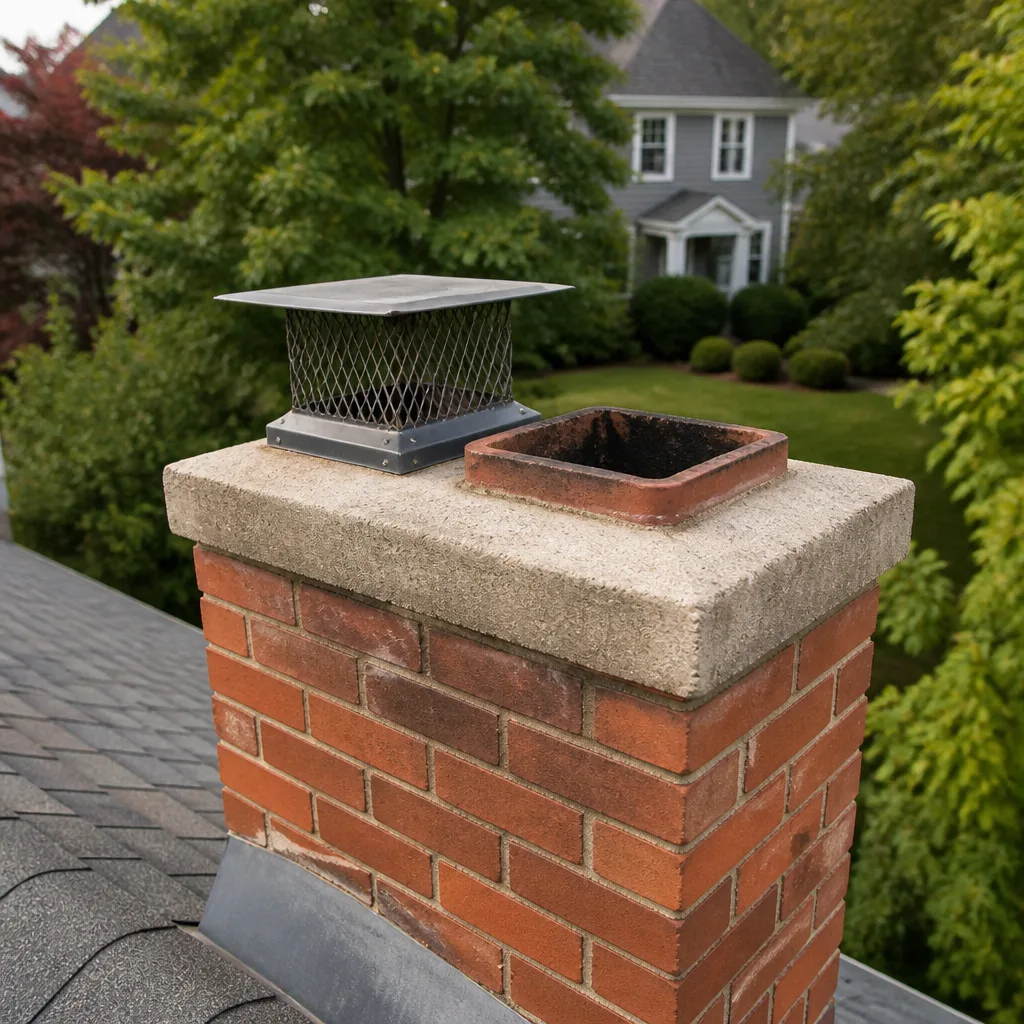
The two places to look first are the crown and the flashing. The crown is the concrete cap on top of the chimney that sheds water away from the flue. The flashing is the metal collar where the chimney passes through the roof. Both take a beating through winter and both fail quietly.
What a Post-Winter Crown and Flashing Inspection Must Check
- Crown cracks and separation. Look for cracks wider than a hairline and for any gap between the crown and the flue tile. A crown that has pulled away from the flue is funneling water straight down the inside of the chimney.
- Crown slope. The crown should slope away from the flue so water runs off. A flat or sagging crown pools water on top, which is worse than a crack.
- Flashing seal and lift. Check the caulk line and step flashing for lifting, cracking, or gaps. Most roof leaks blamed on shingles around a chimney are actually flashing failures.
- Spalling brick and crumbling mortar joints. Tap a few bricks; a dull thud instead of a ring suggests the brick has absorbed water and is breaking down from the inside.
- Interior staining. Look at the chimney breast and ceiling in the room below for water stains or efflorescence. That’s the tell that water is already inside.
A crown that’s cracked but structurally sound can often be sealed; a crown that’s separated or badly deteriorated needs rebuilding. Either way, spring is when you want to find it, not October. Our technicians have up to 13 years of experience reading these failure patterns, and they’re looking for the same thing every time: where the water gets in.
Summer Humidity, Efflorescence, and Why Waterproofing Belongs in the Warm Months
Louisville summers are humid enough that a brick chimney never fully dries out. That’s the setup for efflorescence and spalling. Efflorescence is the white, chalky stain that appears on brick and mortar. It’s salt pushed to the surface as moisture moves through the masonry and evaporates. On its own it’s cosmetic, but it’s also a signal: if salt can migrate through the brick, so can water. Spalling is the next stage. Water trapped inside the brick freezes in winter or simply expands as it absorbs, and the face of the brick flakes off. Once spalling starts, the brick is losing material and the chimney is losing strength.
This is why waterproofing is a warm-season job. Brick and mortar need to be dry, and they stay driest in summer. A breathable water-repellent treatment applied to dry masonry blocks liquid water from the outside while still letting vapor escape from inside. That last part matters. A sealer that traps vapor will make spalling worse, not better, because the water has nowhere to go.
We use professional-grade breathable repellents, including ChimneySaver Water Repellent, because they’re formulated for masonry that needs to breathe. A few points worth knowing before anyone waterproofs your chimney:
- Don’t waterproof a chimney that already has active leaks from the crown or flashing. Fix the source first, then treat.
- Don’t waterproof over efflorescence without cleaning it off first. You’ll trap the salt under the sealer.
- Tuckpointing (repairing failed mortar joints) comes before waterproofing. Sealing over crumbling mortar just locks the problem in place.
If the masonry on your chimney in Louisville has white staining or flaking brick faces, treat summer as the repair window. By the time the first frost comes, it’s too late to apply waterproofing for the year.
Summer Wildlife: Chimney Swifts, Raccoons, and Squirrels
An open, uncapped flue is a chimney-shaped cavity on the roof of a warm structure. Animals find it. Summer is when they do it most, because that’s when they’re nesting. The animal determines what you can legally do about it, and one of them you cannot remove at all without breaking federal law.
Chimney Swifts
Chimney swifts are small, sooty-gray birds that nest inside chimneys and are protected under the Migratory Bird Treaty Act. You cannot remove them, their nests, or their eggs during nesting season, and that includes calling someone to do it. Swifts arrive in spring, nest through summer, and leave in fall. The practical response is to wait them out, then cap the chimney once they’ve gone so they can’t return the next year. Their nests are also flammable and need to be cleared out after the season.
Raccoons
Raccoons are strong enough to tear off a lightweight cap or climb straight down an open flue. A female with kits will den in a chimney and is defensive if approached. Removal is a wildlife-control job, not a sweep, and it has to happen before any cleaning or repair. After the animal is out, the chimney needs to be cleaned and the cap replaced with something a raccoon can’t lift.
Squirrels and Birds
Squirrels, starlings, and sparrows nest in flues and on top of damper plates. Their nesting material blocks the flue, and a blocked flue is a carbon monoxide problem the first time you light a fire.
What Actually Keeps Them Out
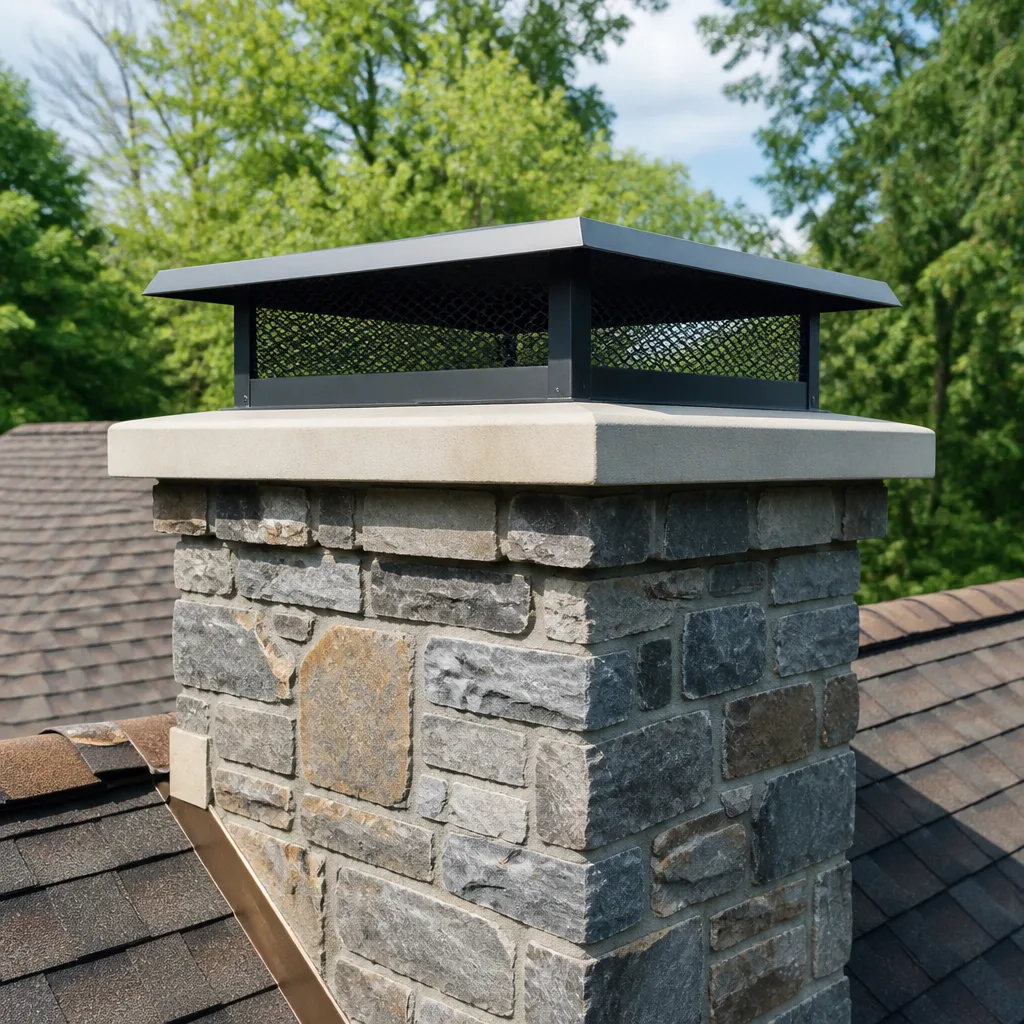
The answer for all three is a proper cap system, installed correctly. A cheap hardware-store screen won’t hold up to a raccoon. We install professional-grade caps and vent covers from brands like Famco and Copperfield; both make caps sized to the flue and sturdy enough to stay put. The cap does two jobs: it keeps animals out and it keeps rain out. If your chimney has no cap, or a cap that’s rusted, bent, or torn loose, that’s the single highest-value fix on the whole system.
Fall: Timing the Pre-Season Cleaning and Choosing Your Inspection Level
The fall sweep is still the most important appointment of the year, but the timing matters more than most people realize. Too early and the flue fills back up with leaves and debris before you burn. Too late and you’re competing for a slot with everyone else in Louisville who waited until the first cold snap. The window in Louisville is after the bulk of leaf fall and before you start burning regularly. In practice, that’s a narrow stretch in October and early November. Book it before the leaves come down and you’ll get the appointment you want.
The other decision to make before the technician arrives is the inspection level. This is a common point of confusion, and it’s the reason we ask about it when you book rather than when we show up.
Level 1 vs. Level 2: The Difference
- Level 1 inspection covers the readily accessible parts of the chimney: the firebox, damper, smoke chamber, and flue, checked with a camera. It’s for a chimney with no known problems, no recent changes, and a normal sweep. Most annual cleanings are paired with a Level 1.
- Level 2 inspection goes further, including the accessible portions of the attic and crawlspace and a video scan of the entire flue. It’s required when a chimney has changed: a new appliance, a fuel switch, a liner replacement, a home sale, or a known event like a chimney fire or an earthquake. If you’re buying or selling a house in Louisville, or you’ve just switched to a wood stove or a gas insert, you need a Level 2.
Why decide ahead of time? Because a Level 2 takes longer and needs different equipment, and the technician needs to know before the appointment so the right scan gets done on the same visit. Deciding mid-clean means rescheduling, and in October nobody has a spare slot. If you’re unsure, tell us when you book and we’ll help you sort out which one applies.
Winter: What’s Use-Prohibiting and What Can Wait
Winter is when you find out what the previous three seasons did. The important thing to understand is that not every winter problem means the same urgency, and the difference matters. Some issues mean stop using the fireplace now. Others are real but can safely wait for spring repair. Knowing which is which keeps you safe without panicking about every little thing.
Stop Using the Chimney (Use-Prohibiting)
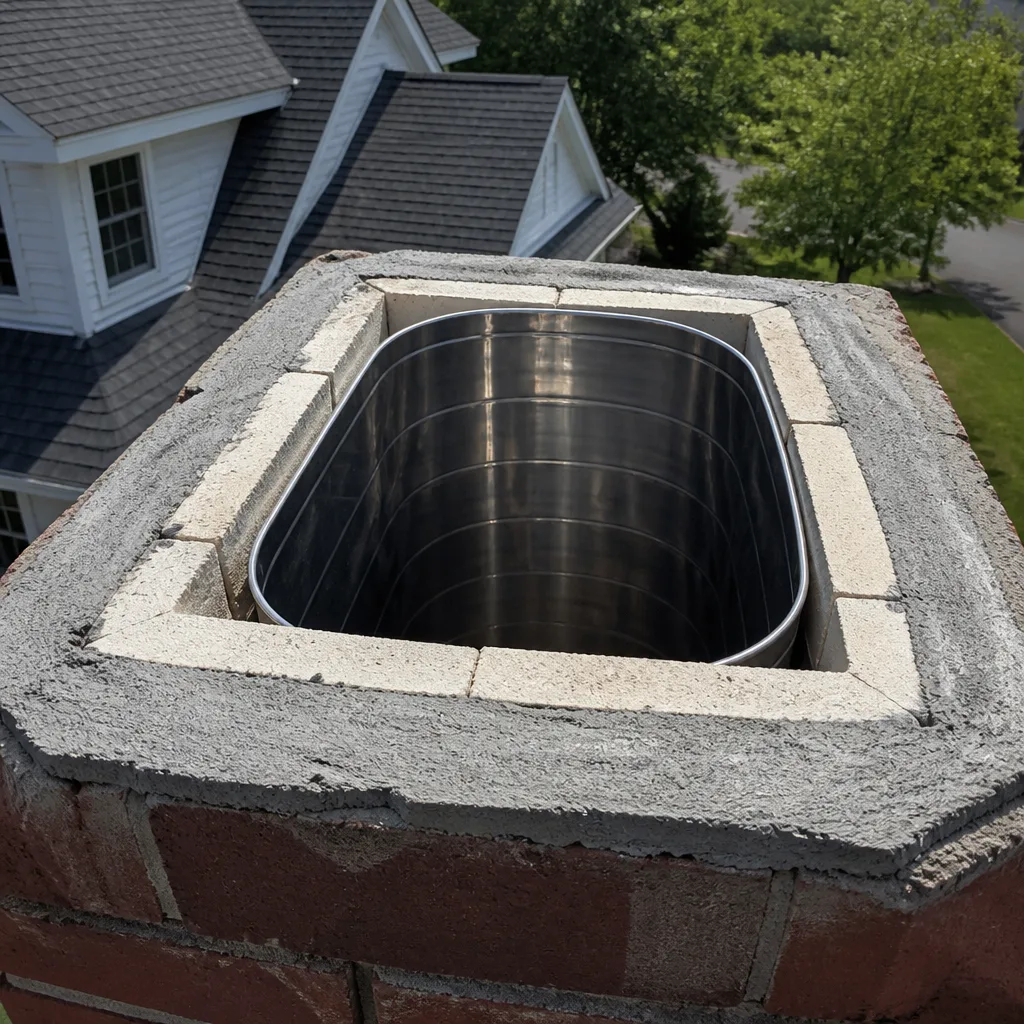
- A cracked or deteriorated flue liner. This is the serious one. The liner is what keeps hot gases and carbon monoxide inside the flue and away from the framing and the rest of the house. A crack lets both through. Do not light a fire until it’s relined.
- A missing or damaged cap with an open flue. In winter this is both a rain-and-snow entry point and a wildlife entry point. Don’t burn until a proper cap is back on.
- Signs of a chimney fire you didn’t notice. Puffy, honeycombed creosote, warped metal, cracked flue tiles, or a damper that no longer closes right can all indicate a fire that burned itself out. Stop burning and get it inspected.
- Carbon monoxide alarms going off or the smell of exhaust in the room. Stop, ventilate, and get out. Call 911 if anyone feels unwell. That’s a gas problem, not a sweeping problem.
- Heavy creosote buildup. If you’re burning more than the flue can handle, that’s a fire waiting to happen. Sweep before you keep burning.
Can Wait for Spring
- Cracked crown. A crown crack is a water-entry problem, not a combustion problem. Seal or rebuild in spring; keep a tarp on it if the forecast is wet.
- Spalling brick and crumbling mortar. Real damage, and it will only get worse, but it won’t start a fire. Schedule tuckpointing and waterproofing for the warm season when the masonry can be dry.
- Failed flashing. The same logic. Fix the source before the next wet season.
- Efflorescence without structural damage. Cosmetic until it’s spalling. Clean, seal, and monitor.
One thing worth saying plainly: if you discover a cracked liner mid-winter, don’t just stop using the fireplace and forget about it until the weather warms up. Get it relined now. A DuraFlex liner system is designed to go into a deteriorated flue, and it can be installed while it’s cold. Leaving a damaged flue open all winter lets water and animals in through the top, which turns a reline into a reline plus masonry repair by spring.
Dryer Vent Cleaning as Year-Round Fire Prevention
Dryer vent cleaning belongs in the same conversation as chimney care, and most chimney companies don’t want to talk about it. The logic is identical: lint is fuel, the vent is the flue, and a blocked vent means heat and combustible material in the same place with nowhere for either to go. A clogged dryer vent raises the risk of a dryer fire and also makes the dryer work harder and take longer to dry a load. The same fire-safety framework we use on chimneys applies directly to dryer vents.
There’s a seasonal angle that matters in Louisville: dryer vents get worse in winter because people do more indoor drying, and they get worse in summer because pollen, grass clippings, and debris collect at the exterior vent and can block the damper open. A quick check of the outside vent flap once or twice a year catches both. If the flap doesn’t open and close freely, or you can see lint packed at the opening, it’s time for a cleaning. We treat dryer vent cleaning as a formal service for exactly this reason: it’s combustion safety, not housekeeping.
Common Mistakes to Avoid
- Waiting until October to think about the chimney. Fall is the busiest season and the worst time to discover a spring problem. Move the inspection into spring and you catch water damage while it’s still cheap to fix.
- Waterproofing over a leak. If water is already getting in through the crown or flashing, a repellent on the brick won’t stop it and can trap moisture behind the sealer. Fix the source first, then waterproof on dry masonry.
- Removing chimney swifts in nesting season. Swifts are federally protected. Trying to remove them during nesting season is a legal problem, and it doesn’t solve next year. Wait until they leave, then cap the flue.
- Buying a cheap cap instead of a proper one. A lightweight screen won’t stop a raccoon and won’t survive a Louisville ice load. A correctly sized Famco or Copperfield cap protects the flue for years.
- Choosing the inspection level at the appointment instead of when booking. A Level 2 takes longer and needs different equipment. Deciding on the day means rescheduling, which is nearly impossible in the fall.
- Burning through a cracked liner because the fire “seems fine.” A fire burning fine says nothing about whether carbon monoxide is coming out of the flue and into the house. Stop until it’s relined.
- Skipping the crown and flashing every year. These are the first things that fail and the last things anyone looks at. Put them on the spring check every year.
When to Call a Professional
Call a professional when the problem is beyond what you can see from the hearth. That means a flue liner you can’t inspect, a crown or flashing that needs repair, masonry that’s spalling, an animal in the flue, or any sign of a past chimney fire. It also means the annual sweep: a camera inspection and a proper cleaning are how you find the small problems before they become big ones. Our technicians have up to 13 years of experience, and we repair what we find. If a cleaning reveals a liner crack or failed crown, we handle it on the same visit instead of sending you to a second contractor. We use professional-grade materials from brands like HeatShield for flue resurfacing, DuraFlex for relining, and Olympia Chimney for venting components, so repair work is done to a documented standard. Louisville Chimney Cleaning offers free estimates in Louisville, and you can call (844) 560-6386 to book a sweep or ask which inspection level fits your situation.
See the difference
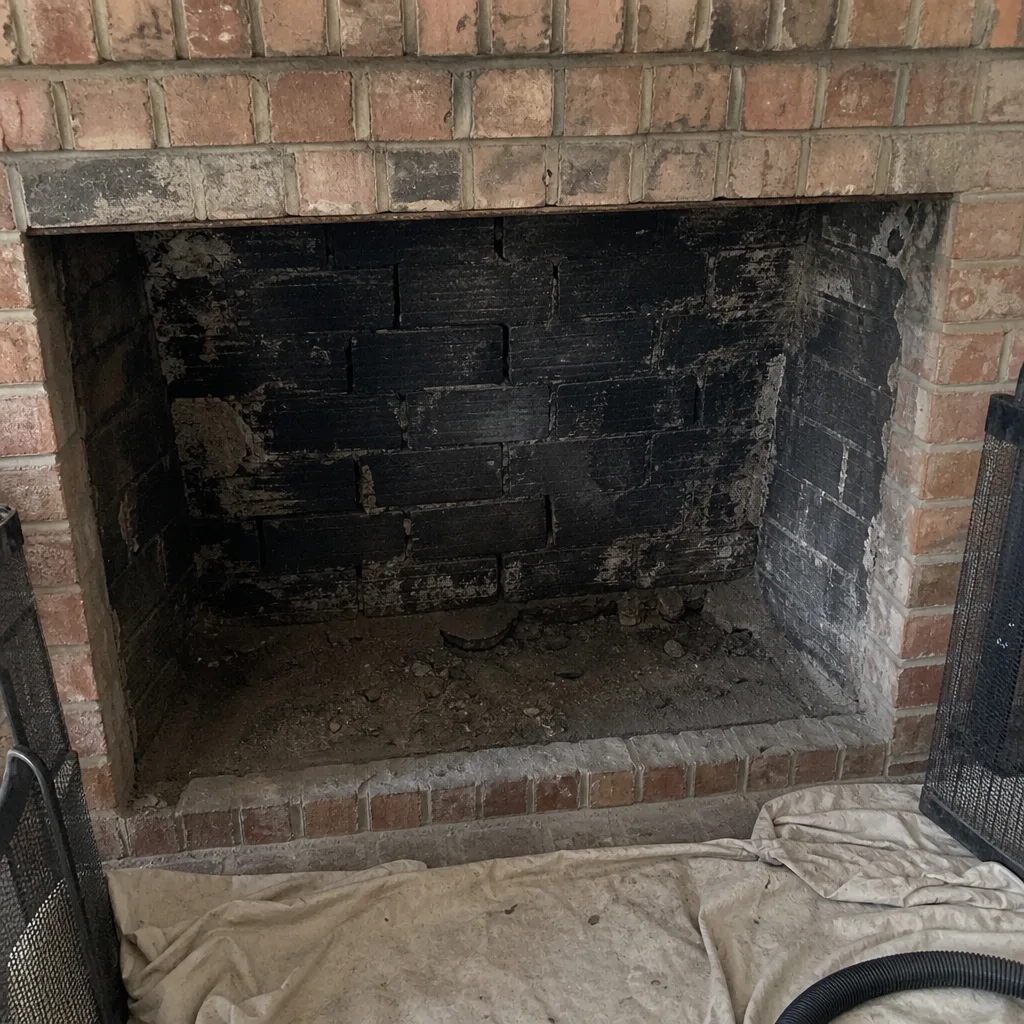 Before
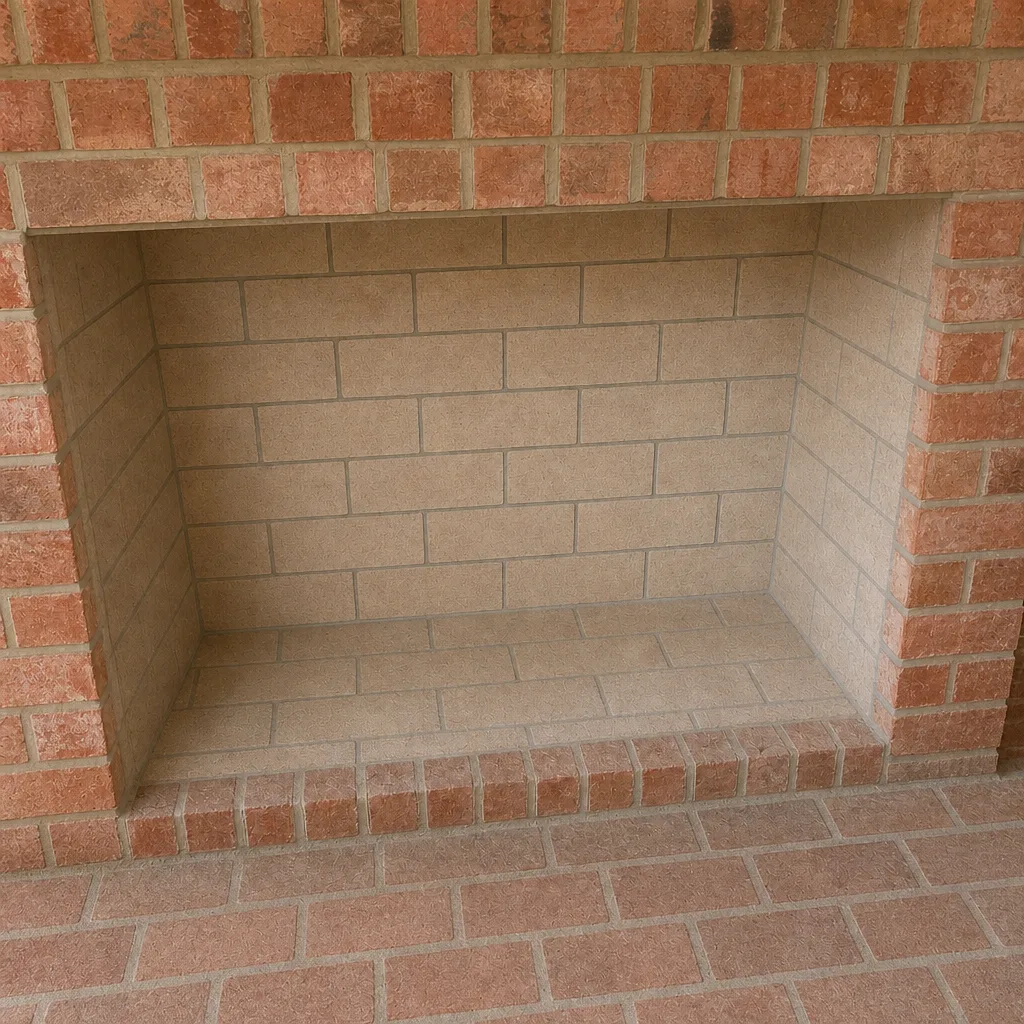 After
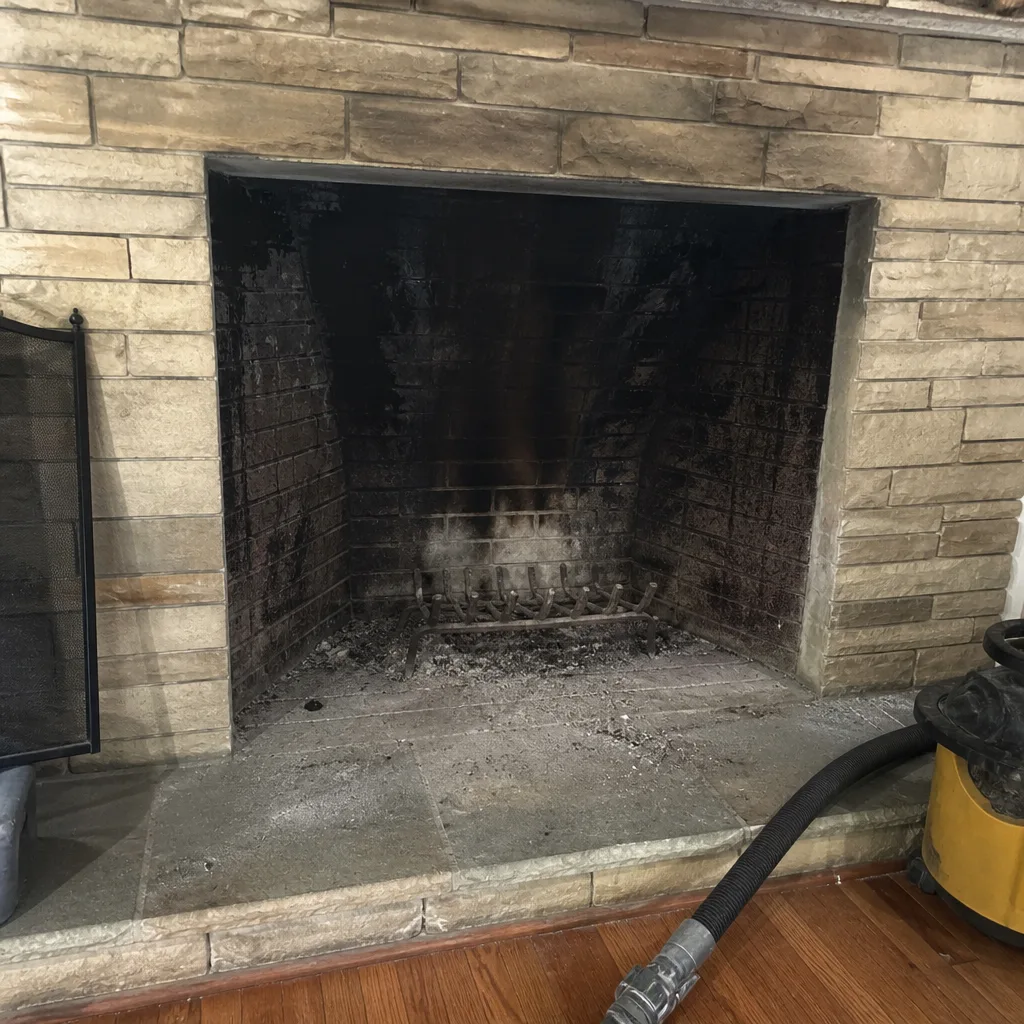 Before
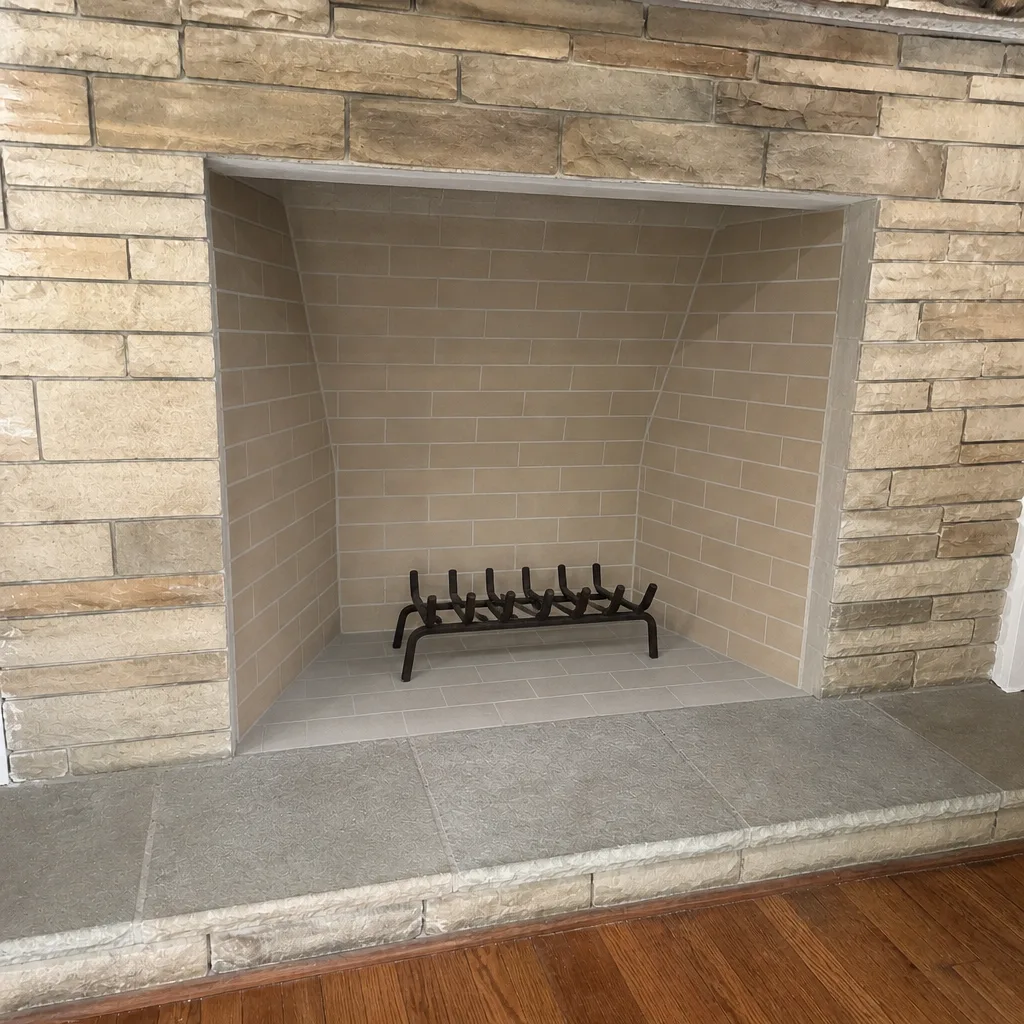 After
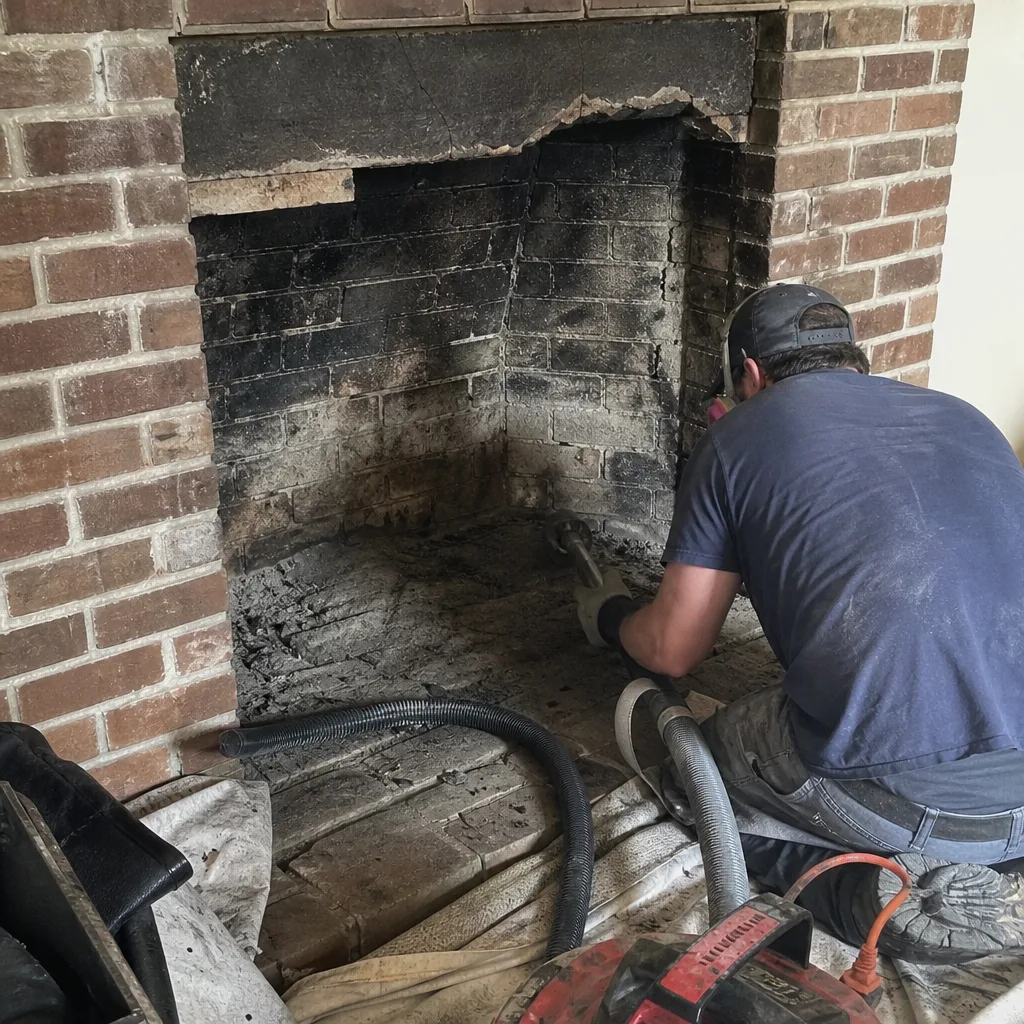 Before
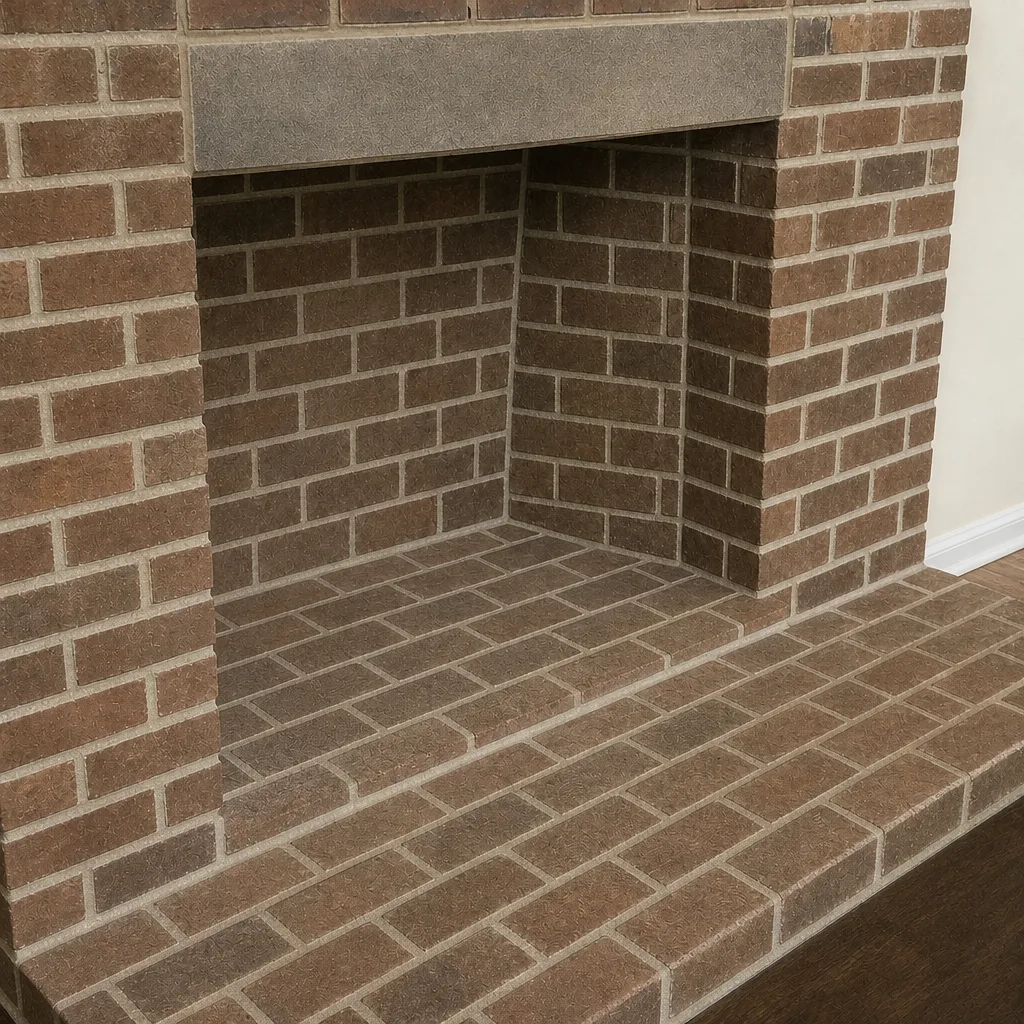 After
Frequently Asked Questions
Once a year is the baseline for most homes. If you burn wood regularly, sweep at the start of the heating season after leaf fall and before sustained use. If you burn infrequently or use a gas insert, annual inspection still matters because water and animals don’t wait for you to light a fire.
Creosote accumulates and becomes more flammable, and small problems get a full year to turn into big ones. A crown crack found in spring is a seal; found a year later it may be a rebuild. Skipping also means you don’t learn about a liner crack until a fire forces the issue. Book the sweep and get a clear picture of the system. Call (844) 560-6386 for an exact quote; estimates are free.
We’d advise against it. The product has to be breathable, applied to dry masonry, and applied after the crown and flashing are sound and any efflorescence is cleaned off. Applying the wrong sealer to wet brick traps moisture and accelerates spalling. In our experience, the most common outcome of DIY waterproofing is a second repair bill.
No. Chimney swifts are protected under the Migratory Bird Treaty Act, and you can’t remove them, their nests, or their eggs during nesting season. Wait until they migrate in fall, clean out the nesting material, then cap the flue so they can’t return the following spring.
No. A cracked liner is use-prohibiting: hot gases and carbon monoxide can reach the framing and the house. Stop burning now and get it relined. A DuraFlex liner can be installed in winter, and waiting lets water and animals in through the top, which usually turns a reline into a bigger repair by spring.
A typical sweep with a camera inspection usually costs a few hundred dollars, and the price is set by a written estimate before any work starts. If the sweep finds a problem, the repair is quoted separately with the same written estimate. Call (844) 560-6386 for an exact quote; estimates are free.
The Bottom Line
The chimney doesn’t have a season. It has four, and each one attacks a different part of the system: spring freeze-thaw on the crown and flashing, summer humidity and wildlife, fall creosote buildup, winter freeze risks and use-prohibiting failures. The right approach in Louisville is a yearly sweep paired with a spring crown and flashing check, summer waterproofing on dry masonry, and a clear understanding that some winter problems mean stop burning while others can wait for spring. A cap protects the flue year-round, and dryer vent cleaning belongs on the same annual schedule.
If you’re ready to get the chimney on a proper yearly schedule, or you’ve just found something that worries you, call (844) 560-6386 for a free estimate. We answer 24/7. Fast dispatch from 7am to 7pm, Sunday through Friday.
Written by the team at Louisville Chimney Cleaning.