
Last updated November 15, 2026
 Sweep & inspection
 Caps & crowns
 Flue relining
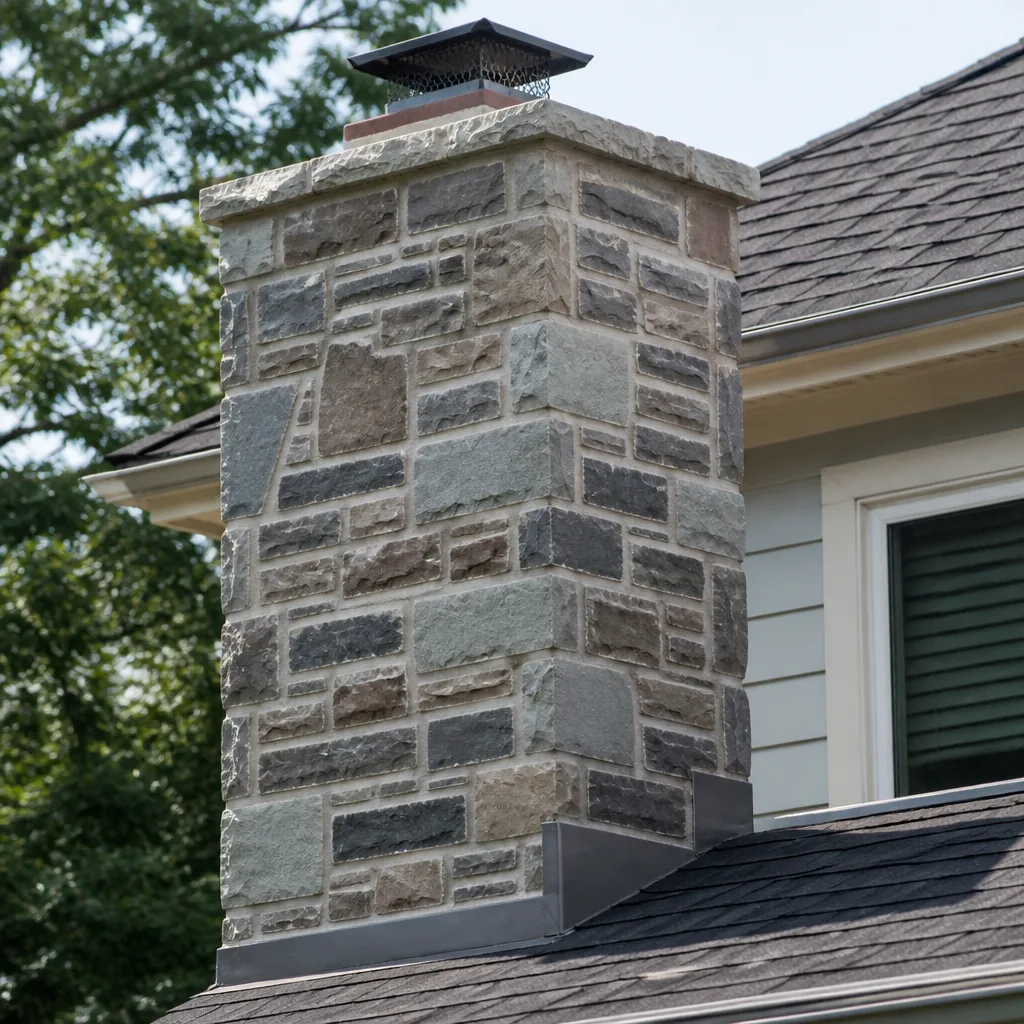 Masonry repair
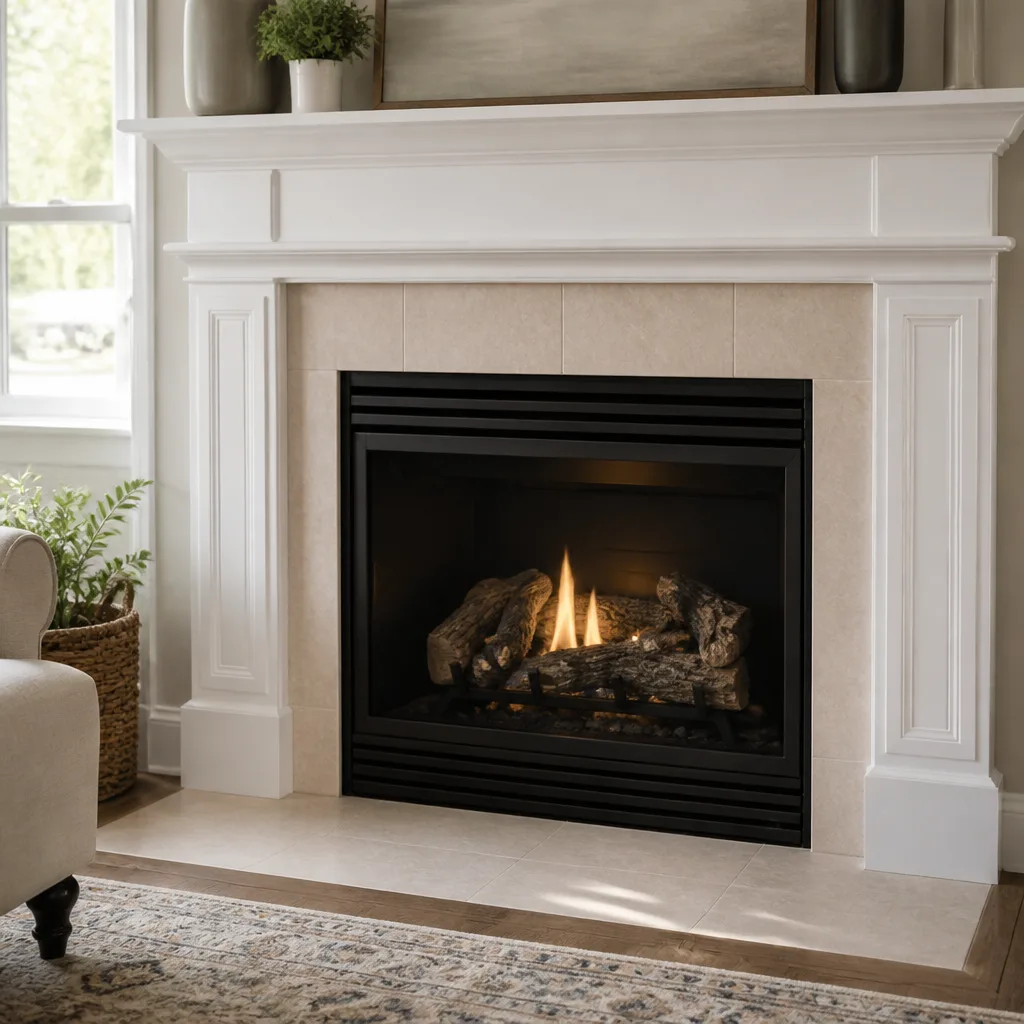 Gas fireplace service
Level 1 sweep and inspection to the NFPA 211 annual standard - flue, crown, cap, and flashing checked and photographed
Chimney sweep logs do not sweep chimneys. They loosen some creosote - which then falls where a brush and vacuum still have to collect it.
The Complete Guide to Chimney Cleaning in Louisville
Most chimney fires we’re called to inspect don’t happen because the homeowner skipped cleaning. They happen because the cleaning was fine and the inspection wasn’t. A brush goes up a flue, soot comes down, the receipt says “swept,” and nobody ever looked at the mortar joints behind the smoke chamber or put a camera up the liner. In a Louisville house, that gap matters more than it does in most places, because our winters swing above and below freezing for months and that cycle works on masonry in a way that a mild climate never does. This guide walks through what a real cleaning in Louisville involves, what the inspection should catch, and how to tell the difference between the two.
Quick Answer
A proper chimney cleaning in Louisville is a full system inspection plus a mechanical sweep, not just a brushing. It starts with a Level 1 or Level 2 inspection of the flue, liner, crown, cap, firebox and smoke chamber, then rotary brushing sized to your liner material, then a camera scan documented with photos. If the sweep finds cracked mortar, a failed crown, or a glazed creosote stage, a real chimney company repairs it on the same visit rather than sending you to a second contractor. Cleaning frequency depends on how much you burn, but once a year before heating season is the standard baseline for a working fireplace.
Styles & brands we work with
- Sweep & inspection
- Caps & crowns
- Flue relining
- Masonry repair
- Gas fireplace service
Table of Contents
- Why Louisville Chimneys Age Differently
- The Three Inspection Levels and What Each One Finds
- CSIA-Certified Sweep vs. General Handyman
- Creosote Stages: Why Volume Matters Less Than Stage
- The Cleaning Process, Step by Step
- HeatShield Resurfacing vs. Full Liner Replacement
- Dryer Vent Cleaning: The Other Fire Risk
- How to Read a Chimney Inspection Report
Why Louisville Chimneys Age Differently
The Ohio River corridor gives Louisville a specific weather pattern: wet winters with repeated freeze-thaw cycles, high summer humidity, and enough temperature swing in a single week to push masonry through several expansion and contraction events. That pattern is hard on brick and mortar in ways a dry climate never produces. Water gets into mortar joints, freezes, expands, and pushes the joint apart a fraction of a millimeter at a time. Repeat that a few hundred times over a decade and you have spalling brick, crumbling joints, and a crown that’s cracked enough to let more water in.
What that means for a Louisville chimney inspection is that the exterior masonry deserves as much attention as the flue interior. A sweep who only brushes the flue and never looks at the crown, the flashing, or the mortar joints above the roofline is missing the failure mode most common in this city. Older housing stock in neighborhoods like Old Louisville, the Highlands, and Clifton makes it worse: the chimneys in those homes were built with materials that have already been through decades of this cycle, and the liner may never have been updated.
We’ve seen this pattern often enough to treat it as a baseline assumption rather than an exception. When we open up a Louisville chimney, we expect to find mortar joint erosion at the smoke chamber, a crown that’s at least partially failed, and a flue tile with at least one cracked section. Finding none of that is the lucky case, not the typical one. If your home is in one of the older neighborhoods, plan on a chimney sweep that includes a camera scan, because the flue tile cracks that matter most are the ones you can’t see from the firebox.
The Three Inspection Levels and What Each One Finds
Chimney inspections are classified in three levels, and knowing which one you’re getting is the single most important thing to ask before anyone shows up at your door. A cleaning without a stated inspection level is an incomplete job.
Level 1 Inspection
A Level 1 is a visual check of readily accessible portions of the chimney: the firebox, damper, smoke chamber, flue from the firebox up as far as you can see, and the exterior from ground level. It’s appropriate when nothing has changed in how the chimney is used and there’s no reason to suspect a problem. It’s also the least useful inspection in a Louisville house with aging masonry, because it can’t see the parts that fail first.
Level 2 Inspection
A Level 2 adds a camera scan of the full flue interior and a closer look at the attic, crawl space, and any accessible chimney components. This is the level you want when you’ve bought a home, changed fuel types, added a new appliance, had a chimney fire, or had any seismic or weather event affecting the structure. In Louisville’s freeze-thaw climate, a Level 2 is also the right call whenever the exterior shows spalling or the crown has visible cracks, because the flue liner damage underneath is usually related.
Level 3 Inspection
A Level 3 involves opening up concealed parts of the chimney, meaning removing drywall or masonry to access a section that can’t otherwise be reached. It’s rare, and it’s reserved for cases where a Level 2 camera scan finds a defect that requires direct visual confirmation before a repair decision.
- Level 1: visual, accessible areas only. Fine for a maintenance sweep on a known-good chimney.
- Level 2: camera scan of the full flue plus attic and crawl space. Standard for real estate transactions, fuel changes, and any chimney with visible exterior damage.
- Level 3: destructive access to concealed areas. Used when a Level 2 finding needs visual confirmation.
Ask which level you’re getting before the appointment. If the answer is vague, that’s the answer.
CSIA-Certified Sweep vs. General Handyman
The Chimney Safety Institute of America (CSIA) certifies chimney sweeps through a written exam and a code of conduct, and the certification is the recognized credential in the trade. A CSIA-certified sweep has been tested on chimney system diagnostics, venting, and the standards that govern how a flue should be sized and constructed. A general handyman, in most cases, has not.
That matters in Kentucky because chimney cleaning itself isn’t a licensed trade in the way electrical or plumbing work is. There’s no state license number to check, which means the certification and the insurance are what you’re actually verifying. A handyman with a brush can sweep a flue. What a handyman typically can’t do is read a camera scan, tell you whether a flue tile crack is structural or surface, diagnose a venting problem on a gas insert, or tell you what size liner your appliance actually requires.
What we look for when we open a Louisville chimney is the full system, not just the flue. The firebox, damper, smoke chamber, flue, liner, crown, cap, and the connection to the appliance are all part of the diagnosis. A sweep who only cleans the flue has done half the job. A handyman with a brush has done less than that.
For an insurance-driven inspection or a real estate transaction, ask for the certification and the camera report in writing before work starts. If the company can’t produce a documented inspection with photos, the report isn’t worth much when you need to hand it to an adjuster.
Creosote Stages: Why Volume Matters Less Than Stage
Creosote builds up in three recognizable stages, and the stage matters more than how much is there. A chimney with a thin, widespread coat of stage 3 glazed creosote is more dangerous than one with a heavy buildup of stage 1 soot, because the glazed stage is the one that ignites at lower temperatures and burns hot enough to crack the flue tile.
Stage 1: Soot and Flaky Creosote
A light, dusty, or flaky coating that comes off with a standard brush. This is what a chimney sweeps cleanly and what most annual cleanings remove.
Stage 2: Crusty, Brittle Creosote
Thicker, harder, and often found in patches. This stage can be removed with a rotary brush, but it takes more passes and more time than the first stage.
Stage 3: Glazed Creosote
Hard, shiny, and bonded to the flue surface. Standard brushing doesn’t remove it. A chemical treatment or a rotary system designed for glazed creosote is what’s needed, and this stage is the one most associated with chimney fires.
In Louisville, what drives stage progression is the wood people burn. The most common firewood sold in the area is mixed hardwood, often oak with hickory or ash, but a lot of homeowners supplement with softwood that’s been dried less thoroughly. Unseasoned or softwood-heavy fires produce more creosote faster, and the stage climbs quicker. If you’re burning damp wood or dampening the fire to hold it overnight, expect the creosote stage to advance rather than just accumulate. When we find stage 3 glazed creosote in a Louisville flue, it’s almost always a wood-burning habit issue rather than a single bad season.
The Cleaning Process, Step by Step
A professional cleaning is a sequence, not a single action. Here’s what a full visit looks like when it’s done properly:
- Set up protection. Drop cloths and a HEPA vacuum at the firebox opening, so the room stays clean throughout.
- Run the inspection. A Level 1 or Level 2 inspection of the firebox, damper, smoke chamber, flue, liner, crown, and cap, plus a camera scan of the flue.
- Select the brush for the liner material. Clay tile liners take a poly brush; stainless steel liners take a different brush and sometimes a different method. Using a metal brush on a clay tile flue scratches the surface and creates a rougher flue wall that holds creosote next season.
- Size the brush to the flue. A brush that’s too small doesn’t contact the flue wall evenly. A brush that’s too large can crack fragile tile. This is where cheap sweeps cut corners.
- Run rotary brushing top-down. The brush rotates and contacts the full flue wall, then the flue is checked and swept again if any creosote remains.
- Run a second camera scan. Compare the flue condition before and after cleaning, and document anything the cleaning revealed: cracked tile, spalling mortar, gaps at joints.
- Clean the firebox, damper, and smoke chamber. The smoke chamber above the damper is the part most often skipped, and it’s the part where creosote piles up hardest.
- Document and report. Photos, the inspection level, the findings, and a written recommendation for any repair.
What we do differently as a full-scope Louisville chimney cleaning specialist is step eight. If the sweep turns up a cracked crown, a failed liner, or a smoke chamber that needs resurfacing, we repair it rather than hand you a list and a second contractor. We stock professional-grade materials from brands like HeatShield and DuraFlex, so the repair decision can be made and executed on the same visit.
HeatShield Resurfacing vs. Full Liner Replacement
When an inspection finds damage in the flue, there are generally two repair paths: resurfacing with a product like HeatShield, or full relining with a flexible stainless system like DuraFlex. They solve different problems, and knowing which one your chimney needs is the part of the inspection report homeowners most often misread.
What HeatShield Fixes
HeatShield is a certified flue repair system that resurfaces the existing flue. It’s used when the flue structure is still sound but the interior has cracks, gaps at mortar joints, or spalling that needs to be sealed and restored. The system rebuilds the flue surface and comes with a documented application standard, so you’re not getting a patched-together fix. Our technicians are HeatShield-qualified for resurfacing, which means the work follows the system’s own product standards rather than a generic mortar repair.
What DuraFlex Addresses
A DuraFlex liner is a flexible stainless steel liner installed inside the existing flue to reline a deteriorated or improperly sized chimney. It’s the right call when the original clay tile is cracked through, when the flue isn’t sized for the appliance, or when the damage is beyond what resurfacing can correct. Relining is a structural upgrade, not a surface repair.
How to Tell Which You Need
- HeatShield resurfacing when the flue tile is intact but the interior surface has cracks, gaps, or spalling that need sealing.
- DuraFlex relining when the flue tile is cracked through, mis-sized for the appliance, or deteriorated enough that resurfacing can’t stabilize it.
- Defer the repair when the damage is cosmetic and the flue is functioning safely, provided the inspection documents why it can wait.
We’d rather tell you a repair can wait than sell you a relining job the flue doesn’t need. The report should explain the finding, show the photo, and let you see the reasoning for yourself.
Dryer Vent Cleaning: The Other Fire Risk
Lint buildup in a dryer vent is a fire risk that gets treated as a housekeeping chore rather than the fire-safety issue it is. A dryer vent packed with lint reduces airflow, overheats the appliance, and can ignite. In a Louisville home where the vent run is long or the exterior termination is clogged, the risk climbs faster than the homeowner expects.
We treat dryer vent cleaning as a formal service for exactly that reason: it’s the same combustion-safety logic we apply to a chimney, applied to a different appliance. The visit usually involves cleaning the full run from the dryer connection to the exterior termination, checking the vent flap and the exterior hood, and confirming airflow actually moves the way it should. If your dryer takes two cycles to dry a load, or the outside flap doesn’t open fully when the dryer runs, that’s the signal it’s overdue.
How to Read a Chimney Inspection Report
A usable inspection report has a few specific components, and if yours is missing any of them, ask for a redo.
- The inspection level. Level 1, Level 2, or Level 3, stated on the report. If it isn’t there, the report is incomplete.
- Photo or video evidence. Every finding should have a camera photo showing what the technician saw. A written description alone isn’t verifiable.
- The finding and its location. Not “cracked liner,” but which flue, which section, and how the crack runs.
- A repair recommendation with a priority. Urgent, do-soon, or can-wait. A report that flags everything as urgent isn’t a diagnostic, it’s a sales document.
- The material spec for any proposed repair. Whether it’s HeatShield resurfacing or a DuraFlex reline, the report should say what product is proposed and why.
If you’re handing the report to an insurance adjuster, the photo documentation is what carries the claim. Ask for it in digital form so you can forward it.
Common Mistakes to Avoid
- Treating the sweep as the whole job. A brush down the flue without a camera scan and a documented inspection misses the cracked tile and failed crown that cause most chimney fires. The cleaning is half the visit.
- Hiring whoever answers the phone without asking the inspection level. “We clean chimneys” doesn’t tell you whether the technician will catch a stage 3 creosote issue or a compromised flue.
- Ignoring the exterior masonry. In Louisville’s freeze-thaw climate, the crown and mortar joints above the roofline are where damage starts. A sweep that never goes onto the roof has done an indoor-only job.
- Burning unseasoned or softwood-heavy wood to save money. The savings on wood cost turn into a glazed creosote problem that costs more to correct than the seasoned wood did to buy.
- Skipping the smoke chamber. The space above the damper collects creosote heavily and is routinely missed by quick sweeps. Ask specifically whether it’s included.
- Forgetting the dryer vent. Homeowners who keep a clean fireplace often never have the dryer vent checked. Lint buildup is a genuine fire risk and a relatively quick fix.
- Not asking for photos. If you can’t see the finding, you can’t verify the repair recommendation. A report without photo evidence is a list, not documentation.
See the difference
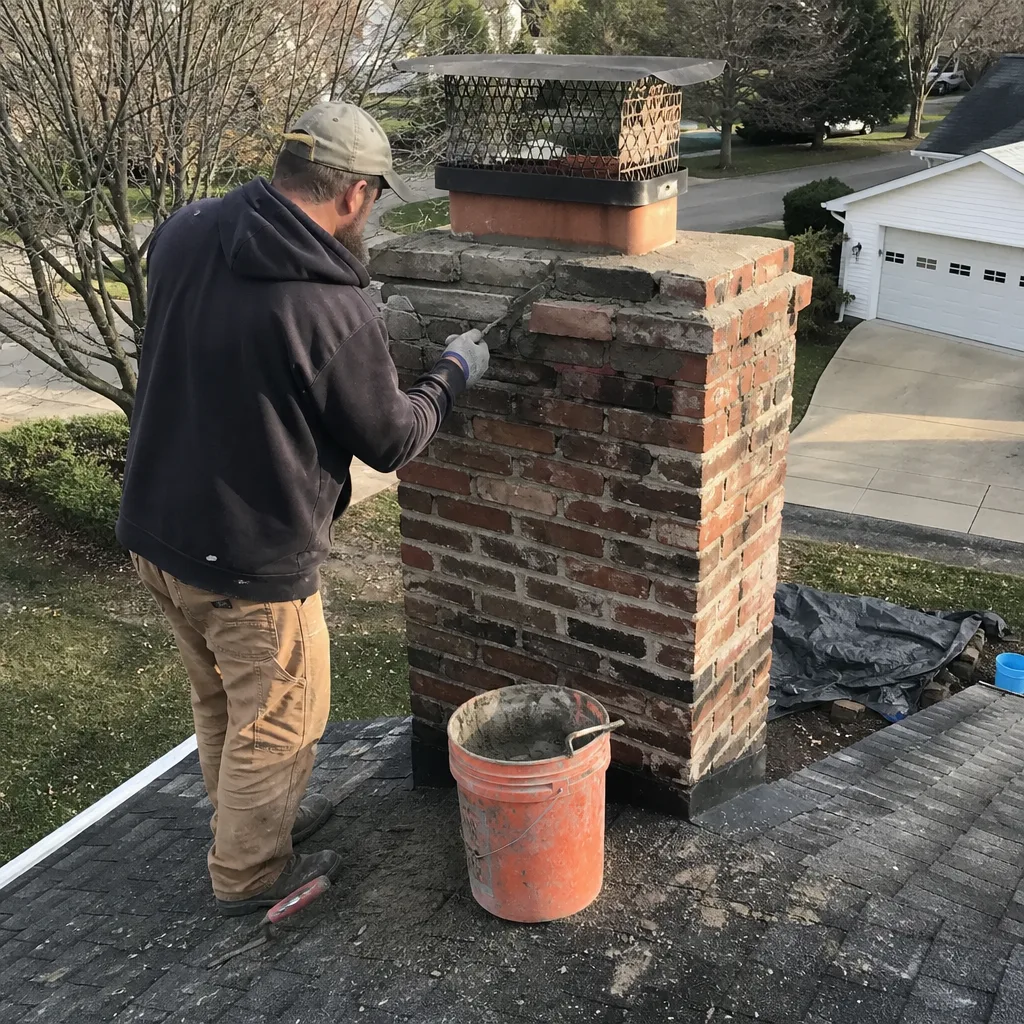
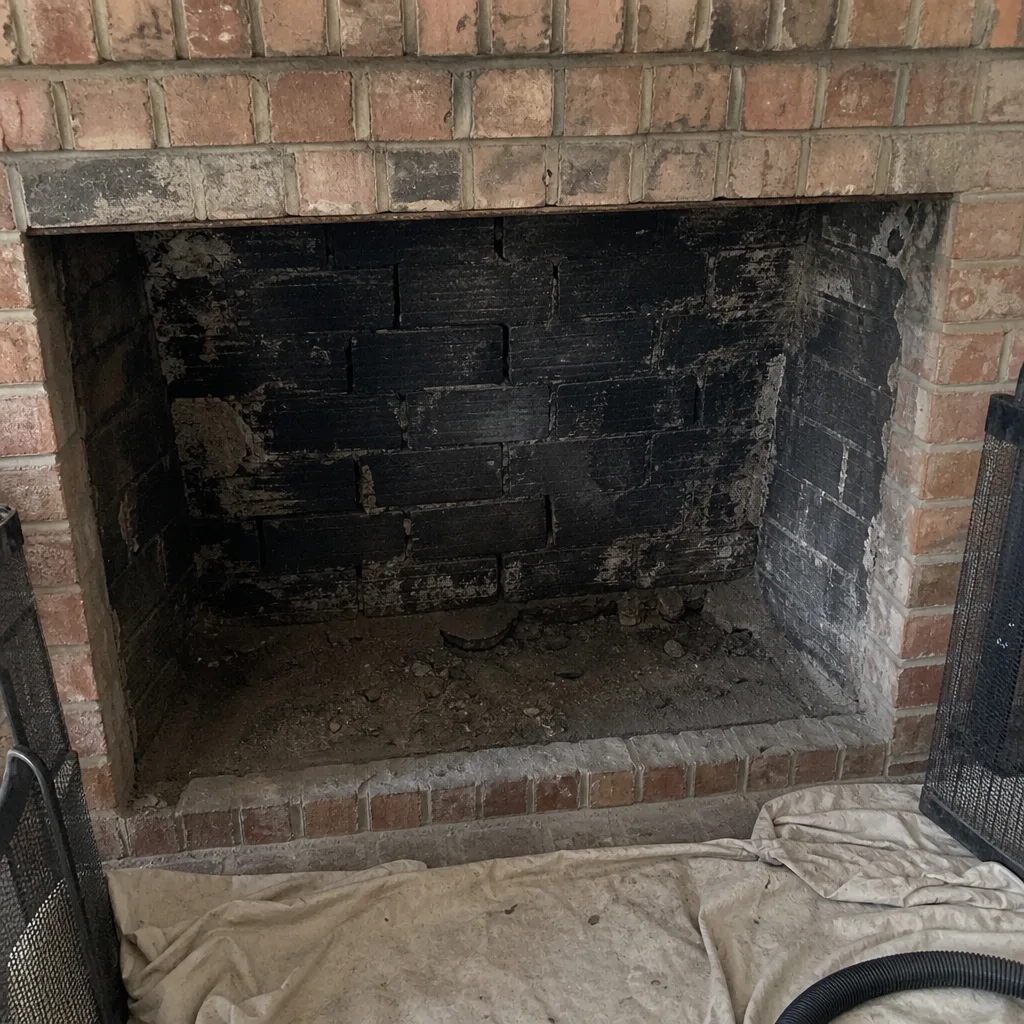 Before
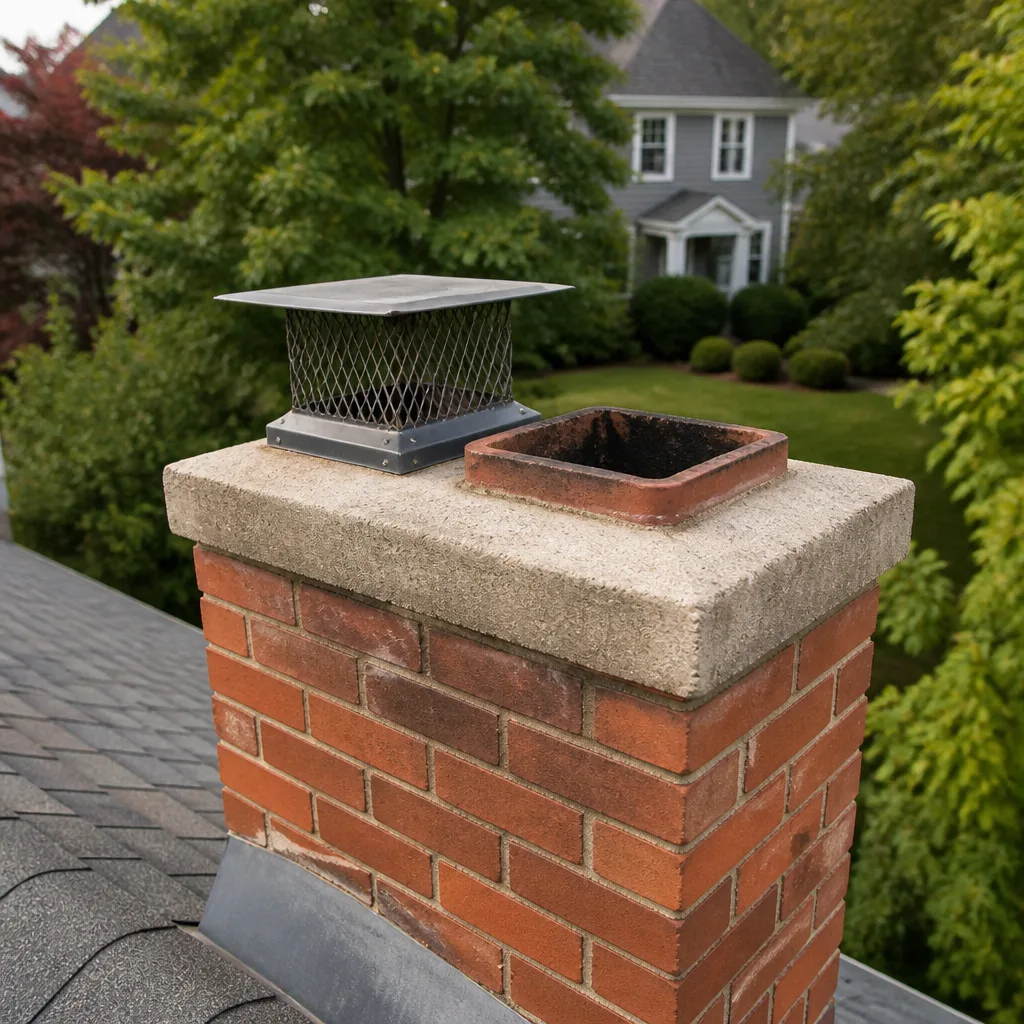
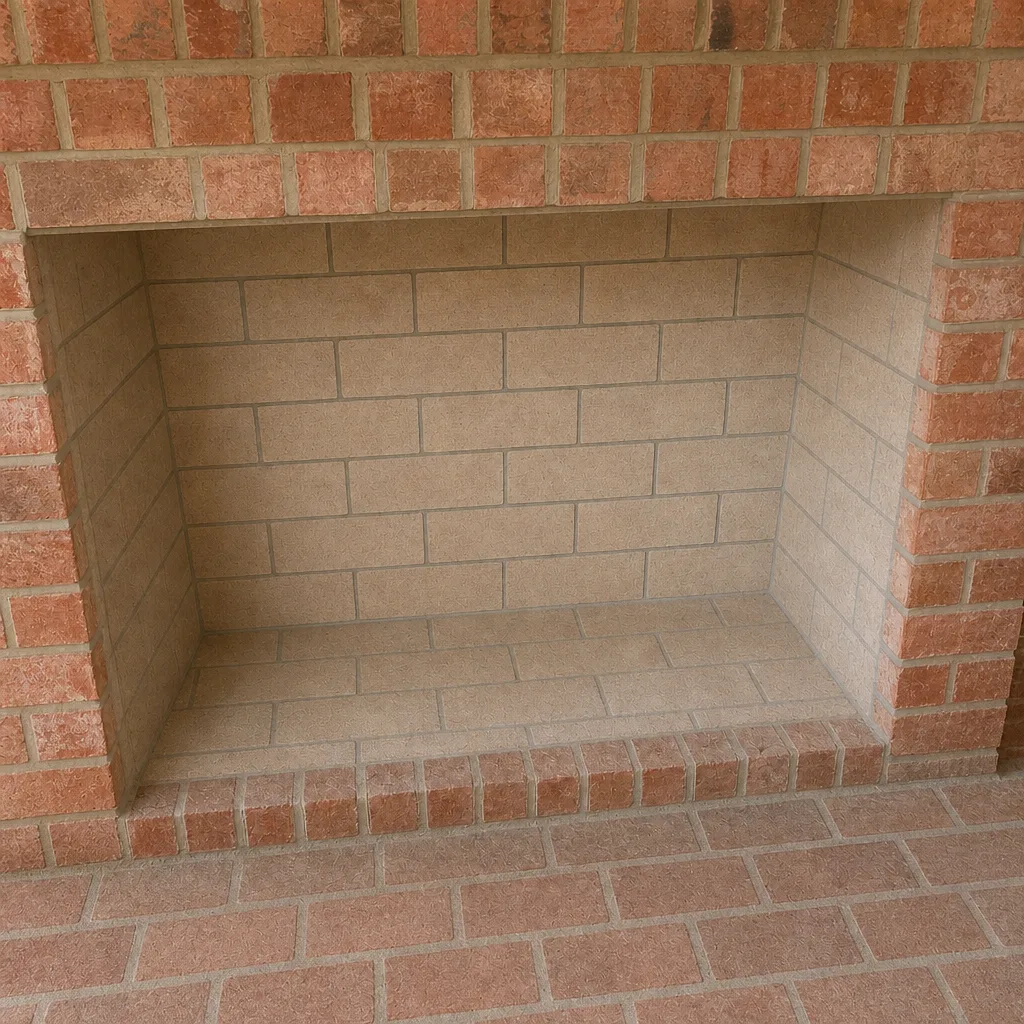 After
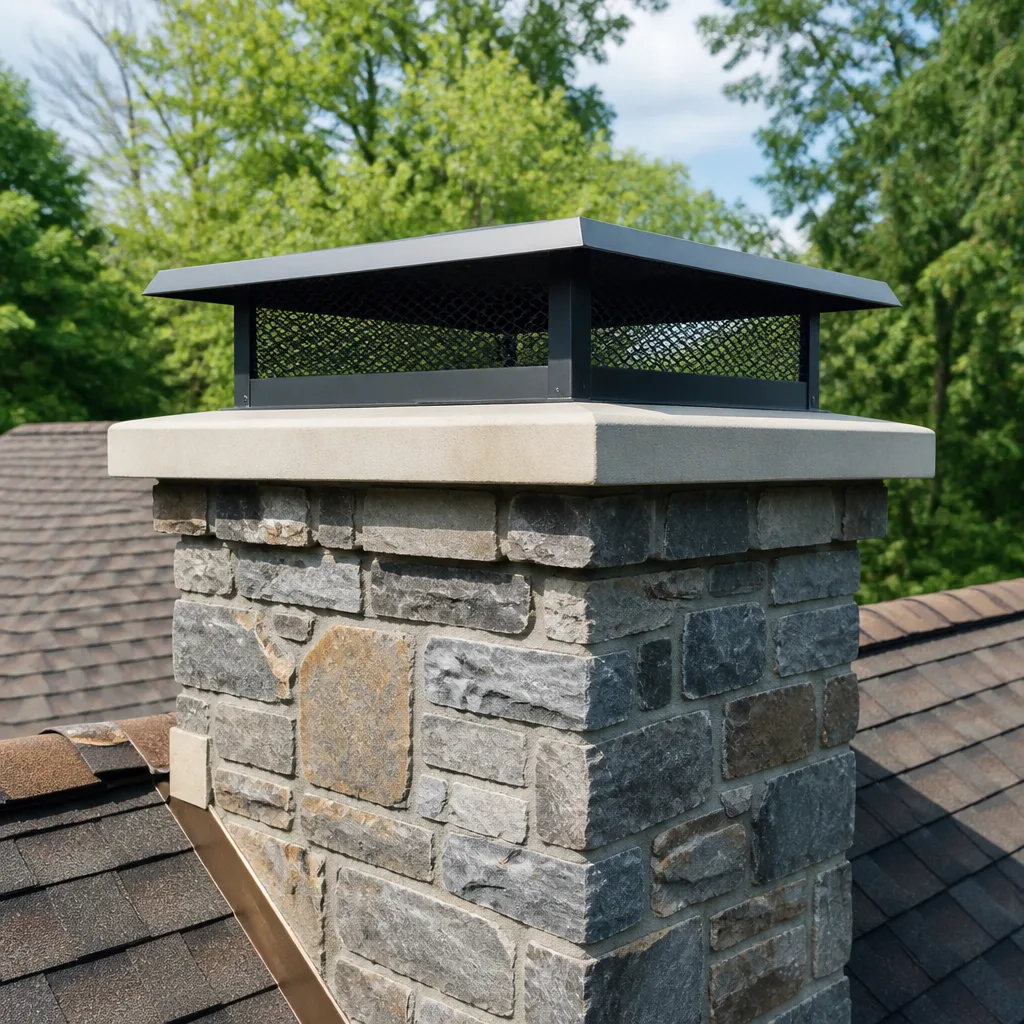
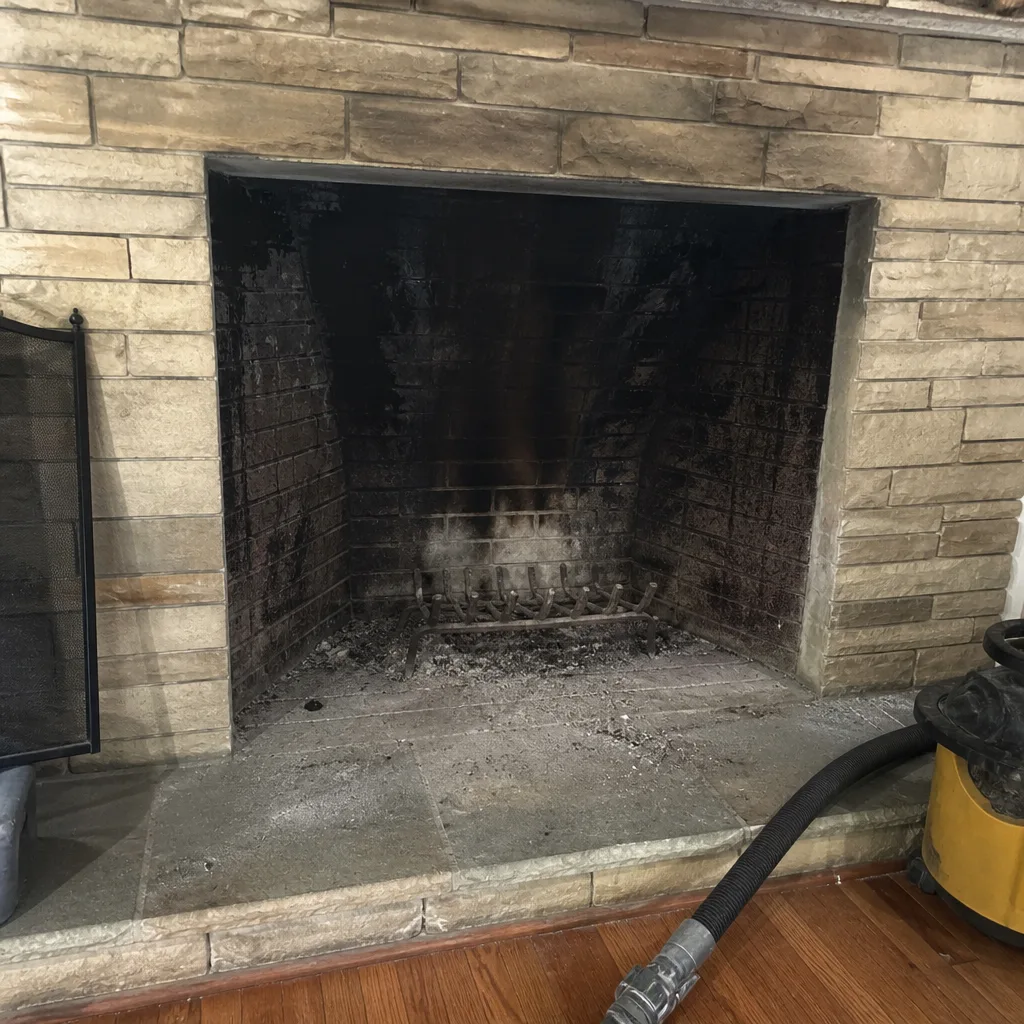 Before
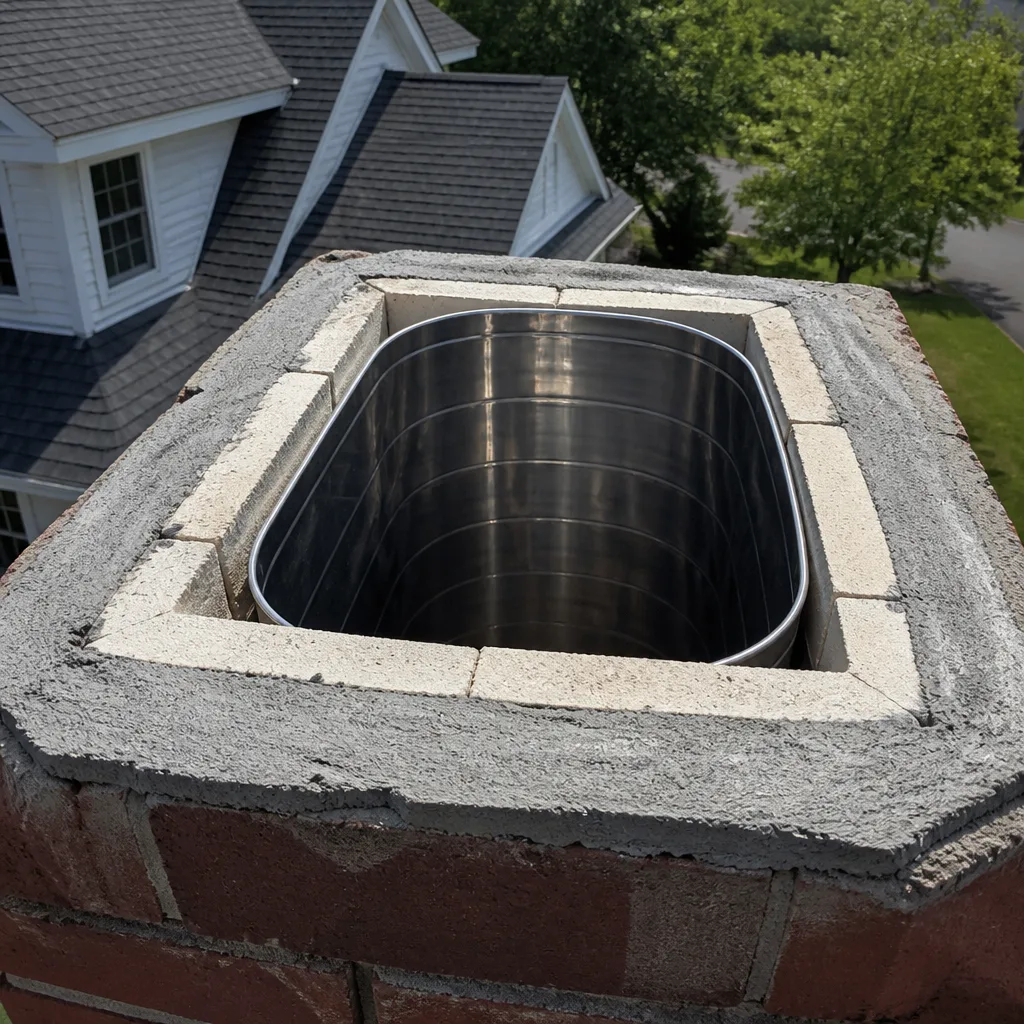
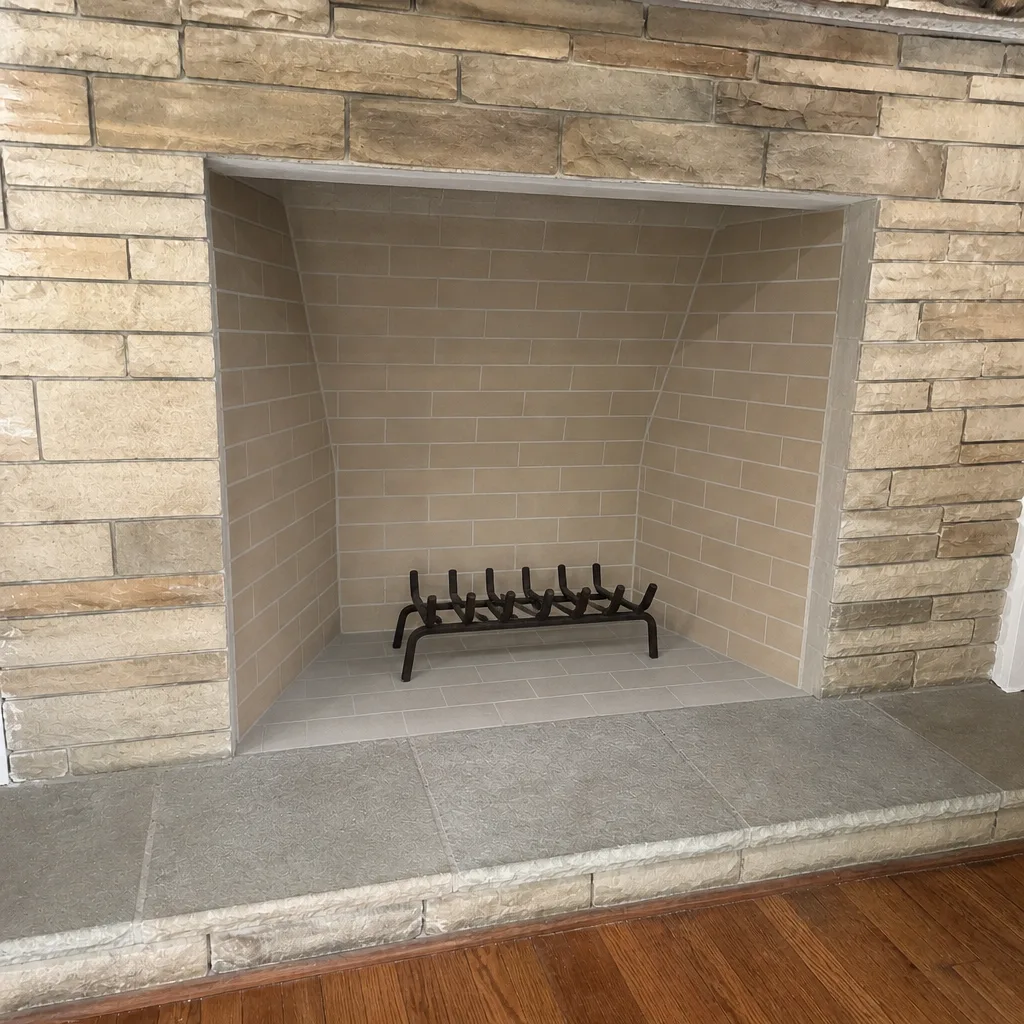 After
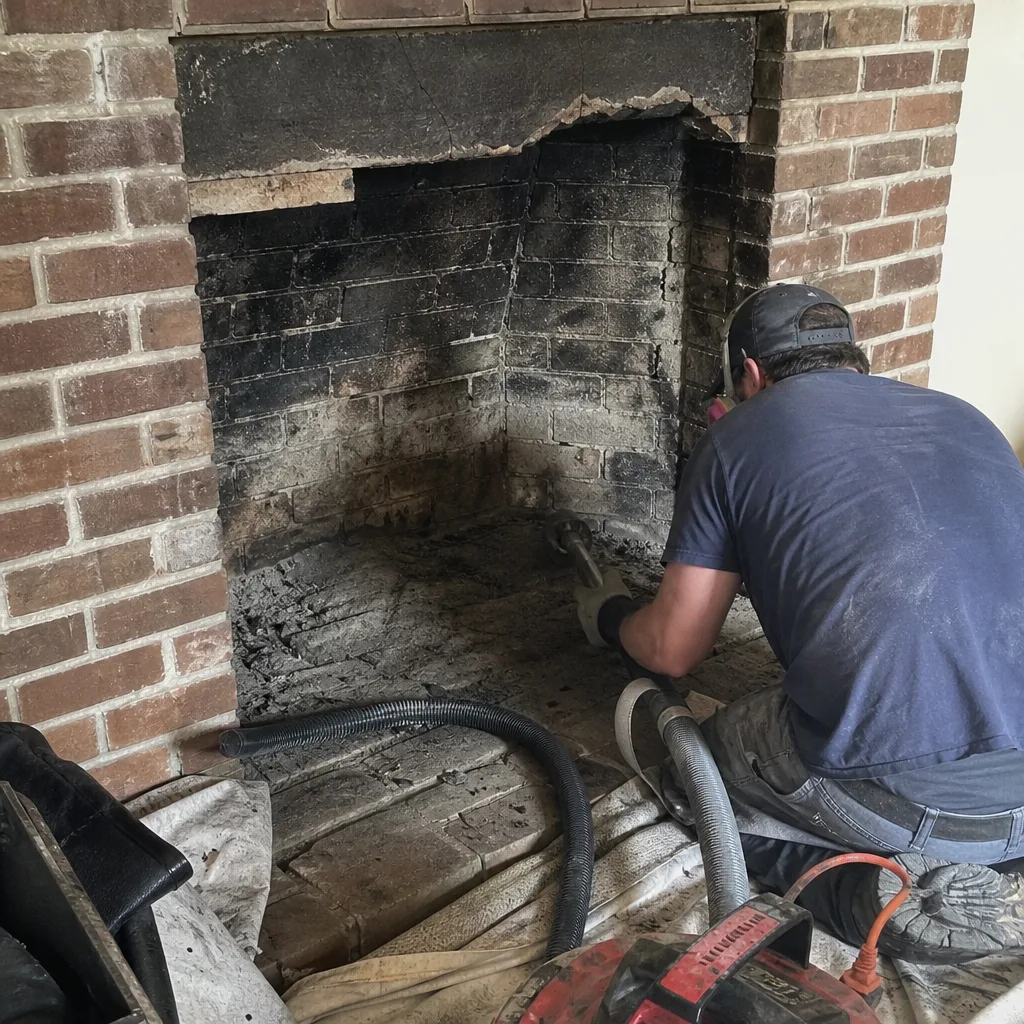 Before
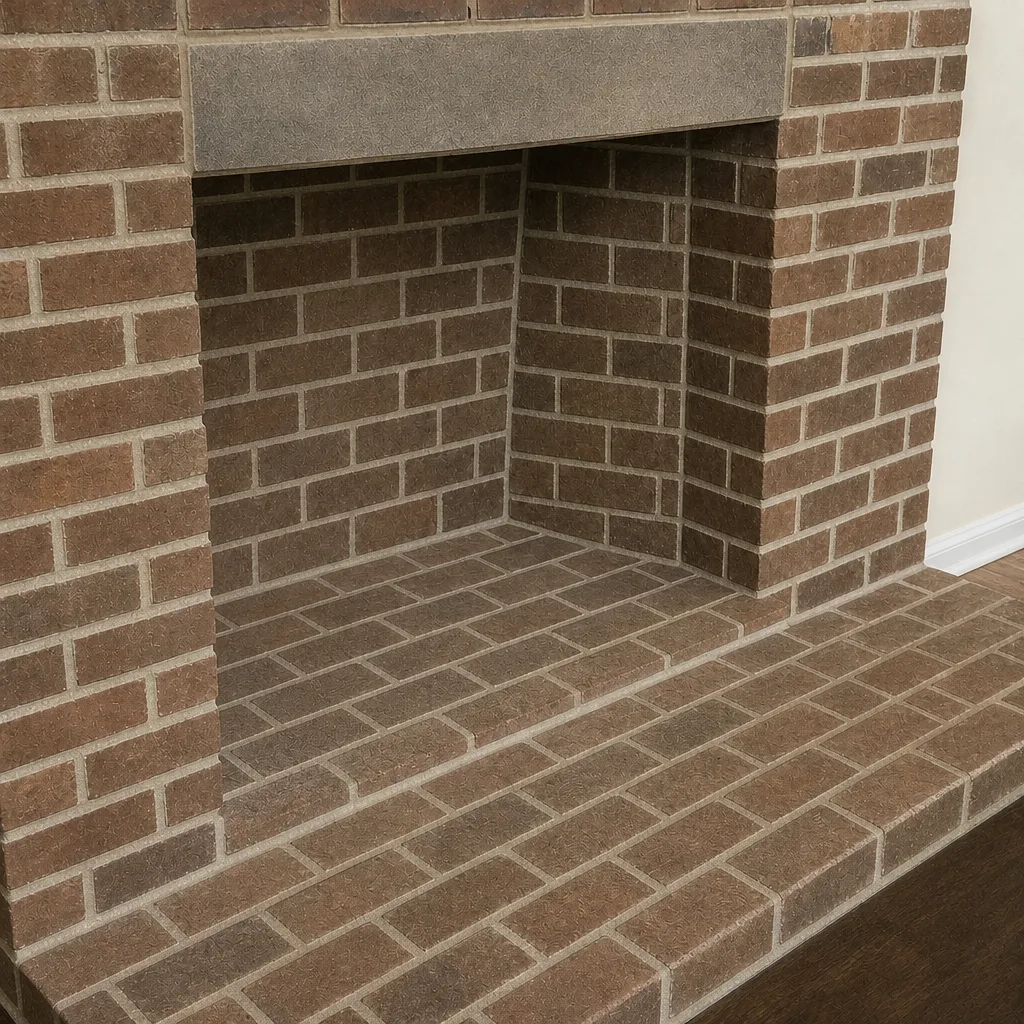 After
When to Call a Professional
Call a professional when you’re due for an annual cleaning, when you’ve bought a home and don’t have a documented inspection from the seller, when you’ve changed fuel type or added a new appliance, or when you’ve had a chimney fire. Call when you smell a strong creosote odor on warm days, when the firebox shows cracked masonry, or when the exterior of the chimney has spalling brick or a visibly cracked crown. Call if the damper doesn’t open or close smoothly, if smoke backs into the room, or if your insurance carrier has flagged the chimney or dryer vent. Louisville Chimney Cleaning offers free estimates in Louisville, with camera inspection and photo documentation included. Call (844) 560-6386 for an exact quote.
Frequently Asked Questions
A typical chimney cleaning in Louisville runs in a range set per job by a written estimate, and the estimate is free. The price depends on the inspection level, whether the flue needs a camera scan, and whether the visit uncovers a repair. Ask for the estimate in writing before any work begins. Call (844) 560-6386 for an exact quote.
Only if the camera scan shows the existing liner is cracked through, mis-sized for the appliance, or deteriorated enough that resurfacing can’t stabilize it. A good report shows you the photo and explains the reasoning. If the damage is surface-level, HeatShield resurfacing can often restore the flue without a full reline. Call (844) 560-6386 and we’ll walk you through what the inspection shows.
Once a year during heating season is the standard baseline for a working fireplace. Homes that burn heavily or burn unseasoned wood may need it more often because the creosote stage advances faster. A professional sweep can tell you within a season or two what your specific burning pattern requires. Call (844) 560-6386 to book a sweep.
Creosote builds up and advances through stages, and the glazed stage is the one most associated with chimney fires that crack flue tile. A blocked or damaged flue also raises carbon monoxide risk because combustion gases don’t vent properly. The risk compounds quietly, which is why the annual cleaning matters even when the fireplace seems to work fine. Call (844) 560-6386 to schedule an inspection before heating season.
No. A cleaning removes creosote and soot from the flue. An inspection evaluates the full chimney system: flue, liner, crown, cap, firebox, damper, and smoke chamber. A proper visit includes both, and the inspection is documented with photos. Call (844) 560-6386 for a visit that covers both.
We handle both, along with dryer vent cleaning. When a cleaning turns up a cracked crown, a failed liner, or a smoke chamber that needs resurfacing, we repair it on the same visit using professional-grade materials from brands like HeatShield and DuraFlex, so you’re not coordinating a second contractor. Call (844) 560-6386 for a free estimate.
The Bottom Line
Chimney cleaning in Louisville isn’t a brush down a flue. The climate here, with its wet winters and freeze-thaw cycles along the Ohio River corridor, works on masonry and mortar in ways that demand a real inspection every year. The cleaning matters, but what the inspection catches is what prevents the fire. Ask for the inspection level, ask for the camera report, ask for the photo evidence. A company that can show you those things and repair what they find is the company worth calling. One visit should cover the sweep, the diagnosis, and the repair decision.
Call (844) 560-6386. We answer 24/7. Fast dispatch from 7am to 7pm, Sunday through Friday. Estimates are free, and the written estimate sets the final price. Serving homeowners throughout Louisville, from the older housing stock near the river to newer construction out toward the county line, with the same full-scope approach on every visit.
Written by the team at Louisville Chimney Cleaning.