
Last updated November 15, 2026
 Sweep & inspection
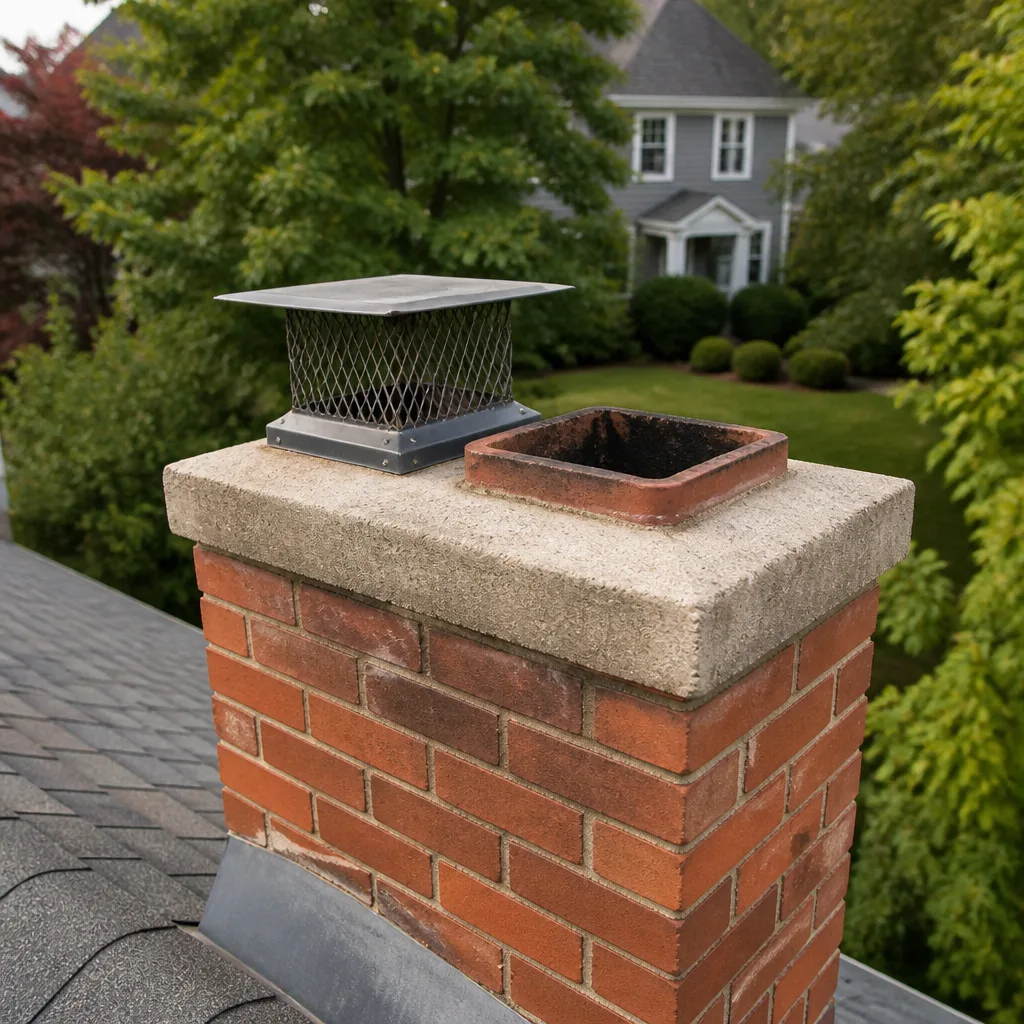
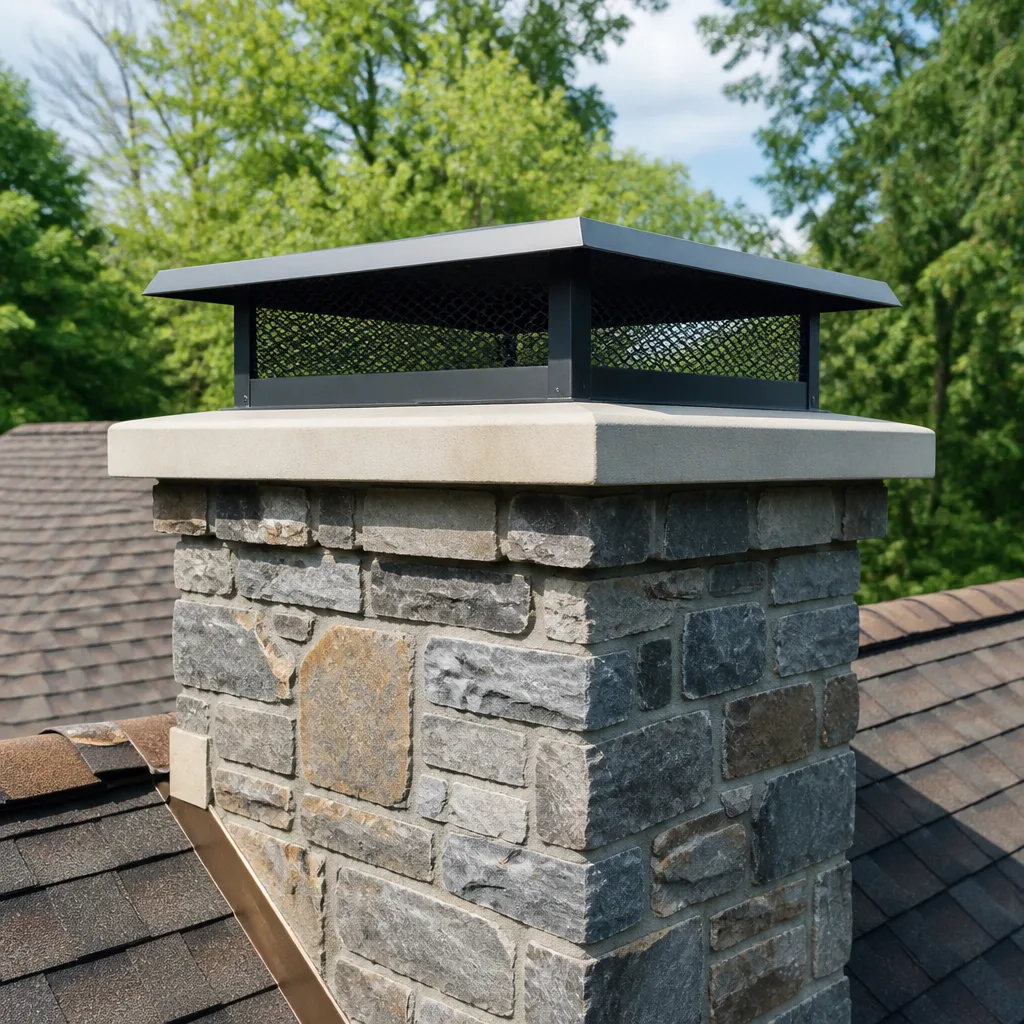 Caps & crowns
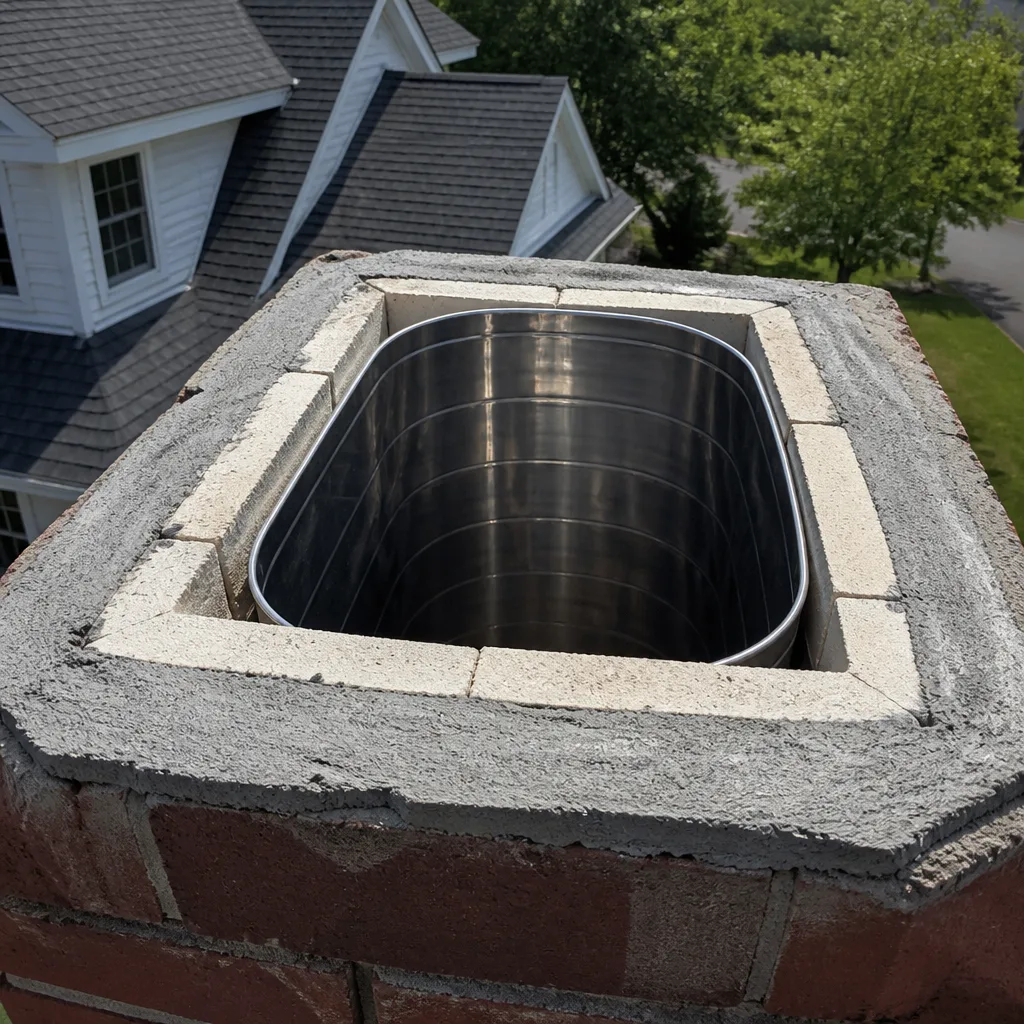 Flue relining
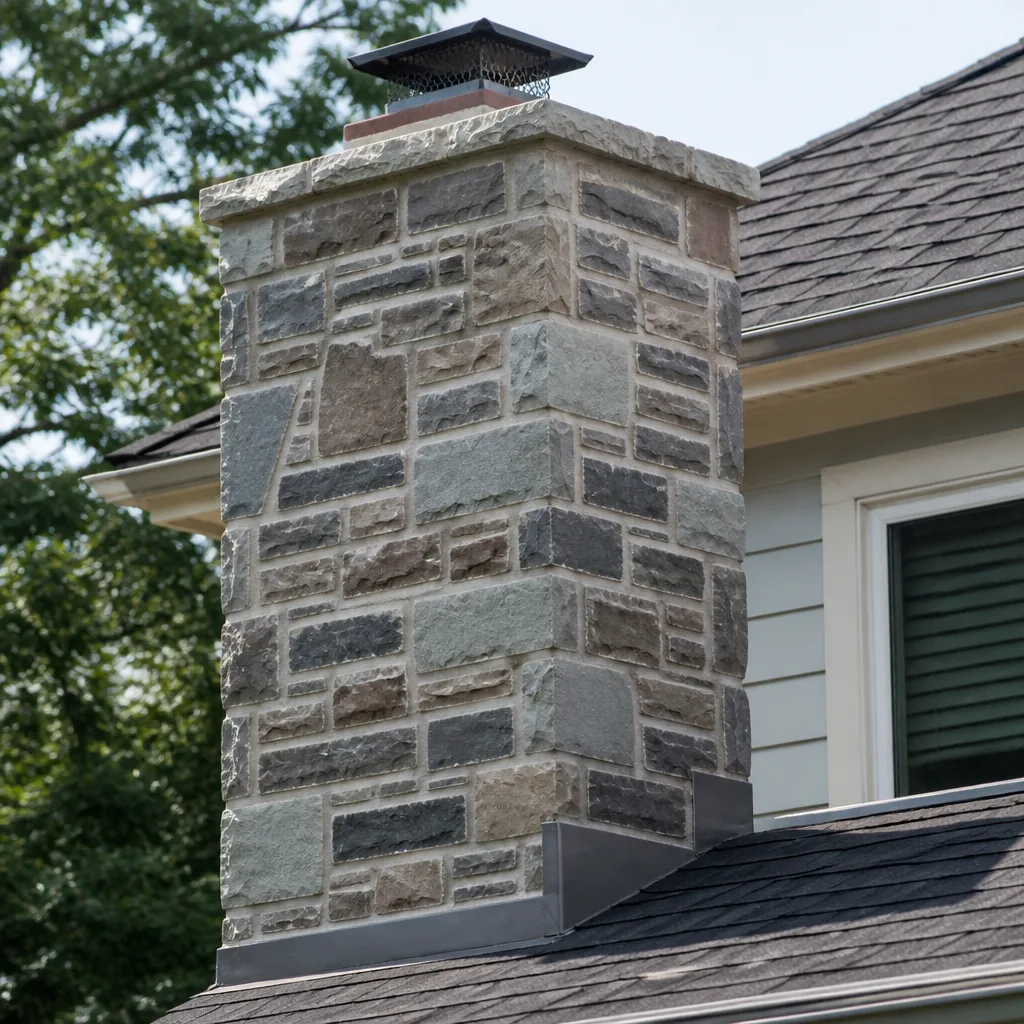 Masonry repair
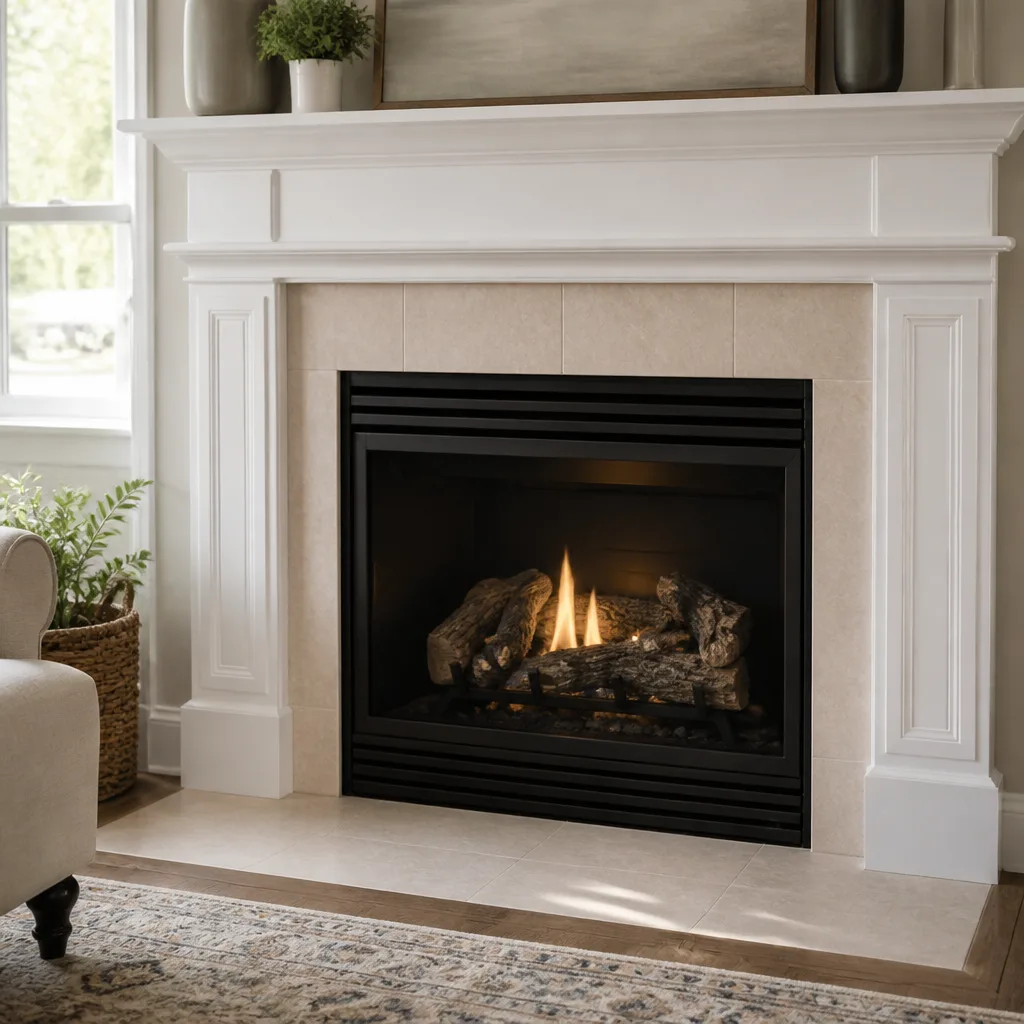 Gas fireplace service
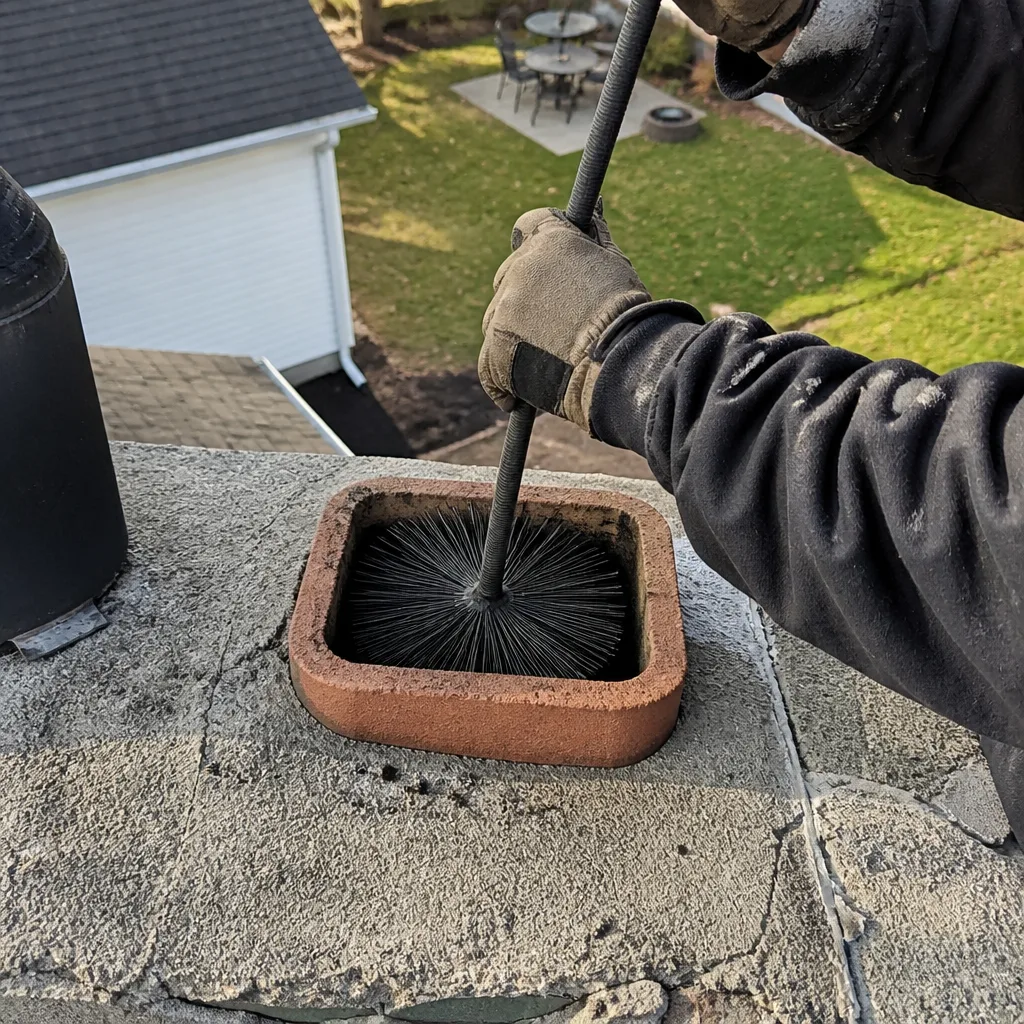
Level 1 sweep and inspection to the NFPA 211 annual standard - flue, crown, cap, and flashing checked and photographed
Chimney sweep logs do not sweep chimneys. They loosen some creosote - which then falls where a brush and vacuum still have to collect it.
Chimney Cleaning Cost Breakdown: The Louisville Homeowner’s Reference for 2026
The $89 chimney sweep special almost always excludes a camera inspection. That means you’ve paid for a cleaning but have no documented proof of what condition your flue is actually in. That’s not a bargain; that’s a liability. In Louisville, where a lot of housing stock predates modern liner standards, the flue can look fine from the firebox and still be hiding cracked mortar joints, gaps at the tile seams, or a crown that’s been pulling water into the masonry for years. This guide itemizes what chimney cleaning and repair actually cost in Louisville in 2026, what each line on an estimate represents, and how to tell a real quote from a number designed to get a truck in your driveway.
Quick Answer
A standard chimney sweep in Louisville typically runs $150 to $300, and a full-scope service that adds a camera inspection, cap check, and written report usually lands between $250 and $450. Liner repairs range from about $1,200 to $2,500 for HeatShield resurfacing and $1,500 to $4,000 for a flexible stainless DuraFlex liner installation, with full clay tile relining costing more. The written estimate sets the final price.
Styles & brands we work with
- Sweep & inspection
- Caps & crowns
- Flue relining
- Masonry repair
- Gas fireplace service
Table of Contents
- What are you actually paying for in a chimney cleaning?
- Why do chimney cleaning quotes in Louisville range from $89 to $450+?
- Line-item cost breakdown of a full-scope chimney service
- Why liner repair and replacement costs vary so sharply
- The real cost of deferring maintenance
- What drives price variation among Louisville contractors
- How to read a chimney estimate before you sign
- Dryer vent cleaning and what it adds to the picture
What are you actually paying for in a chimney cleaning?
You’re paying for three things: labor, equipment, and documentation. The labor is the brushing itself, which for a straightforward flue takes a technician perhaps 30 to 60 minutes. The equipment is the industrial vacuum, the rods and brushes sized to your flue, the drop cloths that keep soot out of your living room, and the camera system that goes up the flue to record what’s actually there. The documentation is the written report that turns the visit into a record you can hand to an insurer, a home inspector, or a buyer.
The first two are what cheap sweeps trim. The third is what they drop entirely.
A chimney is a system, not a hole in the wall. The flue, liner, crown, cap, firebox, and damper all interact, and a problem in one place shows up as a symptom somewhere else. A crown that’s cracked lets water into the masonry, which spalls the brick and loosens the flue tiles, which opens gaps that let creosote and heat reach combustible framing. Cleaning the flue without checking the crown is like changing the oil without looking at the gaskets. The cleaning is necessary. It’s not sufficient.
That’s why we treat the camera inspection as part of the job, not an add-on. Our technicians have up to 13 years of experience, and in that time the pattern is consistent: the problems that matter most are almost never visible from the firebox. They’re six feet up the flue, or on the crown, or behind the cap. You can’t document what you can’t see.
What a sweep covers and what it doesn’t
- Standard sweep: Brushing the flue, removing creosote and soot, vacuuming the firebox, basic visual check from the firebox opening.
- Full-scope service: Everything above, plus a camera inspection of the flue, a crown and cap check, and a written report with photos.
- What neither covers: Liner repair, crown rebuilding, masonry repointing, cap replacement, or damper work. Those are separate line items, priced separately, and only after the inspection shows they’re needed.
Why do chimney cleaning quotes in Louisville range from $89 to $450+?
The spread comes down to what’s in the visit. A quote under $150 almost always means one of three things: no camera, no written report, or both. Sometimes it means a coupon price that gets revised once the technician is on site. Sometimes it means a generalist handyman with a shop vacuum and a brush who can’t tell a hairline crack from a failed joint.
At the upper end, $350 to $450 typically reflects a full-scope service in a home where the flue is dirty and the inspection finds enough to document – multiple flues, a wood stove or insert with a connector that needs separate attention, or access issues that add time. That’s the honest high end of a cleaning visit. Anything above that should be repair work, itemized separately.
Louisville adds its own variables. The city has a lot of older housing stock where the chimney was built before modern liner standards, and a flue that’s been in service for decades usually has more to inspect than a newer one. Homes with multiple flues – one for the furnace, one for the fireplace – take longer and cost more. Homes where the previous owner burned unseasoned wood or had a chimney fire nobody documented will show more creosote glazing, which takes more time to remove safely.
We don’t quote by phone for exactly this reason. A number given before anyone has seen the flue is a guess, and guesses get revised. The estimate is free, and it’s written after the technician has looked.
Line-item cost breakdown of a full-scope chimney service
Here’s what a full-scope visit actually consists of, and what each piece typically costs in the Louisville market in 2026. These are estimated ranges; the written estimate sets the final price.
| Line item | Typical range | Why it’s non-optional |
|---|---|---|
| Sweep labor (flue brushing, creosote removal, firebox vacuum) | $100 – $180 | Removes the fuel load. Creosote in the flue is what burns in a chimney fire. |
| Camera inspection | $75 – $150 | Documents flue condition with video and photos. Without it, you have no record of what’s inside. |
| Travel and setup (drop cloths, equipment staging) | $25 – $50 | Covers getting the equipment in, protecting floors and furnishings, and cleaning up after. |
| Cap and crown inspection | $25 – $60 | Water entry at the crown is the leading cause of masonry and liner deterioration. |
| Written report with photos | $25 – $50 | The documentation an insurer, inspector, or buyer will ask for. Cheap sweeps skip it. |
Add those up and you land in the $250 to $450 range for a full-scope service, which is where the honest quotes cluster. A $89 sweep strips out the inspection, the crown check, and the report. You get a clean flue and no information about the rest of the system.
The order matters too. Here’s how a proper full-scope visit runs:
- Arrival and protection. Drop cloths go down, the vacuum gets staged, and the technician walks the chimney system from the firebox up before touching anything.
- Brushing and vacuuming. The flue gets brushed from the top down with the vacuum running, so soot goes into the machine instead of your living room.
- Camera inspection. A camera goes up the flue and records the interior. The technician reviews it with you and points out anything that needs attention.
- Exterior check. Crown, cap, flashing, and masonry get checked for cracks, spalling, or gaps.
- Written report and estimate. You get photos, findings, and – only if repair work is actually needed – a separate itemized estimate for it.
That sequence is why we can tell a homeowner plainly when work can wait. If the camera shows a sound liner and the crown is intact, the report says so, and nothing gets sold. If it shows a gap or a failed joint, you see the footage yourself before anyone quotes a repair.
Why liner repair and replacement costs vary so sharply
Liner work is where chimney estimates diverge the most, because there are genuinely different repairs for genuinely different problems, and the cost difference between them reflects real material and labor differences – not upselling.
HeatShield resurfacing: $1,200 – $2,500
HeatShield is a certified flue-repair system that resurface the interior of a clay tile flue. A technician applies it to seal cracks, gaps, and deteriorated joints without removing the existing tiles. It’s appropriate when the tiles are mostly intact but the joints have opened up, or when the flue surface has spalled. It’s not appropriate when the tiles are broken or displaced, because there’s nothing solid underneath to resurface.
We use HeatShield because it’s a product with its own certification and documented application standards. That matters. A repair done to a documented standard is one an insurer can rely on and a future inspector can verify. A patched-together fix isn’t.
DuraFlex flexible stainless liner installation: $1,500 – $4,000
When the existing flue is too deteriorated to resurface – broken tiles, gaps that go through the wall of the flue, or a flue that was never properly lined to begin with – a flexible stainless liner is the repair. DuraFlex liner systems are installed inside the existing flue to create a new, continuous, sealed path for exhaust gases. The cost depends on flue height, whether the liner needs insulation, and whether the top and bottom connections require additional hardware.
A lot of sweep-only operations can’t offer this on the same visit. They find the problem, hand you off, and you schedule a second company for the repair. We do both, which means the liner gets installed while the flue is already open and the diagnosis is fresh.
Full clay tile relining
Full relining means removing and replacing the clay tiles, often because the flue was built for a different fuel than what’s being burned now (a wood stove in a fireplace flue, for example) or because the tile is too damaged for either of the above. This is the most involved repair and costs more than either resurfacing or a flexible liner. It’s also sometimes the only correct answer, and a technician who recommends it when HeatShield would have worked isn’t doing the homeowner any favors.
The brand names on the materials matter here. We source from professional-grade suppliers including Gelco and Olympia Chimney so the caps, venting, and hardware installed on a repair are the same grade the liner is. Hardware-store caps don’t hold up the way a professional-grade cap does, and a failed cap is exactly how the water damage that leads to liner replacement starts.
The real cost of deferring maintenance
A $300 cleaning-and-inspection appointment is cheap next to a $4,000 liner replacement. That comparison is the whole argument, and it’s worth sitting with.
The mechanism is almost always moisture. In Louisville, a chimney spends the summer getting rained on, and if the crown is cracked or the cap is missing or failing, water gets into the masonry. Water freezes in a cold snap, expands, and spalls the brick from the inside. It works its way into the flue joints and loosens them. It rusts the damper. If a stainless liner is already installed, it can corrode the liner from the outside.
None of that shows up in how the fireplace works. A chimney with a failing crown and loosening joints drafts just fine until it doesn’t. That’s the trap: the problems that cost the most are the ones the homeowner never experiences as a problem until the inspection finds them, or until a chimney fire does.
Two things are worth saying plainly:
- Creosote is the fuel load. It accumulates in the flue as a normal byproduct of burning wood, and it’s what actually burns in a chimney fire. Glazed creosote – the hard, shiny kind that forms when wood is burned too green or the fire runs too cool – is harder to remove and more dangerous to leave. A sweep removes it. Nothing else does.
- A blocked or damaged flue is a carbon monoxide path. Gas appliances and wood stoves both rely on a sound flue to vent combustion gases up and out. A flue with a failed liner or a blocked cap can send those gases into the house instead. That’s the reason chimney work is safety work, not housekeeping.
We’re not in the business of telling homeowners their chimney is about to fail. When the camera shows a sound flue, we say the work can wait. But when it shows a problem, deferring it doesn’t make it smaller – it just moves the cost up the scale from a cleaning to a reline.
What drives price variation among Louisville contractors
Two contractors can quote a cleaning $150 apart and both be honest, because the cost of doing the work correctly varies. Here’s what’s behind the difference.
Certification and training overhead
CSIA-certified sweeps carry the cost of certification, continuing education, and the standards that come with it. That overhead shows up in the price. It also shows up in the quality of the diagnosis, because a certified sweep is trained to read the whole system rather than just brush the flue.
Equipment
An industrial vacuum, a flue camera system, and properly sized rods and brushes are real capital. A camera system alone runs into the thousands. A contractor using a shop vacuum and a brush set has lower overhead and a lower price, and also can’t show you what’s inside your flue.
Material sourcing
A contractor who orders from a professional supply house carries professional-grade materials: Gelco caps, Olympia Chimney components, Famco vent covers, Copperfield products. A contractor sourcing from a retail store carries what’s on the shelf. The price gap reflects the difference in the parts, and the parts are what’s actually installed on your house.
Whether repair is in-house
A sweep-only company quotes low on cleaning because cleaning is all it does. When it finds a problem, it refers you out, and you pay a second company for the repair. A full-scope company quotes the cleaning and the repair together, which sometimes looks higher on the initial call and ends up cheaper overall because there’s no second dispatch.
Our approach is to name the material when we quote it. A repair estimate that says “liner work – $2,400” is a number. An estimate that says “DuraFlex liner, insulated, with a Gelco cap” is a specification you can compare against another quote. Ask for the second version.
How to read a chimney estimate before you sign
An estimate is only useful if it’s specific enough to compare. Here’s how to tell a real one from a vague one.
What should be itemized:
- Sweep labor, camera inspection, travel, cap and crown check, and the written report as separate lines (or clearly bundled with each named).
- Any repair work broken out by material and scope, not lumped into a single “repair” number.
- The brand and specification of any material being installed – “HeatShield resurfacing,” “DuraFlex liner,” “Gelco cap” – not just “resurfacing” or “new cap.”
- The scope of the inspection itself: what gets checked, and whether photos and video are included.
What warrants a follow-up question:
- A repair quote with no inspection footage behind it. Ask to see the camera video. If they can’t show it, ask why.
- “Liner replacement” with no mention of which liner or why resurfacing wouldn’t work. Both are legitimate repairs for different conditions, and the estimate should say which condition applies.
- A price that changes between the phone call and the visit. Ask what the final number is based on.
- No written report offered. The report is the point. Without it, you have a clean flue and no record.
- Repair work quoted before the inspection. The cleaning comes first, the findings come second, and the repair estimate comes third – in that order.
One more thing to ask: will the same company do the repair, or will you be handed off? If a sweep finds a cracked liner and refers you out, you’re starting the process over with a second contractor who hasn’t seen the flue. We’d rather you compare the whole scope in one place.
Dryer vent cleaning and what it adds to the picture
Dryer vent cleaning is a separate service, usually $100 to $200, and it belongs in a guide about chimney costs because it’s the same kind of work for the same reason. A dryer vent is an exhaust path, and lint is a fuel load in exactly the way creosote is. It accumulates in the duct, restricts airflow, and creates the conditions for a fire. Most chimney companies ignore it. It’s a named service for us because the fire-safety framework is identical: remove the fuel, inspect the path, document the condition.
If you’re already booking a chimney sweep, it’s worth asking about the dryer vent at the same time. The same reasoning that makes a camera inspection non-optional on a flue applies to a dryer duct: you can’t tell how much lint is in there without looking, and “it seems to dry fine” is not an inspection. You can read more about how we handle dryer vent cleaning if that’s part of what you’re sorting out.
Common Mistakes to Avoid
- Buying on price alone. An $89 sweep that skips the camera and the report isn’t a cheaper version of a $300 visit. It’s a different, smaller service that leaves you without documentation. Compare scope, not just the number.
- Accepting a repair quote with no footage. If a contractor tells you the liner is cracked and can’t show you the video, ask for it before you sign anything. You should see what they saw.
- Assuming a clean flue means a sound chimney. The flue is one part of the system. A crown that’s letting water in will destroy the masonry whether the flue is clean or not, and the crown check is a different inspection.
- Waiting for a draft problem before booking. Chimneys draft fine right up until they don’t. Moisture damage and joint failure don’t announce themselves, which is exactly why the camera inspection exists.
- Skipping the dryer vent. It’s the same fire-safety logic as the chimney, and it’s easy to overlook because the dryer still works. Restricted airflow is the warning sign, not a stopped dryer.
- Hiring a sweep-only company for a repair job. If the cleaning turns up a liner problem, a sweep-only operation hands you off and you schedule a second company. One company for diagnosis, cleaning, and repair keeps the findings and the fix in the same place.
- Treating the estimate as a formality. The written estimate is the document that tells you what’s being installed, by brand, and what the scope includes. Read it before you book, and ask about anything that’s vague.
See the difference
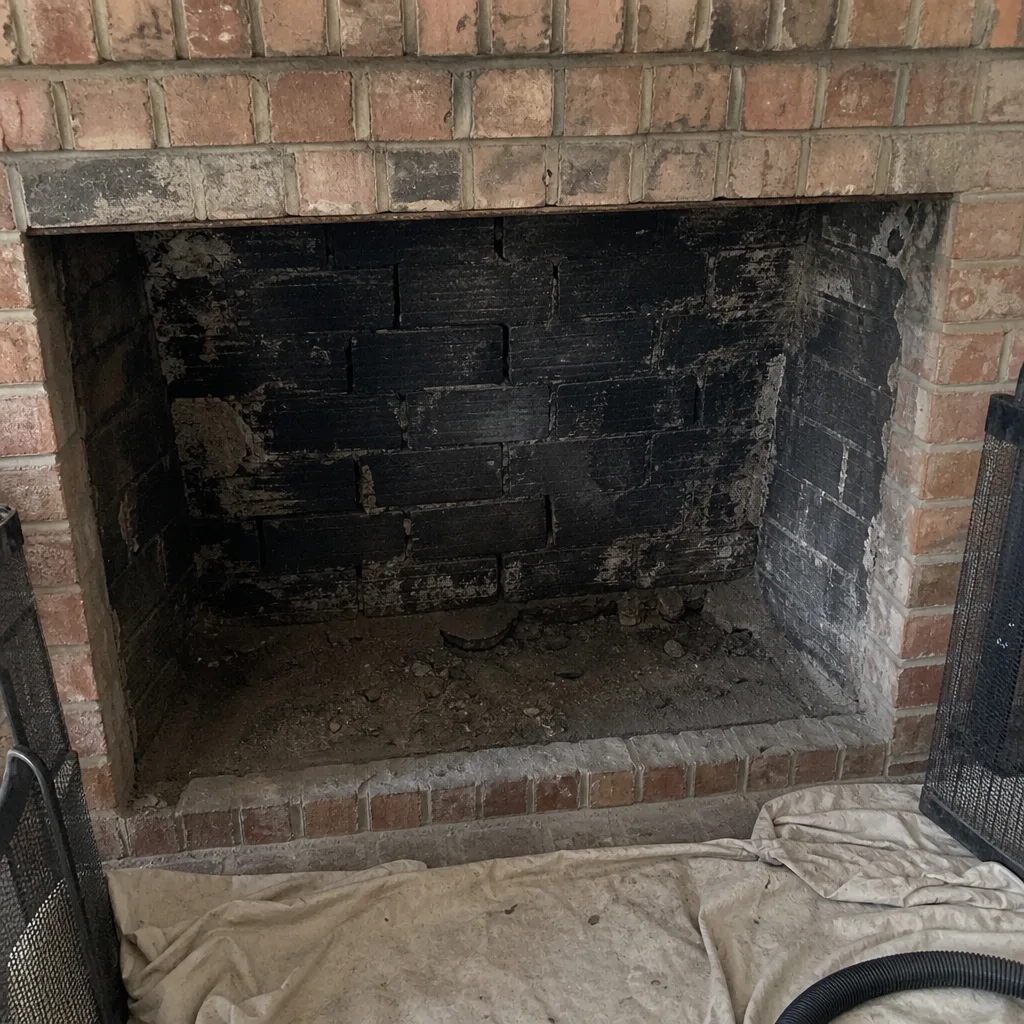 Before
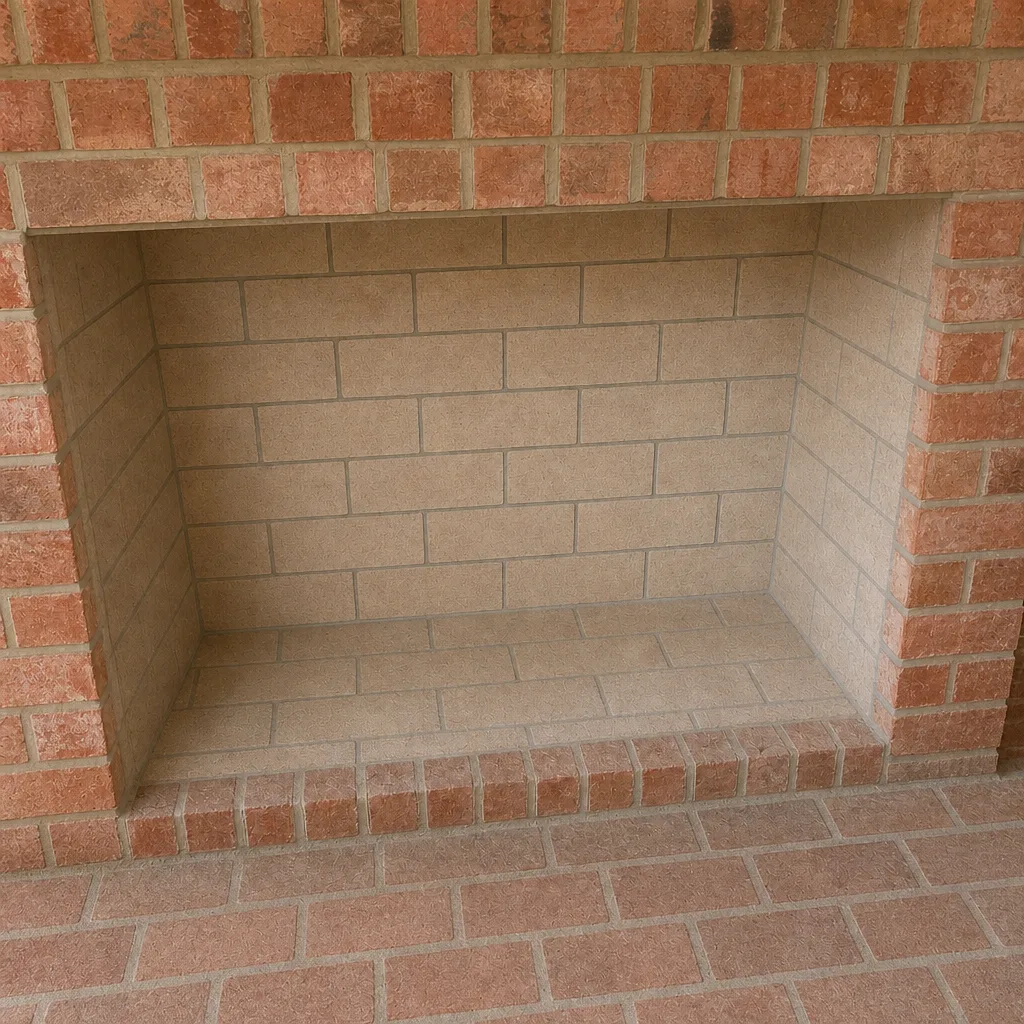 After
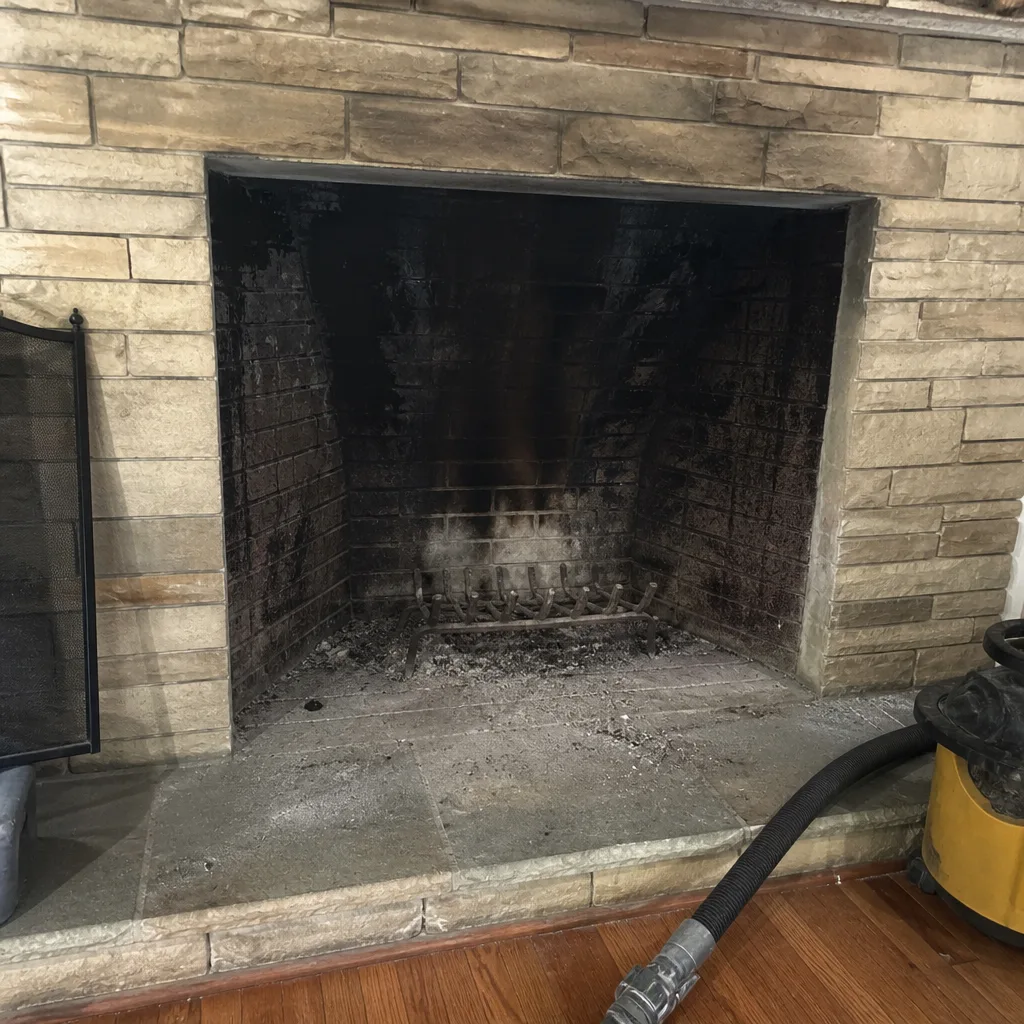 Before
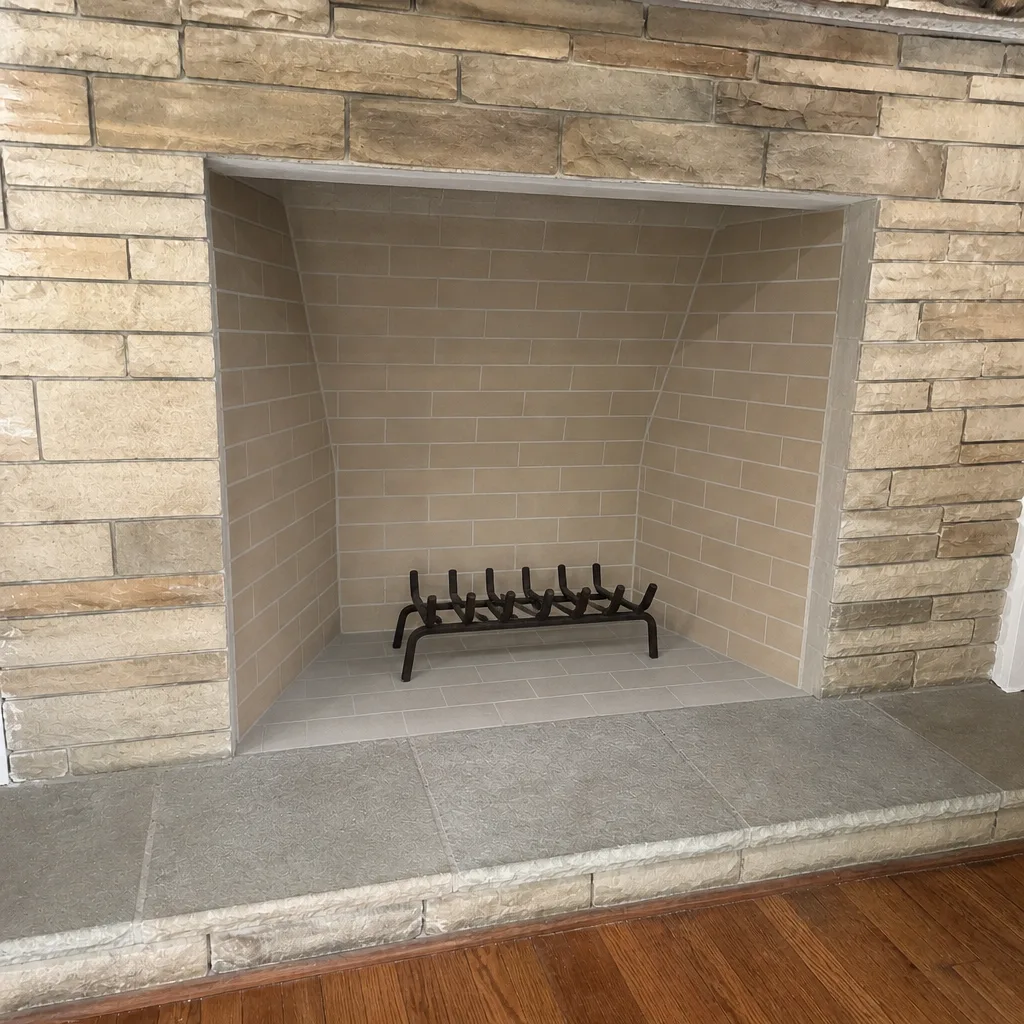 After
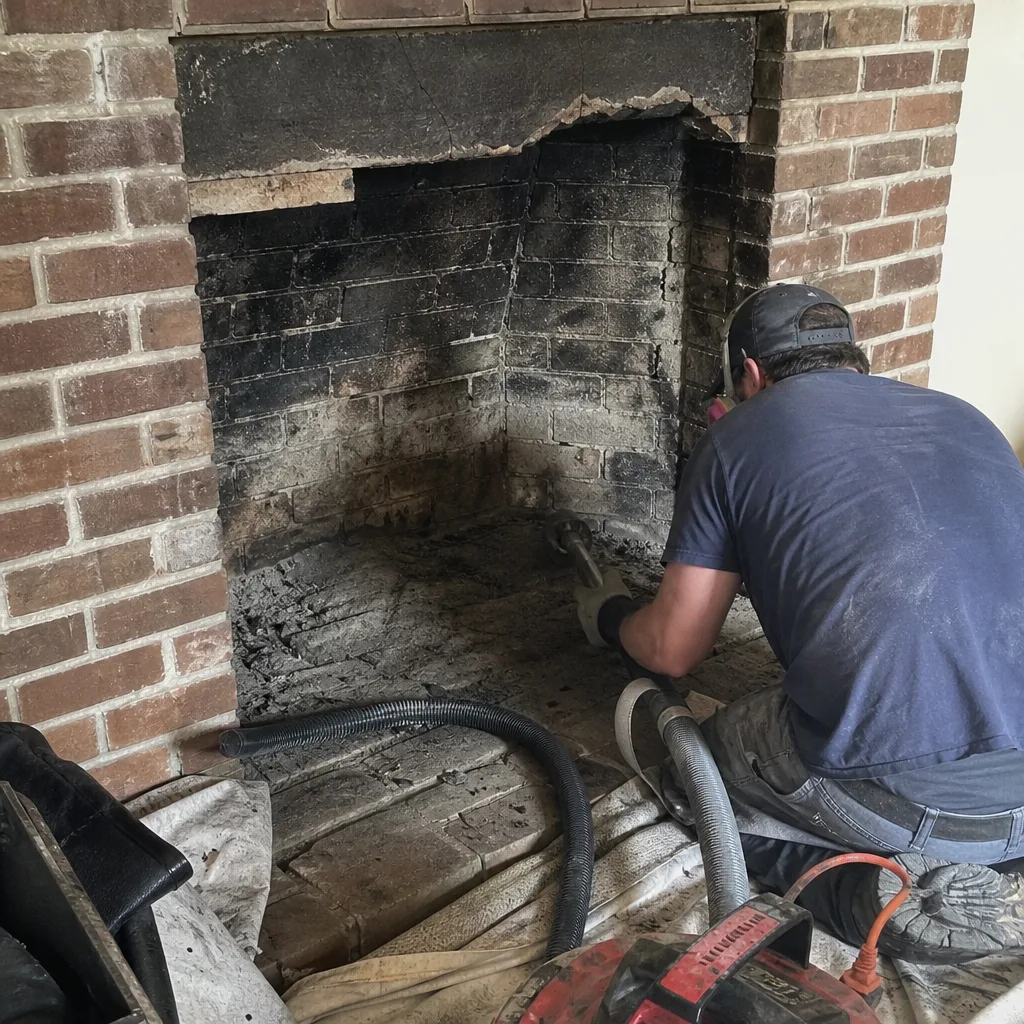 Before
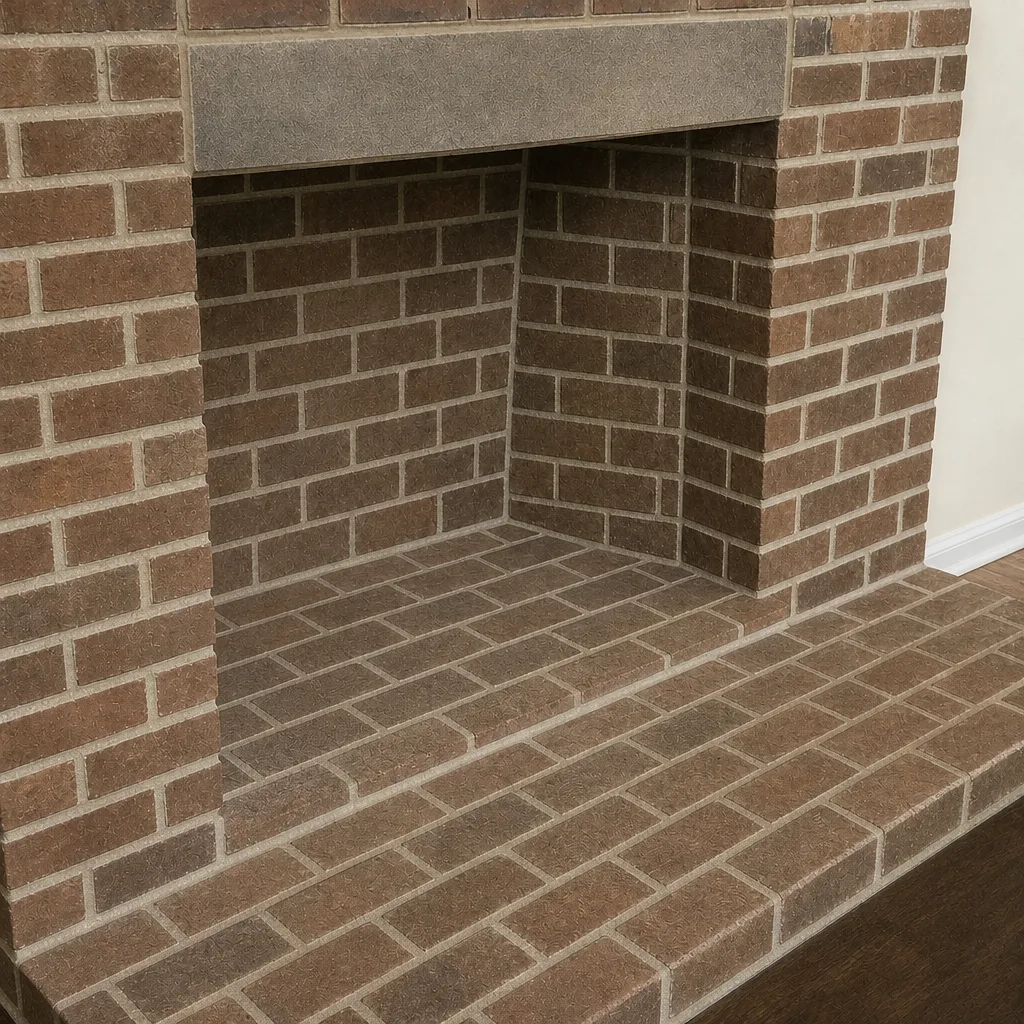 After
When to Call a Professional
Some chimney work is genuinely a call-a-professional situation, no exceptions. High-tension garage-door springs and cables aren’t part of this trade, but flue liners, electrical connections on gas inserts, and any work at height on a steep roof are – and those are jobs for a trained technician, not a weekend project.
Call a professional if: you’ve never had the flue inspected and the house is more than a few decades old; the fireplace or wood stove has been used heavily and the flue hasn’t been swept in a season or more; there’s a draft smell, smoke rolling back into the room, or a damper that won’t close; the crown has visible cracks or the cap is missing or damaged; a home inspector or insurance carrier has flagged the chimney; or you’re buying or selling a home and need a documented condition report. For anything involving an electrical panel, gas line, or work on a steep roof, stop and call a licensed professional – those aren’t DIY territory.
Louisville Chimney Cleaning offers free estimates in Louisville – call (844) 560-6386. We answer 24/7. Fast dispatch from 7am to 7pm, Sunday through Friday. You can also learn more about our chimney sweep service and how we approach a full-scope visit.
Frequently Asked Questions
A standard chimney sweep in Louisville typically costs $150 to $300, and a full-scope service with a camera inspection and written report usually runs $250 to $450. The written estimate sets the final price. Call (844) 560-6386 for an exact quote – estimates are free.
Only if the camera inspection shows the existing flue can’t safely contain the exhaust – broken tiles, gaps through the flue wall, or a flue that was never properly lined. HeatShield resurfacing can often repair a flue that isn’t that far gone, and it’s the cheaper option at $1,200 to $2,500. We don’t recommend a liner without showing you the footage. Call (844) 560-6386 for an exact quote – estimates are free.
Once a year for most homes with an active fireplace or wood stove, and more often if you burn heavily or burn unseasoned wood. The annual visit is also the inspection, which is how moisture damage and joint failure get caught before they become a reline. Call (844) 560-6386 to book a sweep – estimates are free.
Creosote keeps accumulating in the flue, and creosote is what burns in a chimney fire. Separately, a crown or cap that’s failing lets water into the masonry all summer, which spalls the brick and loosens the flue joints until the liner needs replacing. A $300 cleaning-and-inspection visit is the cheap end of that scale. Call (844) 560-6386 for an exact quote – estimates are free.
Because the $89 special almost always excludes the camera inspection and the written report. You get a clean flue and no record of its condition. The $300 visit includes the footage and the documentation, which is what an insurer or a buyer will ask for. Call (844) 560-6386 – estimates are free.
With us, yes. Chimney repair is one of our three service lines, alongside sweeping and dryer vent cleaning, so a cleaning that turns up a cracked liner or a failed crown doesn’t send you to a second contractor. We work with DuraFlex, HeatShield, Gelco, Olympia Chimney, Famco, and Copperfield materials, and our technicians have up to 13 years of experience. Call (844) 560-6386 for an exact quote – estimates are free.
The Bottom Line
The price spread on Louisville chimney cleaning isn’t mysterious once you know what’s in the visit. Cheap quotes strip out the camera inspection and the written report, and those are the two things that turn a cleaning into documentation. The middle of the range – $250 to $450 for a full-scope service – is where honest quotes cluster. Repair costs follow the same logic: HeatShield resurfacing at $1,200 to $2,500 for a flue that can be saved, a DuraFlex liner at $1,500 to $4,000 when it can’t, and full relining beyond that. Deferring a $300 inspection is how you end up at the top of that scale instead of the bottom.
If you’re ready to know what condition your chimney system is actually in, start with a Louisville Chimney Cleaning visit that includes the camera and the report. If you’re still weighing a repair, you can read more about our Louisville approach to full-scope diagnosis and repair. Call (844) 560-6386 for a free estimate. We answer 24/7. Fast dispatch from 7am to 7pm, Sunday through Friday.
Written by the team at Louisville Chimney Cleaning.