
Last updated November 15, 2026
 Sweep & inspection
 Caps & crowns
 Flue relining
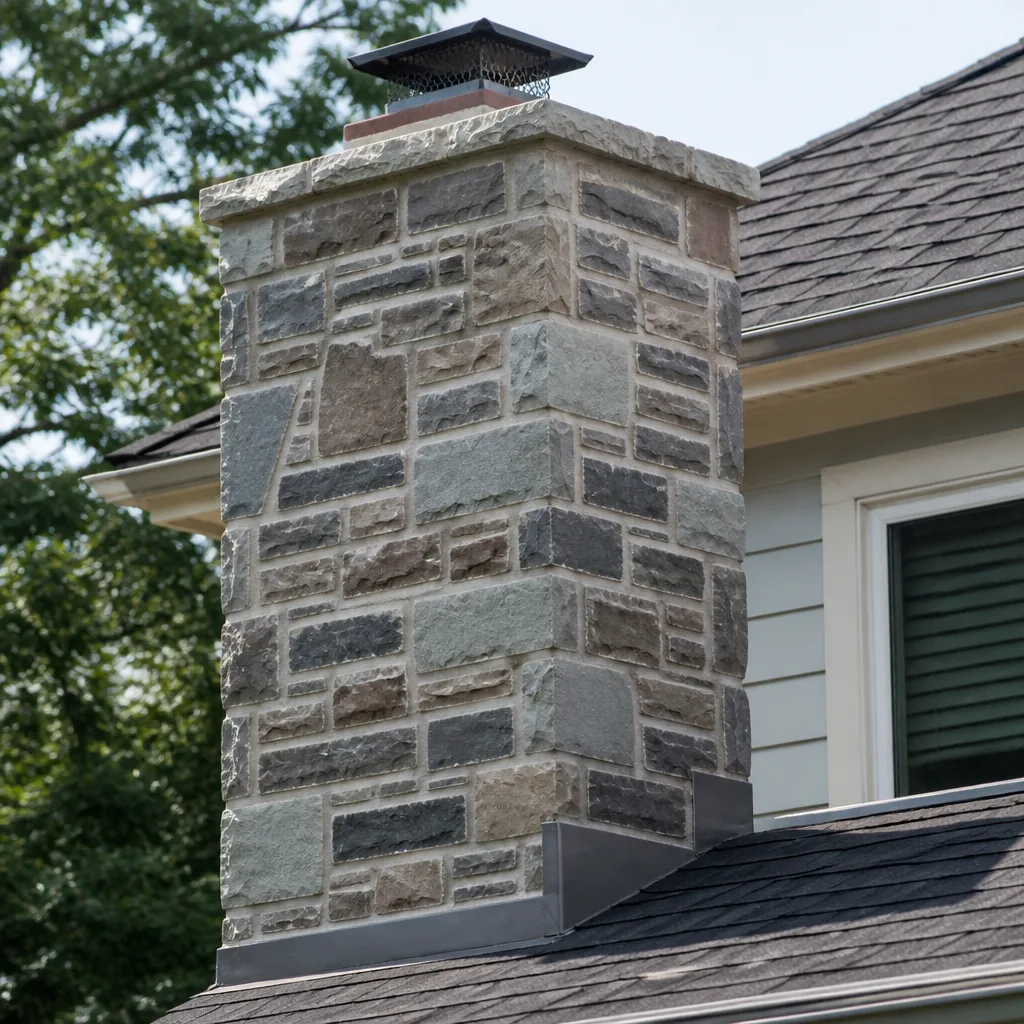 Masonry repair
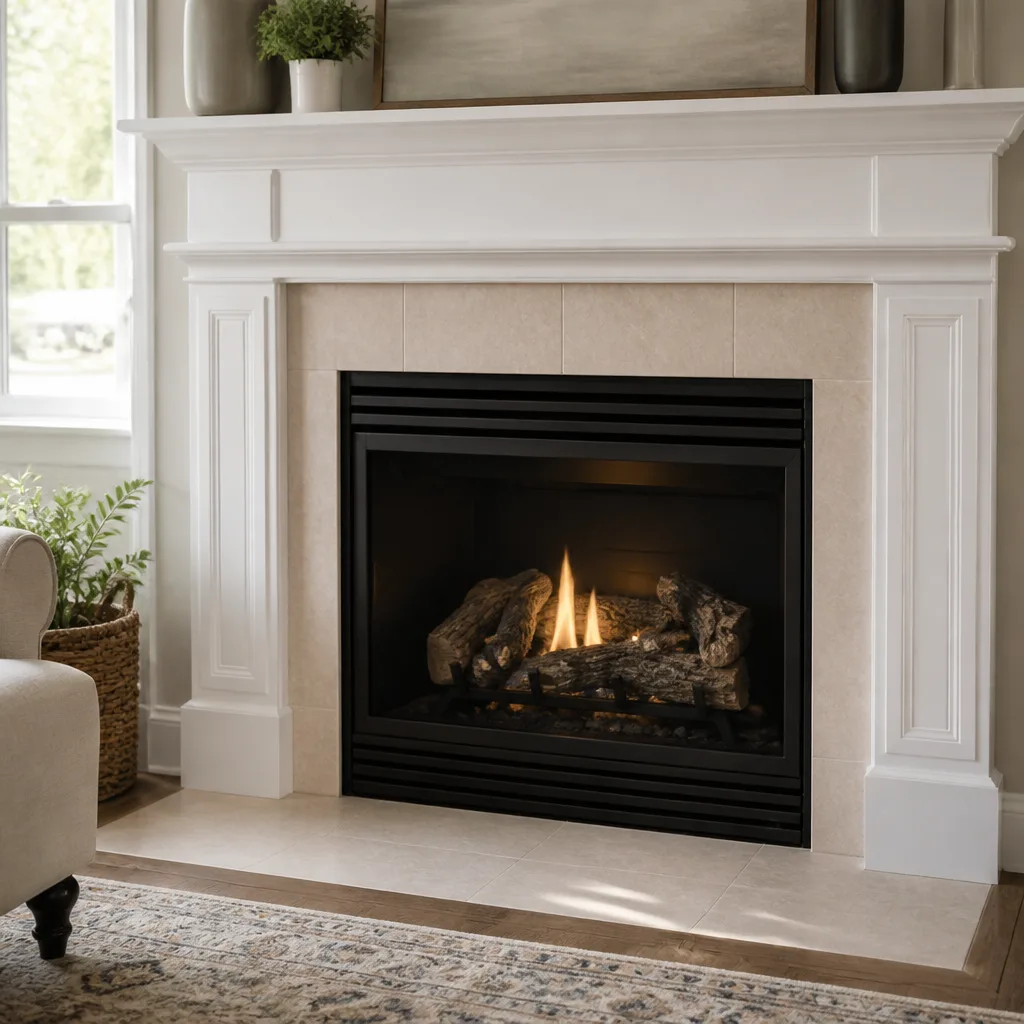 Gas fireplace service
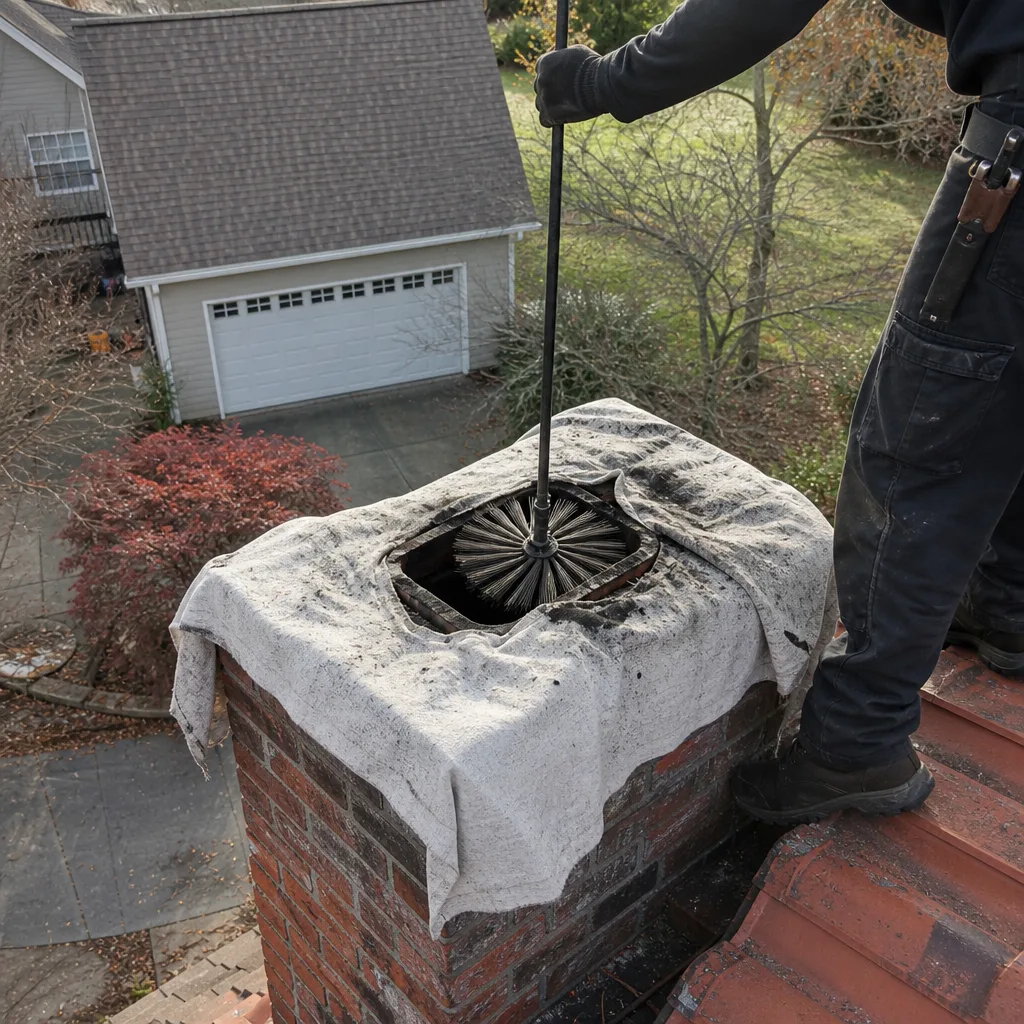
Level 1 sweep and inspection to the NFPA 211 annual standard - flue, crown, cap, and flashing checked and photographed
Chimney sweep logs do not sweep chimneys. They loosen some creosote - which then falls where a brush and vacuum still have to collect it.
Chimney Sweep Maintenance Schedule: What to Do and When
If you burned more than two cords of wood last winter, waiting until next October for your sweep means your flue spent nine months coated in stage-two creosote – the kind that bonds to terra cotta liner like tar and requires rotary cleaning, not a standard brush pass. That’s the part most homeowners miss. A single annual sweep is the floor, not the ceiling. The right schedule depends on what you burn, how often you burn it, and how old your chimney is. In this guide we lay out a month-by-month calendar built around Louisville‘s heating season, fuel-specific intervals for wood, gas, and pellet appliances, the spring checklist that protects masonry through summer humidity, and the data you should track between visits.
Quick Answer
A wood-burning chimney in Louisville should be swept once a year, and more often – typically every half cord to a full cord of burn time – if you use it heavily. Gas and pellet appliances need an annual inspection even when they look clean, because moisture, sulfur byproducts, and ash handling cause problems that aren’t visible from the firebox. Schedule your sweep before October, not during it, and add a post-season inspection in spring to catch cap, flashing, and crown damage before summer heat and humidity speed up masonry deterioration.
Styles & brands we work with
- Sweep & inspection
- Caps & crowns
- Flue relining
- Masonry repair
- Gas fireplace service
Table of Contents
- Why One Annual Sweep Falls Short
- Cleaning Intervals by Fuel Type
- Louisville Timing: Why Before October Matters
- The Spring Post-Season Checklist
- How Chimney Age Changes Your Schedule
- What to Track Between Professional Visits
- Month-by-Month Maintenance Calendar
- Common Mistakes to Avoid
Why One Annual Sweep Falls Short
The “once a year” rule is a starting point, and it’s a good one. It’s also the reason a lot of chimney fires happen in chimneys that were supposedly “just cleaned.” The standard assumes average use: a couple of fires a week through the cold months, a normal mix of seasoned wood. Change any of those variables and the interval has to change with them.
Creosote builds in stages. Stage one is a sooty dust that brushes off easily. Stage two is a crusty, flaky layer that clings to the flue wall. Stage three is a glazed, hardened deposit that bonds to terra cotta like tar – and that’s the layer that fuels a chimney fire once the internal temperature climbs high enough. A standard brush pass knocks down stage one and some of stage two. It doesn’t remove stage three. That takes rotary cleaning and, sometimes, more than one visit.
Here’s how we think about the schedule:
- Light use: Under one cord per season. One professional sweep per year, ideally in early fall.
- Heavy use: Two cords or more. Sweep once mid-season and again after the heating season ends.
- Gas and pellet: One annual inspection, regardless of visible buildup, because the failure modes aren’t always visible.
- Older masonry chimneys: Annual inspection plus a five-year camera inspection to check liner integrity from the inside.
If you’re not sure which category you fall into, the honest answer is to have the flue looked at and get a real assessment rather than guessing. A proper chimney sweep includes an inspection of the firebox, damper, smoke chamber, flue, and cap – not just a brush down the middle.
Cleaning Intervals by Fuel Type
This is the section most guides skip over, and it’s the one that matters most. Wood, gas, and pellet each produce a different kind of byproduct, and each demands a different cleaning rhythm.
Wood: Cord-Based Thresholds
Wood is the fuel that builds creosote fastest, and the pace depends on how much you burn and how well-seasoned the wood is. Damp wood burns cooler and produces more unburned volatiles, which condense in the flue as creosote. Seasoned wood burned hot produces less. The rule we use in our experience:
- Under one cord per season: Annual sweep, early fall.
- One to two cords: Annual sweep, plus a mid-season inspection in January or February if you’re burning daily.
- Two cords or more: Sweep in early fall, inspect again in mid-winter, sweep again in spring. That’s three visits, and it’s not overkill – it’s the honest interval for that volume.
Gas: Annual Even When It Looks Clean
A gas appliance burns cleaner than wood, and that lulls people into skipping service. Don’t. Gas combustion produces water vapor, and in a vented gas fireplace or insert that vapor can condense on the flue wall and, over time, combine with sulfur compounds from the fuel to form acidic deposits. Those deposits attack metal liners and masonry mortar from the inside. A gas flue that looks clear at the top can be slowly corroding at the bottom. Annual inspection catches it early.
Pellet: Ash Trap and Catalyst Cadence
Pellet appliances produce fine fly ash that settles in the flue, the vent termination, and the appliance’s own exhaust pathway. They also rely on mechanical components – an exhaust fan, a burn pot, sometimes a catalyst – that need periodic attention. Annual service includes emptying and checking the ash trap, verifying the vent is clear, and inspecting the catalyst if your unit has one. Skipping it typically shows up as a lazy flame, poor draft, or a unit that shuts down mid-burn.
Louisville Timing: Why Before October Matters
Every year we see the same pattern in Louisville: the first cold snap lands in late October, and the phone starts ringing the same week. Homeowners who haven’t had their chimney looked at in a year or more suddenly want an appointment, and they want it now. That surge collides with the normal fall demand from HVAC contractors and chimney sweeps across Jefferson County, and schedules fill up fast.
Here’s the practical case for scheduling in August or September:
- You get the appointment you want. Early fall is quieter, so it’s easier to book a slot that fits your week.
- Repairs can be completed before the first fire. If a cleaning turns up a cracked liner or spalled masonry, there’s time to fix it – not a scramble to reline the flue on the day you wanted to light the first fire.
- You find problems before the flue has been heat-cycled all season. A damaged crown or loose cap is far cheaper to address in September than after a winter of freeze-thaw and moisture intrusion.
Louisville’s climate adds its own pressure. Summers here are humid enough that masonry that took on water during spring rain will hold that moisture and drive freeze damage the following winter. A fall inspection that catches a hairline crack in the crown – before it becomes a water path into the chimney structure – is a lot less expensive than rebuilding a crown in the spring.
And this is where the brand-material point matters. When a fall sweep turns up a problem, we can usually address it in the same visit rather than handing you off to a second contractor. We work with DuraFlex liner systems for full flue relining, HeatShield for certified resurfacing, and Famco and Gelco for professional-grade caps and vent hardware. The point isn’t the brand name. The point is that cleaning and repair don’t have to be two separate appointments with two separate companies.
The Spring Post-Season Checklist
The heating season ends, and most homeowners stop thinking about the chimney until fall. That gap is where a lot of damage happens. Spring is when you want to catch the winter’s wear before summer heat and humidity have a chance to compound it.
Here’s the post-season checklist we work through:
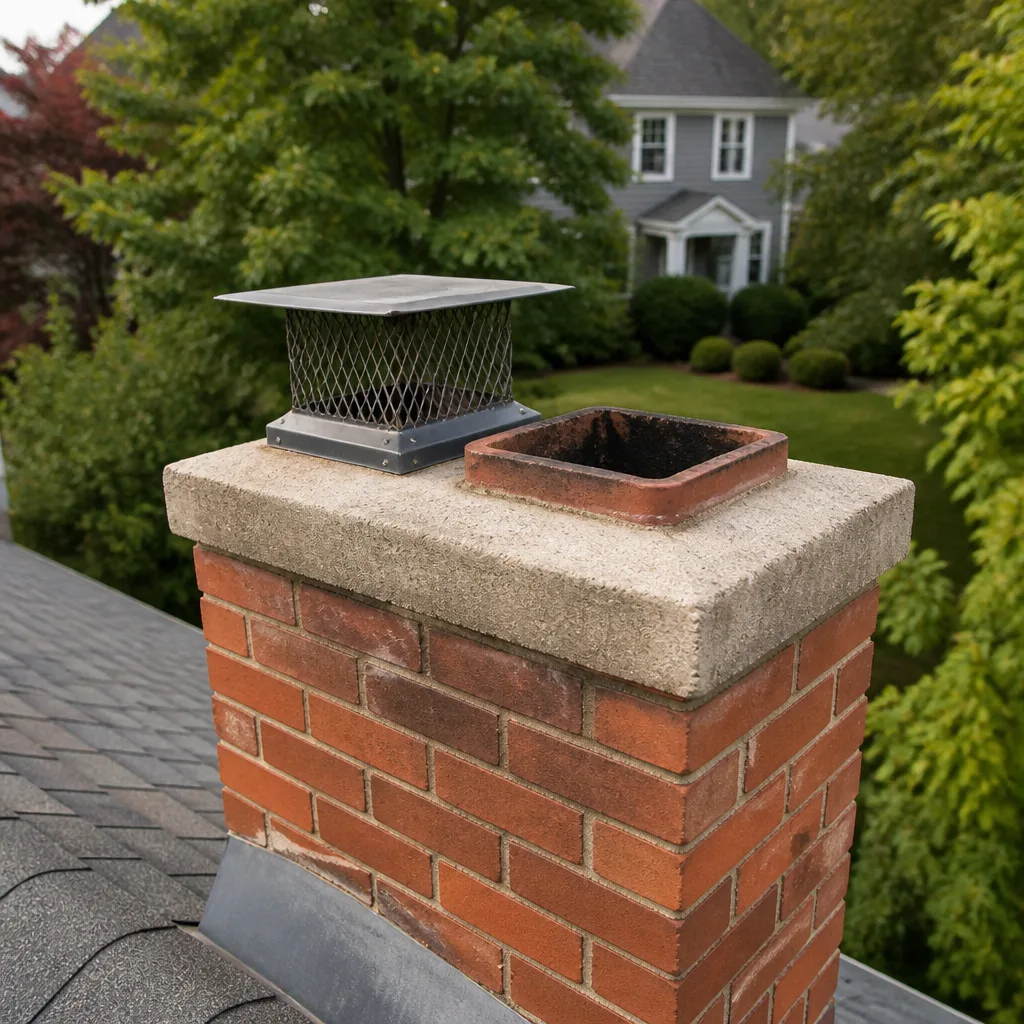
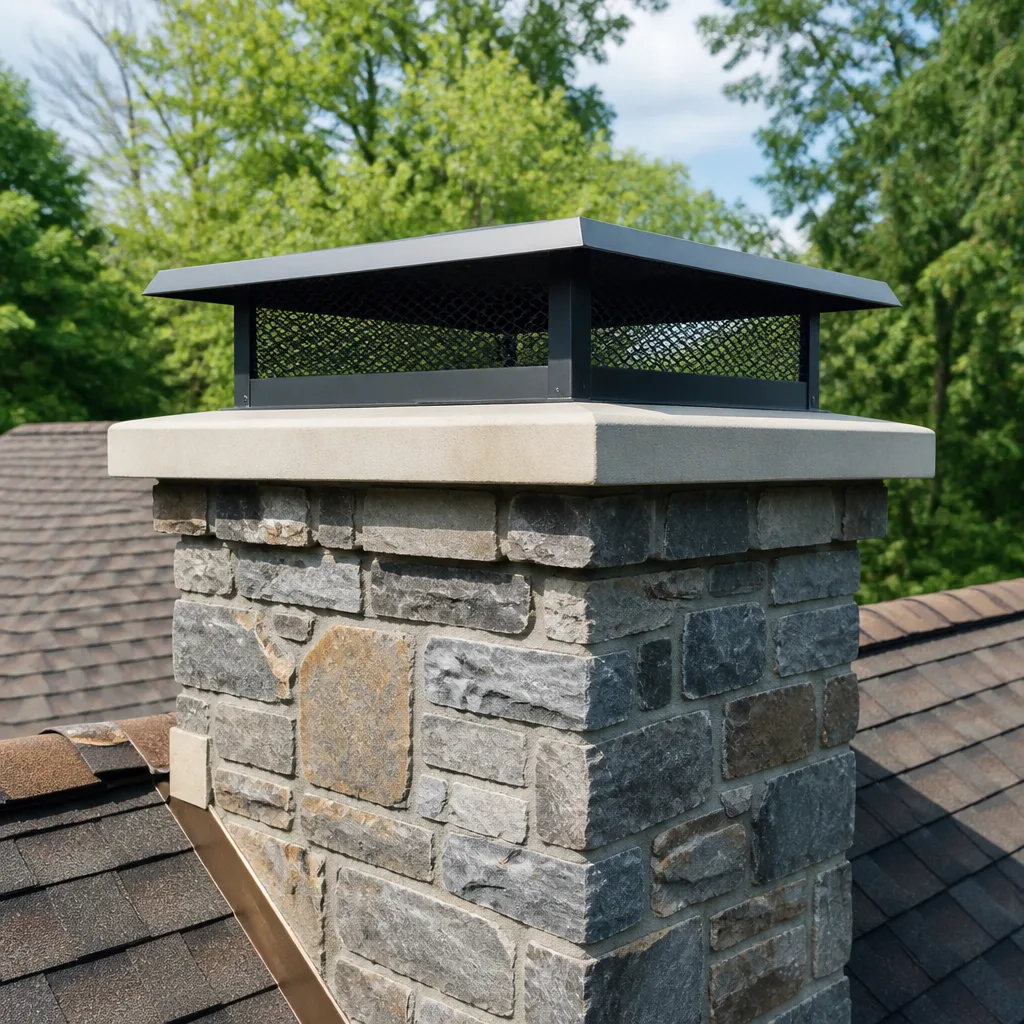
- Inspect the cap and spark arrestor. Winter storms and ice can loosen or bend a cap. A cap that’s out of position lets water and animals into the flue.
- Check the flashing. The metal flashing where the chimney meets the roof is a common leak point. Winter freeze-thaw opens seams, and spring rain finds them.
- Evaluate the chimney crown. The crown is the concrete cap at the top of the masonry. Small cracks widen with summer heat and let moisture into the structure. Catch them in spring and they’re a minor repair. Miss them for a season or two and you’re looking at masonry work.
- Look at the masonry joints. Spalling brick and crumbling mortar are the early signs of water damage. Spring is the right time to evaluate whether repointing is needed.
- Sweep if you burned heavily. If you used the fireplace hard all winter, a post-season sweep clears the creosote before summer humidity turns it into something harder to remove.
- Confirm the damper closes fully. A damper that stays partly open lets conditioned air escape all summer and lets humid air into the flue.
The spring inspection is also the right time to think about the flue from the inside. A camera inspection gives you a documented picture of the liner, and in older Louisville homes that’s worth doing every few years, whether or not there’s an obvious problem.
How Chimney Age Changes Your Schedule
Two houses side by side can need completely different maintenance rhythms depending on when they were built. Louisville has a lot of older housing stock, and that shapes the schedule.
Pre-1980 Masonry Chimneys
Many chimneys built before 1980 were constructed with terra cotta flue tiles and, in some cases, no liner at all beyond the masonry itself. Terra cotta is durable but brittle – it cracks under thermal stress, and those cracks open paths for heat and creosote to reach combustible framing. These chimneys need:
- Annual cleaning and inspection, without exception.
- A camera inspection every three to five years to check the flue interior for cracked or missing tiles.
- Closer attention to crown and flashing condition, since older masonry is more likely to have water paths.
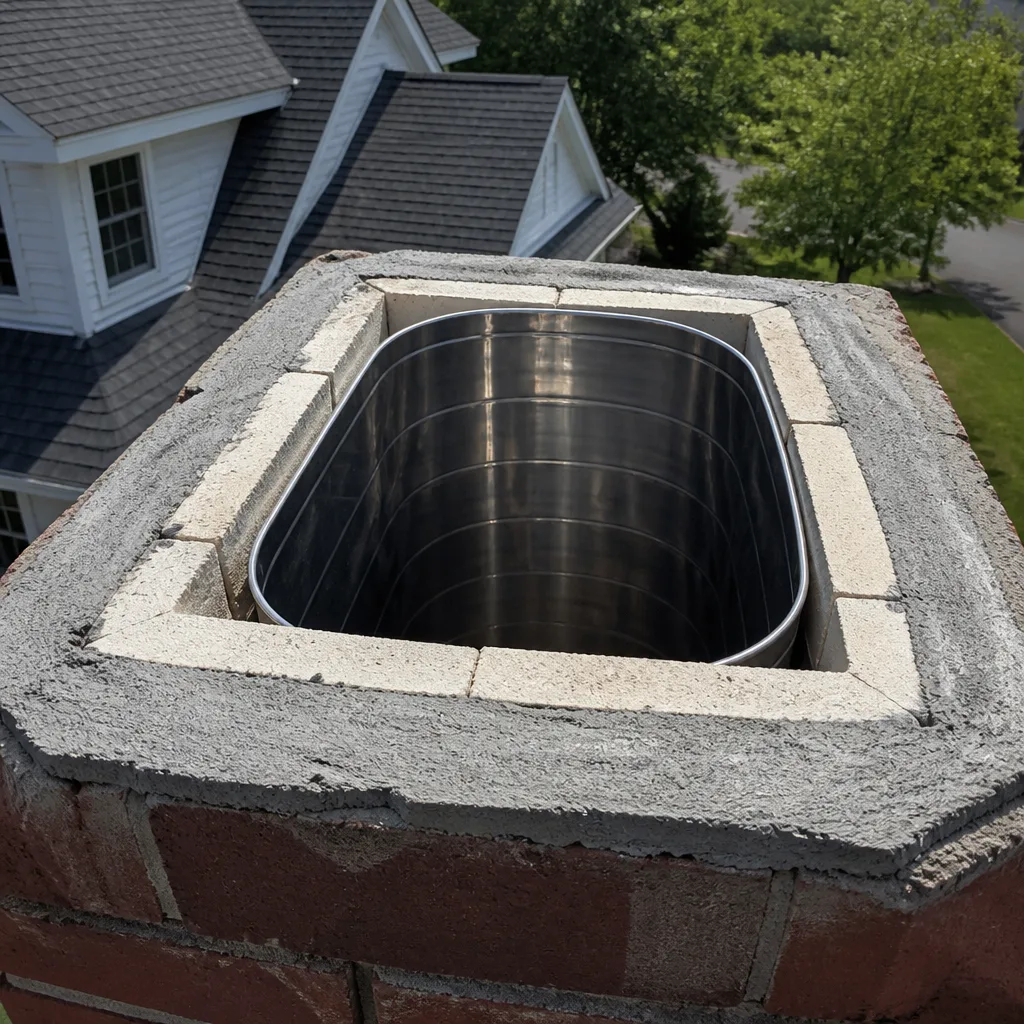
- A candid conversation about relining if the tiles are compromised. A DuraFlex stainless liner is the standard fix for a deteriorated flue.
Modern Stainless Liner Systems
A chimney with a properly installed stainless liner is a different animal. The liner protects the masonry from heat and condensate, and it’s easier to inspect and clean. The schedule is still annual, but the depth of inspection is lighter – and if the liner was installed recently, you can usually go longer between camera inspections as long as the annual visual inspection comes back clean.
If you’re not sure which category your chimney falls into, that’s worth answering before the next heating season. A quick inspection tells you whether you’re maintaining a lined flue or watching an unlined one. If it turns out to be the latter, we can reline it with a DuraFlex system and you’ll know exactly what you’re maintaining going forward.
What to Track Between Professional Visits
Between sweeps, you’re the one closest to how the chimney is actually behaving. A little record-keeping gives your technician real data to work with and catches developing problems early.
Here’s what’s worth writing down:
- Burn time. Roughly how many hours, or how many cords or face cords, you’ve burned since the last sweep. This is the single most useful number for setting the next interval.
- Smoke smell. If you smell smoke in the house when the fireplace is running, or notice a smoky odor on warm days when the fireplace is off, that’s a draft or blockage signal worth mentioning.
- Draft performance changes. A fire that used to light easily and now smokes back into the room, or a flame that’s slower to establish, points to a draft issue.
- Visible creosote at the damper. A quick look up the firebox with a flashlight can reveal a shiny, tar-like buildup – that’s stage two or three creosote, and it’s a signal to call before the next scheduled visit.
- Water or staining. Any water stain on the chimney breast or ceiling near it is a flashing or crown problem until proven otherwise.
- Animal or debris signs. Nesting material, soot dropping into the firebox, or a cap that’s been displaced.
A simple notebook or a note on your phone works. The point isn’t precision – it’s having something specific to tell the technician when they arrive, so the inspection starts focused instead of cold.
Month-by-Month Maintenance Calendar
This is the calendar we’d hand a Louisville homeowner who wants a schedule to work from. It’s built around the local heating season, the post-season damage window, and the specific demands of each fuel type.
- March-April (end of heating season): Post-season inspection. Check cap, flashing, crown, and masonry joints. Sweep if you burned heavily. Note total burn time for the season.
- May-June (early summer): Address any repairs found in spring – crown cracks, repointing, cap replacement. Get ahead of summer humidity before it drives water deeper into masonry.
- July-August (mid-summer): Book your pre-season sweep. This is the quiet window. If you have an older unlined masonry chimney, this is also the right time to schedule a camera inspection.
- September (pre-season): Complete the sweep and any repairs. Test the damper and do a small test fire to confirm draft before the first real cold snap.
- October-November (early heating season): Normal burning. Watch for smoke smell and draft changes. If you’re a heavy burner, mid-season inspection comes next month or so.
- December-February (peak heating season): Heavy burners should schedule a mid-season inspection. Everyone else should keep an eye on the firebox and damper for visible creosote.
- Back to March: The cycle restarts with the post-season checklist.
If you run a gas insert or a pellet stove, the calendar is simpler – one annual service, ideally in late summer or early fall – but the inspection is just as important. Gas and pellet appliances fail quietly, and an annual look catches the problems before they become expensive.
Common Mistakes to Avoid
- Assuming the annual sweep is enough when you burn two cords or more. The annual rule assumes average use. Heavy burners need a mid-season inspection, and skipping it is exactly how stage-three creosote accumulates. If you’re burning through the winter, add the mid-winter visit.
- Waiting until the first cold snap to call. Late October in Louisville is the worst time to need an appointment. Schedules fill fast across Jefferson County. Book in August or September and you’ll actually get the slot you want.
- Skipping the gas insert because it “burns clean.” Gas produces water vapor and acidic condensate that can corrode a metal liner from the inside. Annual inspection catches that early, before it becomes a reline.
- Ignoring the crown and flashing in spring. Small cracks in the chimney crown and seams in the flashing open up with summer heat and let water into the masonry. Catching them in spring is a minor repair; catching them two seasons later is masonry work.
- Assuming a swept chimney is a safe chimney. A sweep cleans the flue. It doesn’t inspect the cap, crown, liner integrity, or smoke chamber unless the technician does a full inspection. Ask for the inspection, not just the brush.
- Burning damp or unseasoned wood to save money. Damp wood burns cooler, produces more creosote, and drives up the frequency of everything else on this schedule. Seasoned wood is the cheapest maintenance decision on the list.
- Treating a smoke smell as “normal.” Smoke in the house during a fire, or a smoky odor on warm days when the fireplace is off, points to a draft or blockage problem. It’s worth a call, not a shrug.
See the difference
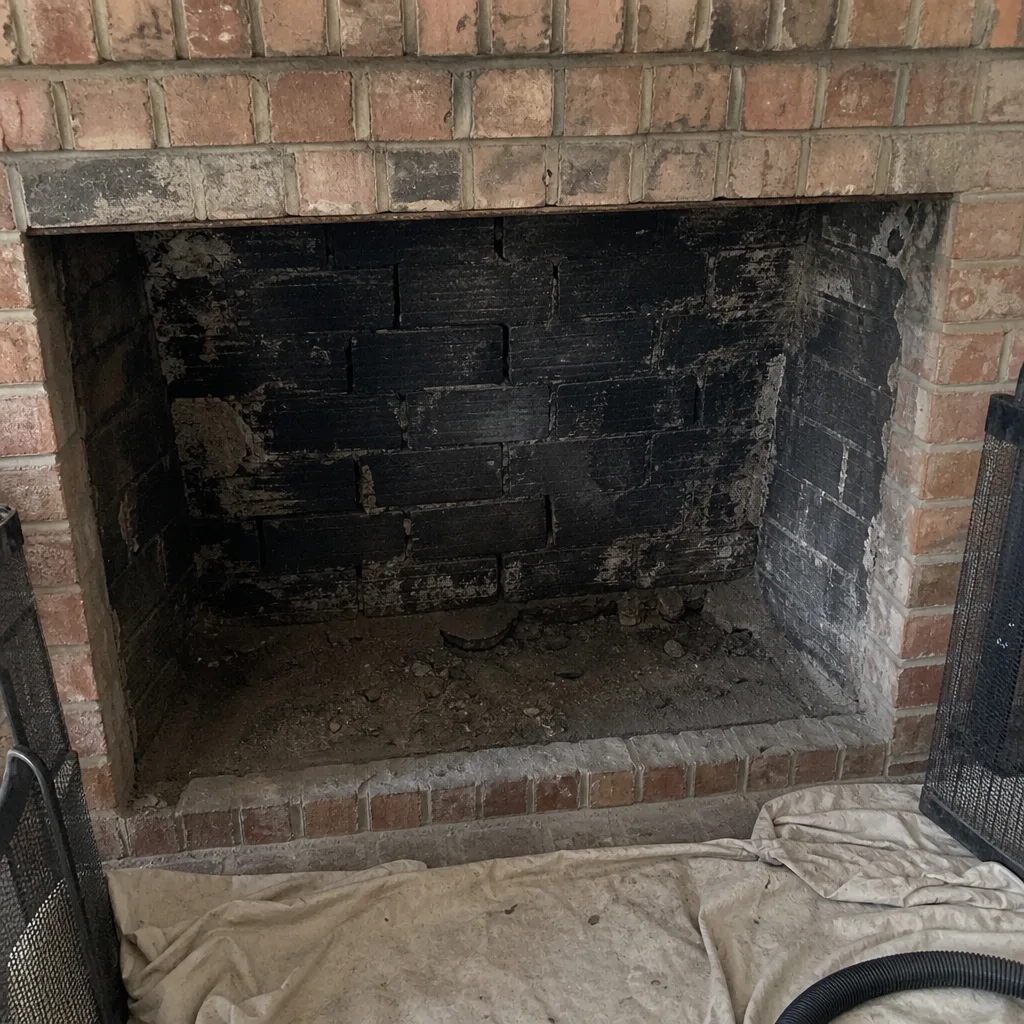 Before
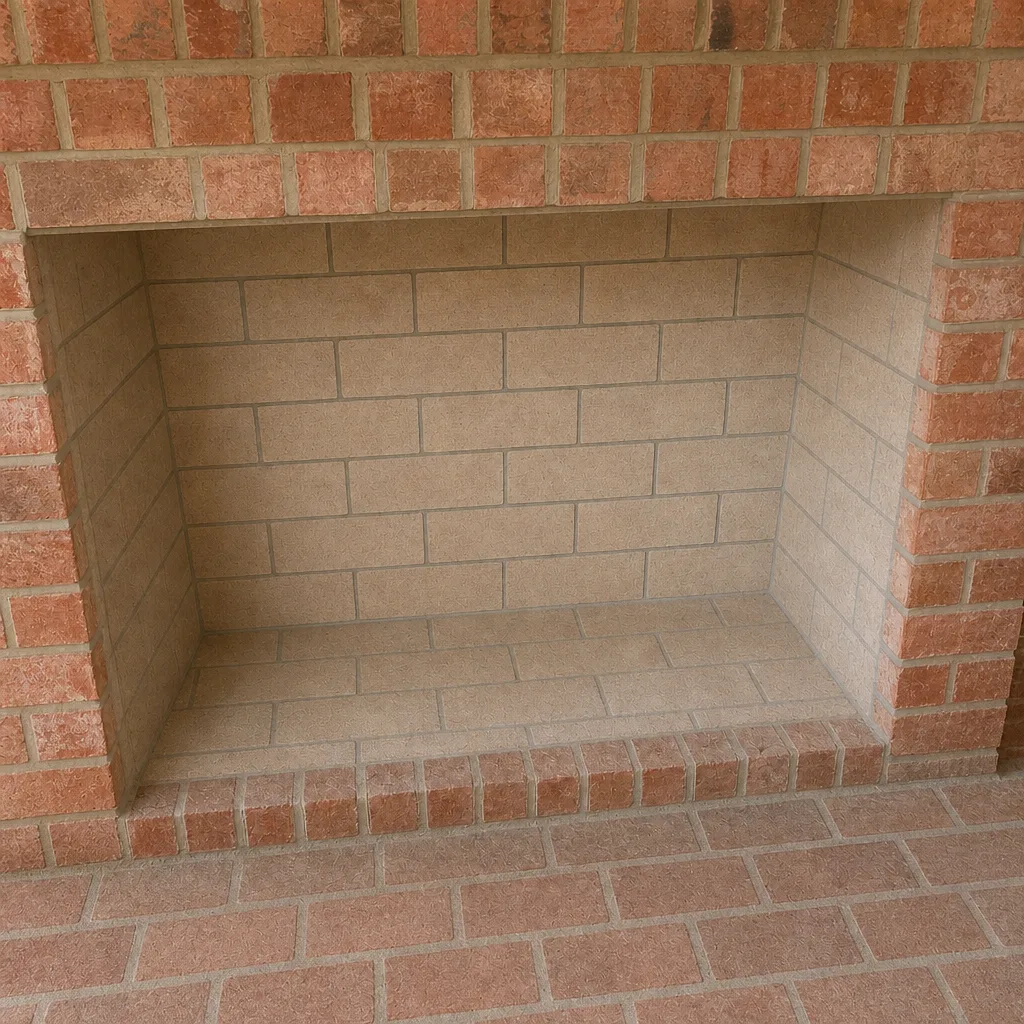 After
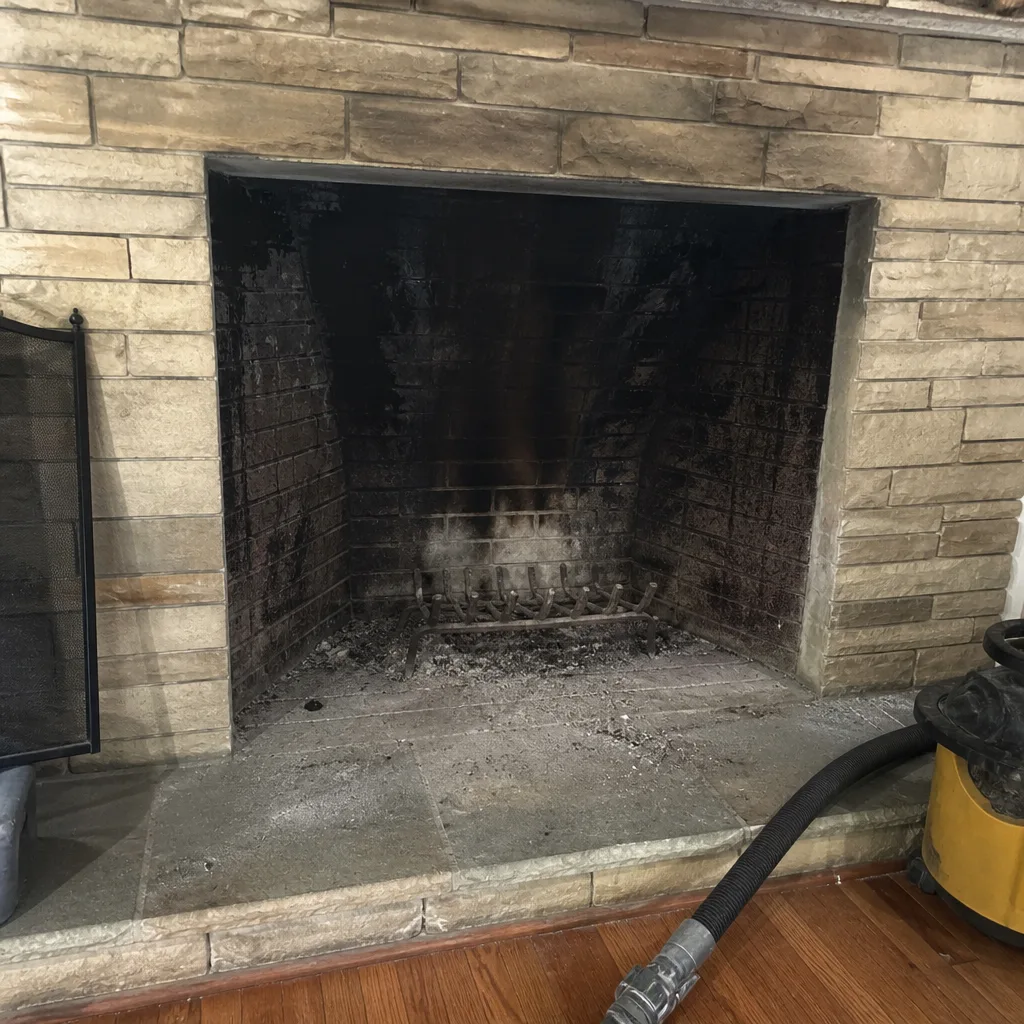 Before
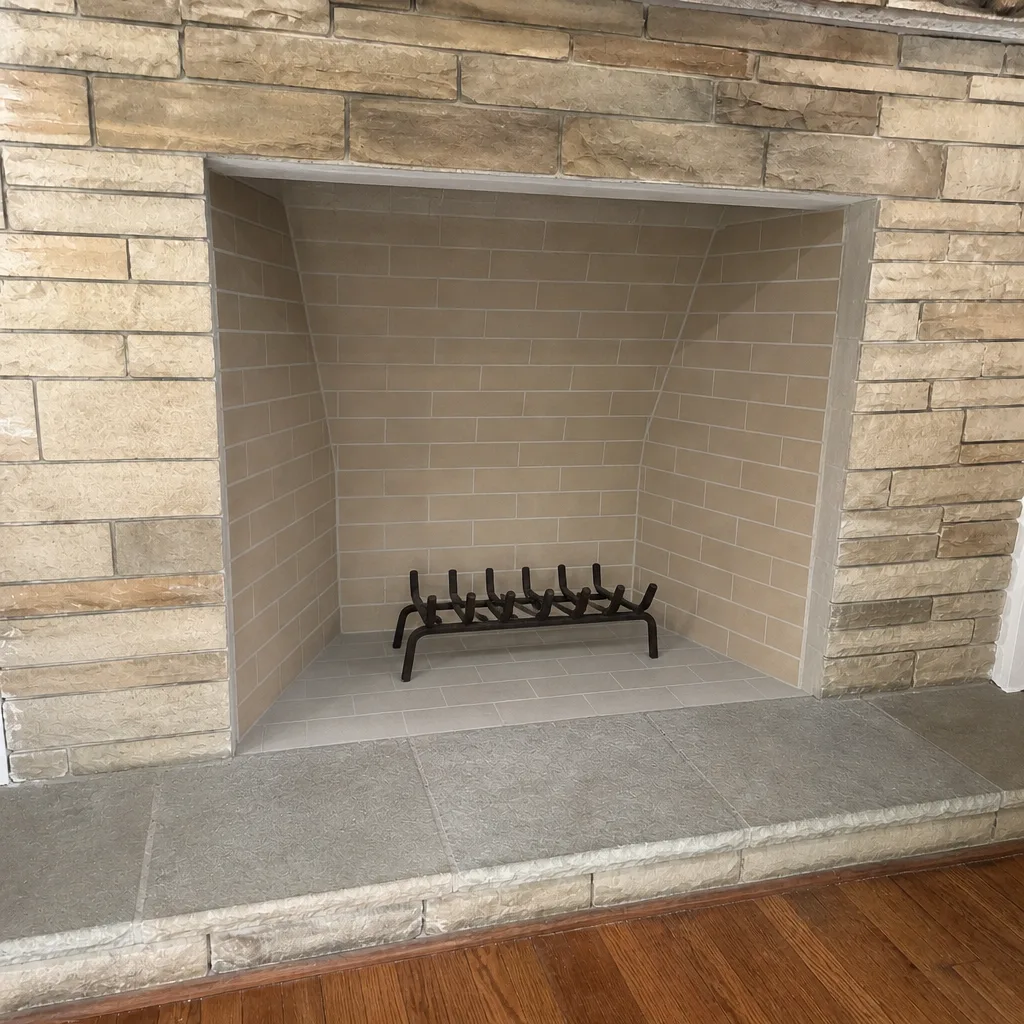 After
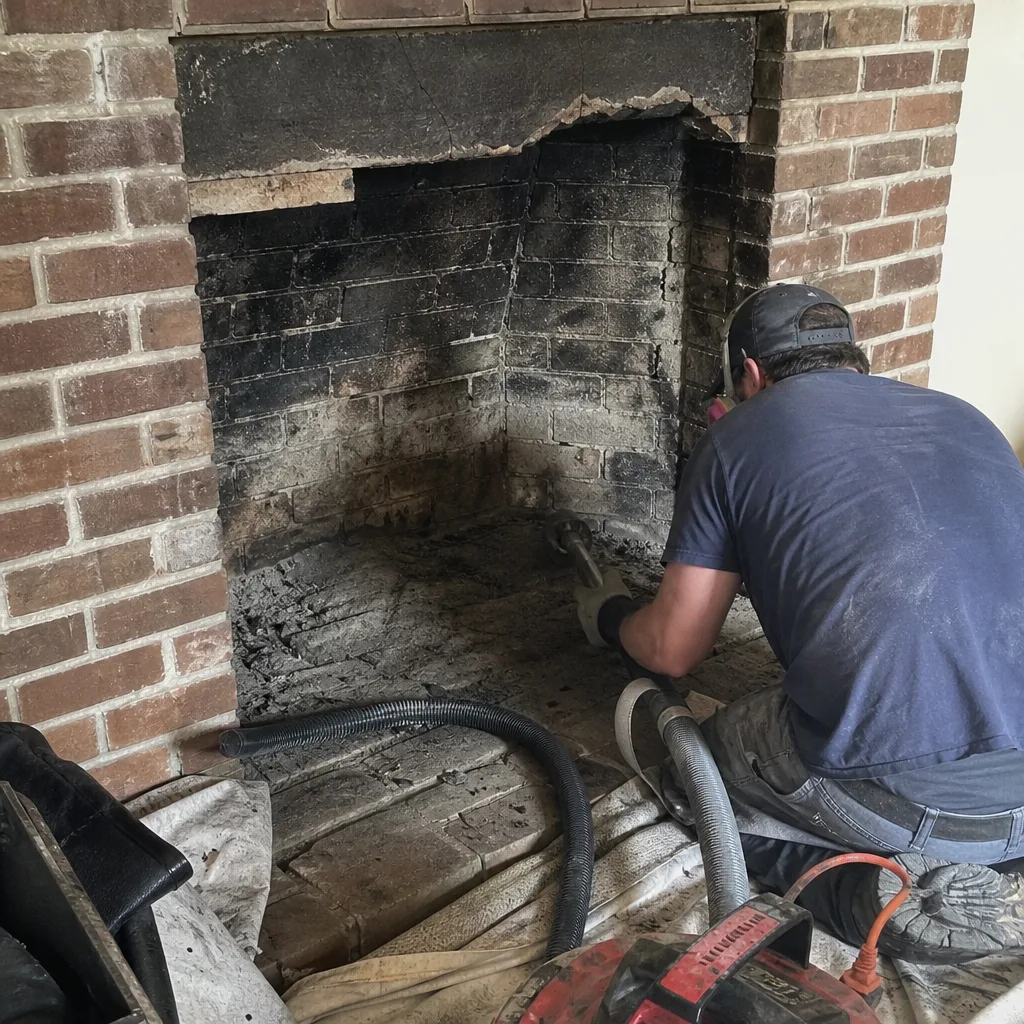 Before
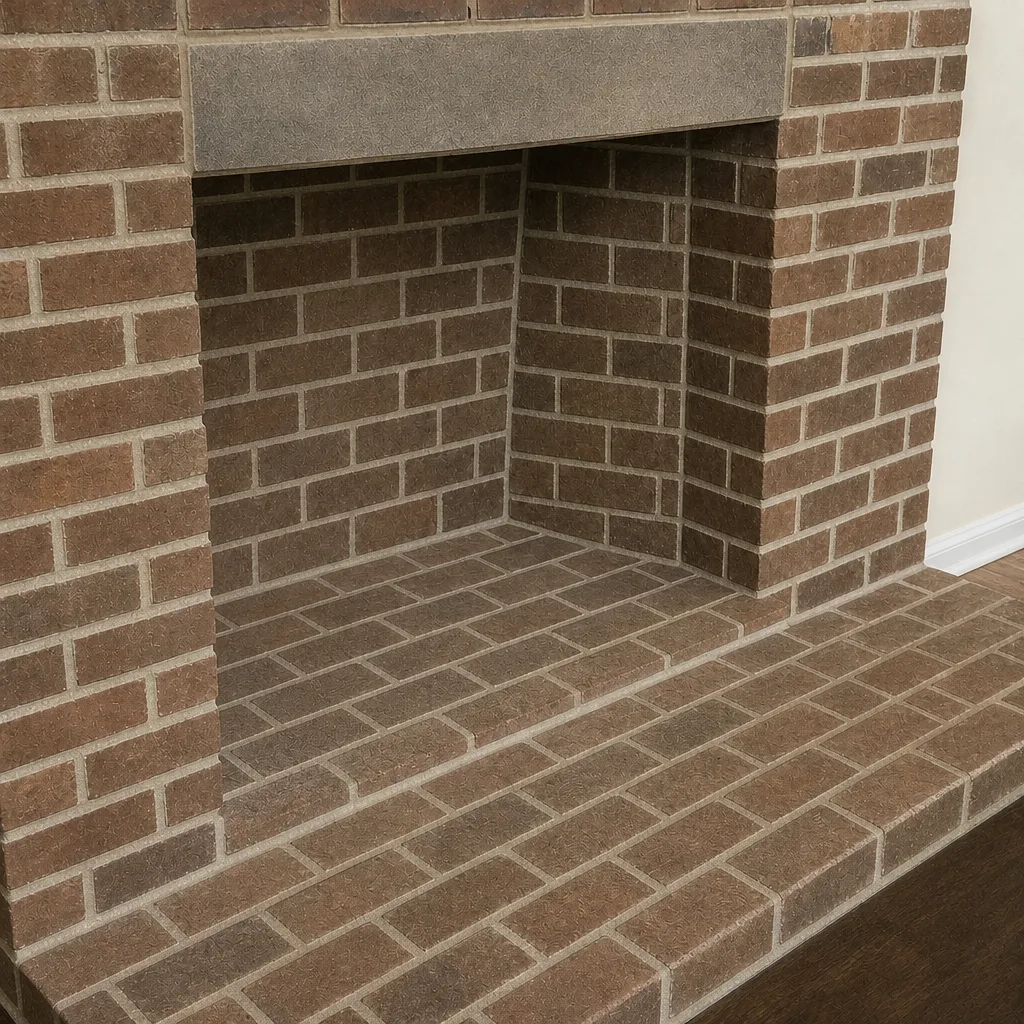 After
When to Call a Professional
Some maintenance you can schedule at leisure. Some problems need attention before the next fire. Call a professional if you notice any of the following:
- Smoke backing into the room when the fireplace is running.
- A strong smoky odor inside the house on warm days when the fireplace is off.
- Visible shiny, tar-like creosote at the damper or in the firebox.
- Water stains on the chimney breast or ceiling near the chimney.
- A cap that’s bent, missing, or displaced.
- A fire that used to draft well and now struggles.
If you’re not sure whether what you’re seeing is a problem, that’s a good reason to call too. A free estimate and a proper look costs nothing and settles the question. Louisville Chimney Cleaning offers free estimates in Louisville – call (844) 560-6386. We answer 24/7. Fast dispatch from 7am to 7pm, Sunday through Friday.
One more thing worth saying: if a cleaning turns up a problem, we don’t hand you off to a second contractor. Cleaning and repair happen in the same visit, and the work gets done to a documented standard – HeatShield for resurfacing, DuraFlex for relining, Gelco and Olympia Chimney for caps and venting hardware that hold up in Louisville’s climate. You get one accountable visit, not a chain of appointments.
Frequently Asked Questions
Most wood-burning chimneys in Louisville should be cleaned once a year, and more often if you burn more than a cord or two per season. Heavy burners should add a mid-season inspection in January or February and a second sweep in spring. Gas and pellet appliances need an annual inspection even when they look clean, because moisture and ash deposits cause damage that isn’t visible from the firebox. Call (844) 560-6386 for an exact quote on your chimney – estimates are free.
The best time is August or September, before the heating season starts and before the fall demand surge hits Jefferson County. Scheduling before October means you’re more likely to get the appointment you want, and any repairs a cleaning turns up can be completed before the first cold snap. Waiting until the first cold week of October is exactly when everyone else calls too, and schedules fill fast. Call (844) 560-6386 to book a pre-season visit.
A sweep cleans the flue. An inspection checks the whole chimney system – firebox, damper, smoke chamber, flue, liner, cap, crown, and flashing. The two aren’t the same thing, and a cleaned chimney can still have a cracked liner or a damaged crown. Ask for the inspection as part of the visit. If you’re not sure which you’ve been getting, call (844) 560-6386 and we’ll tell you what your chimney needs.
At that level of use, once a year is generally enough, as long as the wood is properly seasoned. The variables that shorten the interval are burn volume, wood moisture content, and the age of the chimney. A pre-1980 unlined masonry chimney needs closer attention than a modern stainless-lined one. If you’re not sure which you have, an inspection in late summer answers the question before the heating season begins. Call (844) 560-6386 for a free estimate.
Yes. Gas combustion produces water vapor, and in a vented gas appliance that vapor can condense on the flue wall and combine with sulfur compounds from the fuel to form acidic deposits that attack metal liners and masonry mortar. A gas flue can look clear at the top and be corroding at the bottom. Annual inspection catches it before it becomes a reline. Call (844) 560-6386 to schedule yours.
Have your burn log ready – roughly how many cords or hours you’ve burned since the last sweep – and note any smoke smell, draft changes, or water staining you’ve noticed. Clear the area around the fireplace and make sure the damper is accessible. Those notes let the technician focus the inspection on the right areas. If you don’t have a log, that’s fine too. Call (844) 560-6386 and we’ll walk through what the visit includes.
It does, and it’s worth pairing with your annual chimney visit. A clogged dryer vent is one of the leading household ignition risks, and it uses the same combustion-safety framework as chimney work. Adding dryer vent cleaning to the same appointment keeps both venting systems on the same maintenance rhythm. Call (844) 560-6386 for a free estimate.
The Bottom Line
The annual sweep is the floor, not the ceiling. Wood burners should match their interval to their burn volume – under a cord, one sweep; two cords or more, a mid-season inspection and a spring sweep on top of the fall visit. Gas and pellet appliances need annual inspection regardless of visible cleanliness. Louisville homeowners should schedule in August or September, not October, and should use spring to catch cap, flashing, and crown damage before summer humidity makes it worse. Track your burn time and note smoke and draft changes between visits. If you want a schedule that actually fits your chimney, and one company that can clean and repair it in the same visit, Louisville Chimney Cleaning is here to help.
Call (844) 560-6386 for a free estimate. We answer 24/7. Fast dispatch from 7am to 7pm, Sunday through Friday. Our technicians have up to 13 years of experience, and we work with professional-grade materials from DuraFlex, HeatShield, Gelco, Olympia Chimney, Famco, and Copperfield – so cleaning, repair, and relining don’t require a second company.
Written by the team at Louisville Chimney Cleaning.